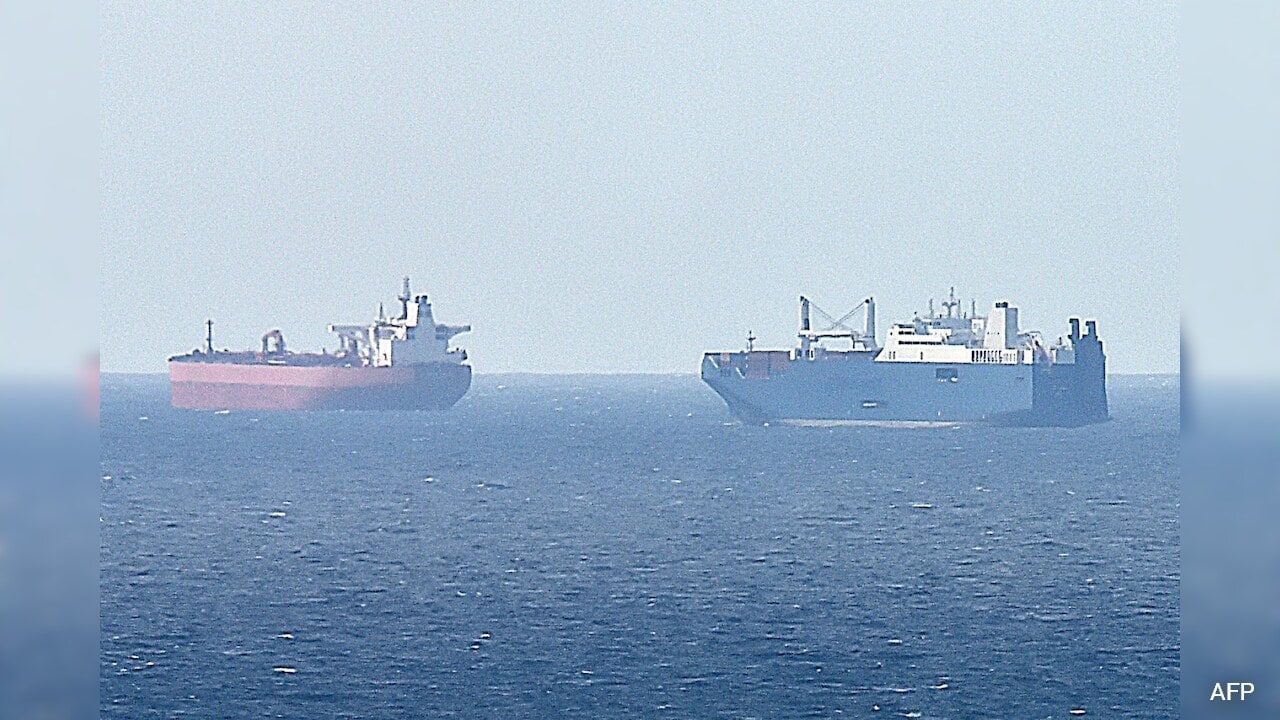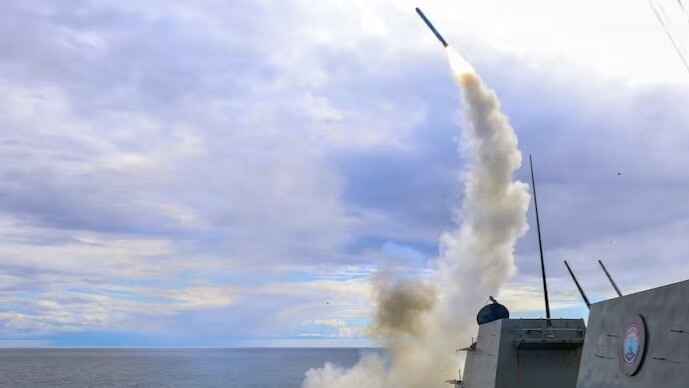
The United States carried out fresh air strikes against Iran just hours after President Donald Trump announced the interim peace agreement with Tehran was "over." The operation aims to diminish Iran's capacity to threaten navigation in the strategic Strait of Hormuz.
The United States executed a fresh wave of air strikes against Iran on Thursday, mere hours after President Donald Trump declared the interim peace deal with Tehran "over." The U.S. Central Command (CENTCOM) confirmed on its X account that the operation, directed by the Commander‑in‑Chief, is intended to further degrade Iran's ability to threaten freedom of navigation in the Strait of Hormuz.
Strategic Rationale Behind the Operation
The Strait of Hormuz, a chokepoint that carries roughly a fifth of the world’s petroleum shipments, is a focal point of U.S. security policy. By targeting Iranian air defenses and missile sites, CENTCOM aims to curtail any potential Iranian attacks on commercial vessels traversing this waterway. "The United States is holding Iran accountable for recent unjustified aggression against commercial shipping and civilian crews," the command said.
Iranian Response and Regional Tensions
Iran's Mehr News Agency reported explosions near Konarak, Chabahar, Bandar Abbas, and Busher provinces, with Iranian air defenses engaging "hostile targets" near Bandar Abbas. The state‑run Mizan News Agency also noted explosions heard in Sirik, while IRNA reported localized power cuts in Chabahar following the blasts.
Trump's Warning and Future Signals
Speaking at the NATO summit in Turkey before meeting Ukrainian President Volodymyr Zelenskyy, Trump warned that "we're going to hit them hard tonight," signaling further military action. Earlier, he had cautioned that Washington would launch additional strikes, underscoring a hard‑line stance toward Tehran.
Potential Escalation and Global Implications
According to a military source cited by Iran's Nournews, the Iranian armed forces are preparing a "massive" retaliatory attack on U.S. bases in the region. If diplomatic channels remain closed, the conflict could expand, jeopardizing energy supplies, inflating oil prices, and destabilizing the broader Middle‑East security architecture.
Analysts warn that without a swift diplomatic de‑escalation, the United States and Iran risk entering a prolonged cycle of retaliation that would reverberate through global markets and undermine existing security frameworks.