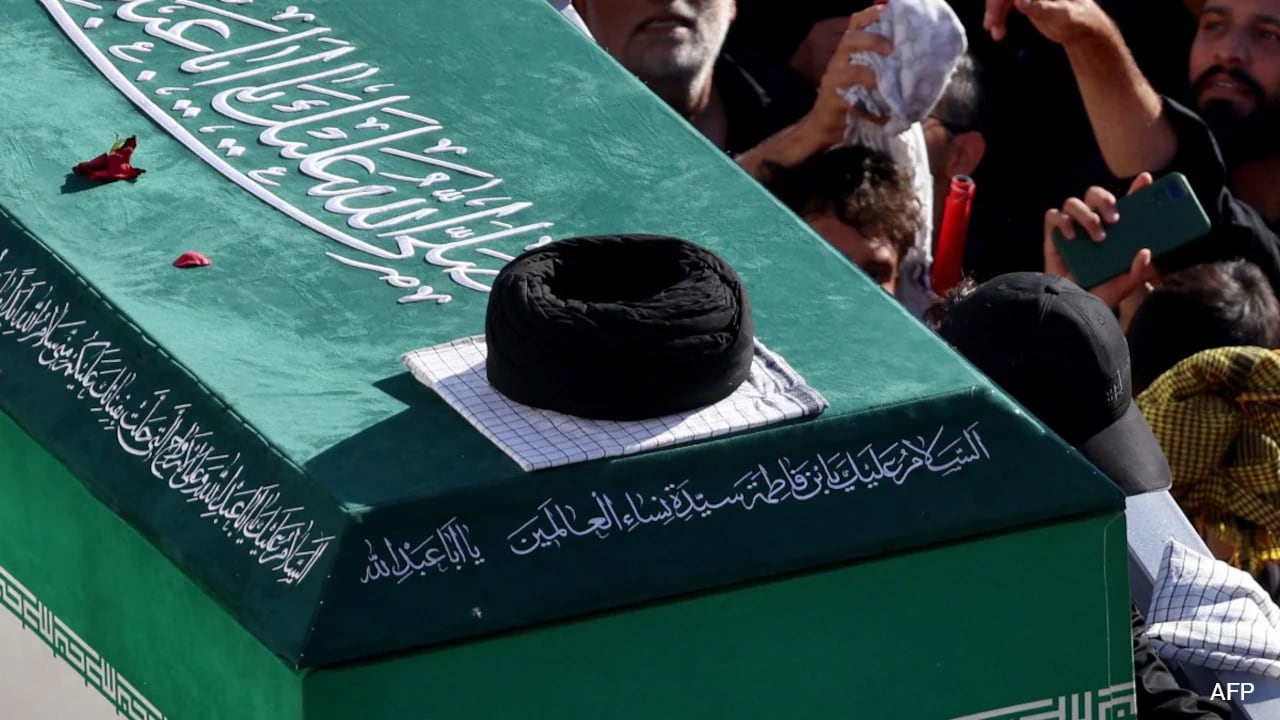
Former Iranian Supreme Leader Ali Khamenei was laid to rest in his hometown of Mashhad. The burial occurs amidst a volatile geopolitical climate and glaring questions regarding the legitimacy of his successor.
Former Iranian Supreme Leader Ali Khamenei was buried on Friday in his home city of Mashhad, eastern Iran. According to state television reports, the funeral ceremony was conducted with full honors, yet it was overshadowed by a critical omission: the absence of his son and presumed successor. This absence has sparked intense speculation regarding the internal stability of the Islamic Republic's leadership hierarchy.
The Vacuum of Power and Succession Crisis
In the complex political structure of Iran, the Supreme Leader wields ultimate authority over the military, judiciary, and foreign policy. The fact that the designated successor was not seen during the final rites suggests a potential rift within the ruling elite or a strategic hesitation. This perceived instability comes at a time when the regime requires a unified front to maintain domestic control and project strength abroad.
Heightened Conflict with the United States
The burial takes place against a backdrop of renewed and intensified fighting between the United States and Iran. From cyber warfare to proxy engagements in the Middle East, the friction between Washington and Tehran has reached a boiling point. The U.S. continues to maintain a policy of 'maximum pressure' through sanctions, while Iran continues to challenge Western influence in the region. A transition of power during such a volatile period increases the risk of miscalculation by either side, potentially leading to a full-scale military confrontation.
Historical Legacy and Global Implications
Ali Khamenei's tenure was defined by a defiant stance against Western hegemony and the expansion of Iran's 'Axis of Resistance.' His leadership shaped the modern geopolitical landscape of the Middle East. The world now watches closely to see if the successor will maintain this hardline approach or pivot toward a diplomatic thaw to alleviate the crushing economic burden of sanctions.
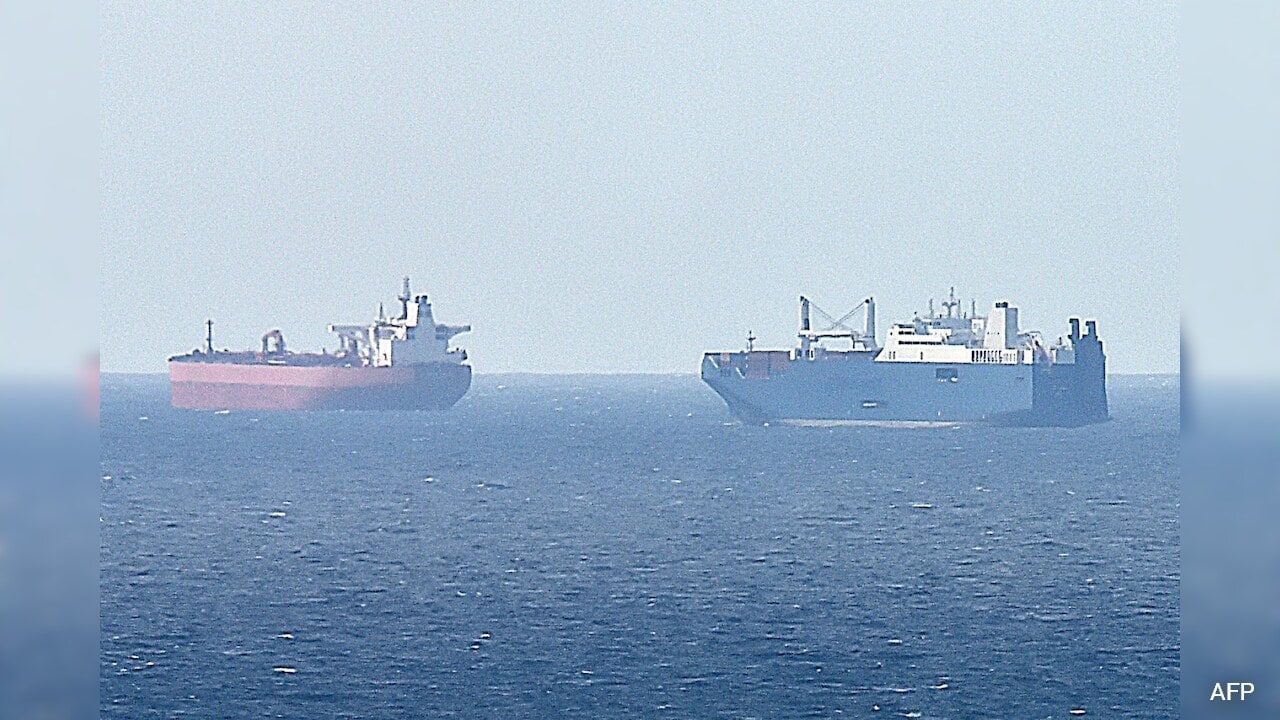
Furthermore, any instability in Tehran could lead to unpredictable fluctuations in global oil markets. Given Iran's strategic position overlooking the Strait of Hormuz, a leadership crisis could jeopardize the flow of energy to Asia and Europe, making this domestic transition a matter of global economic security.