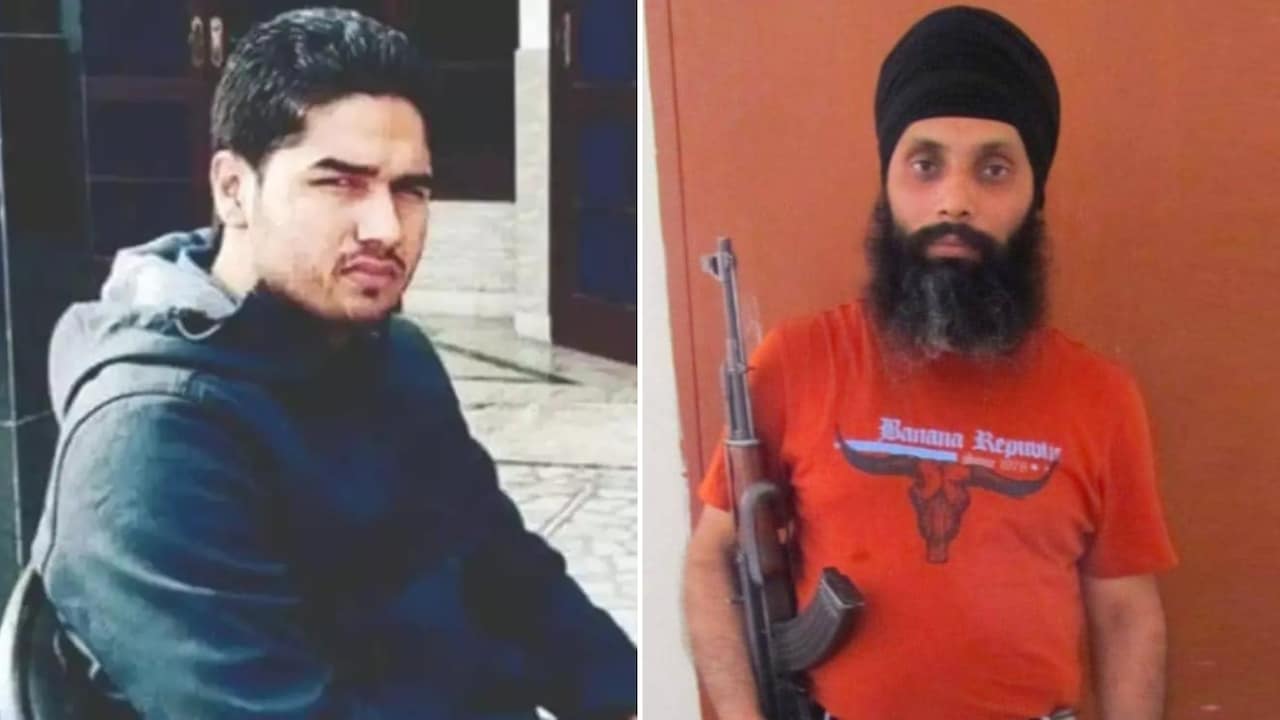
A newly filed chargesheet shows that Khalistani terrorist Nijjar coaxed gang member Arsh Dalla to escape India and seek refuge in Canada. Dalla was later placed on India's terrorist list, intensifying the diplomatic strain between India and Canada.
A comprehensive chargesheet lodged in July 2024 uncovers that Nijjar, the Khalistani extremist killed outside a gurdwara in Surrey, British Columbia in June 2023, had actively encouraged his associate Arsh Dalla to flee India for Canada. The revelation adds a new layer to the already volatile India‑Canada relationship, underscoring the transnational dimensions of the Khalistan movement.
Background: Khalistan Movement and Nijjar's Role
The Khalistan separatist cause emerged in the 1980s, demanding an independent Sikh homeland in Punjab. Nijjar was among the most radical elements, repeatedly flagged by Indian intelligence for alleged involvement in violent plots. His 2023 assassination outside a Surrey gurdwara, widely attributed to Indian security operatives, reignited global scrutiny of the movement.
Who Is Arsh Dalla? From Local Gangster to International Fugitive
Before his alleged link to the Khalistani cause, Dalla was known as a regional gangster with a record of extortion and weapons trafficking. According to the chargesheet, Nijjar persuaded Dalla to relocate to Canada in 2022 to evade mounting pressure from Indian agencies. Once in Surrey, Dalla reportedly connected with diaspora groups sympathetic to the Khalistan agenda, further blurring the line between organized crime and political militancy.
India Designates Dalla as a Terrorist
After extensive surveillance, Indian authorities placed Dalla on the official terrorist watchlist in mid‑2024, freezing his assets and restricting international travel. While Canada has not yet formally labeled him a terrorist, the designation has heightened diplomatic friction, with New Delhi demanding extradition and Ottawa insisting on due‑process protections.
Implications for India‑Canada Relations
The case arrives at a time when bilateral ties are already strained over alleged safe‑havens for Khalistani activists in Canada. New Delhi accuses Ottawa of turning a blind eye to anti‑India elements, while Canada warns against conflating legitimate political dissent with terrorism. Dalla’s terrorist listing could become a flashpoint, testing existing intelligence‑sharing agreements and diplomatic channels.
Looking Ahead: Security, Diplomacy, and the Global Terror Landscape
Beyond the immediate legal battles, the Nijjar‑Dalla saga illustrates how separatist movements can intertwine with organized crime, creating complex challenges for counter‑terrorism strategies worldwide. If unresolved, the episode may set a precedent for how democratic nations navigate the fine line between protecting free speech and curbing transnational militancy.