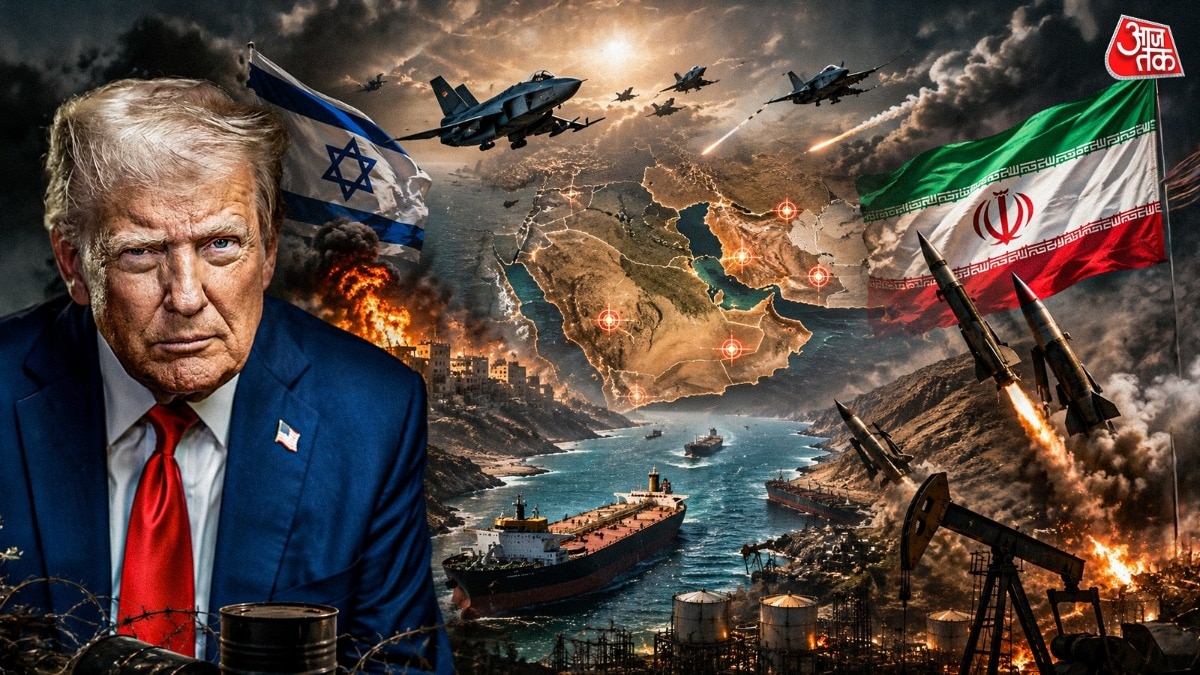
Powerful explosions have been reported across Iran's southern coast, targeting naval and military sites. As tensions escalate, US President Donald Trump and Israeli PM Benjamin Netanyahu held high-level talks to coordinate regional security.
A series of massive explosions has rocked the strategic coastal regions of Iran, specifically targeting areas near Bushehr, Konarak, and Bandar Abbas. The detonations, which have sent shockwaves through the Middle East, appear to have targeted critical military infrastructure, including Iranian Navy installations in Konarak. While local reports suggest heavy damage, the geopolitical implications are sending ripples through global energy markets.
Conflicting Reports on Military Aggression
The situation on the ground remains fluid and shrouded in conflicting narratives. Iranian news agency Mehr reported multiple blasts across southern provinces, suggesting direct strikes on military assets. Conversely, the official Iranian news agency IRNA attributed the sounds of explosions to the activation of air defense systems responding to incoming threats. Adding to the complexity, international outlets like CNN have noted that the United States has officially denied launching any new wave of strikes, even as the regional conflict intensifies.
The Trump-Netanyahu Axis: Coordinating a Response
Amidst the chaos, a critical diplomatic development occurred as US President Donald Trump and Israeli Prime Minister Benjamin Netanyahu engaged in a high-stakes telephone conversation. According to the Israeli Prime Minister's Office, the two leaders discussed maintaining continuous coordination regarding regional security. Netanyahu reportedly briefed Trump on security concerns regarding Turkey's recent rhetoric and emphasized the necessity of a robust security zone along Israel's borders. This dialogue underscores the tightening alliance between Washington and Jerusalem in managing the Iranian threat.
Humanitarian Toll and Regional Instability
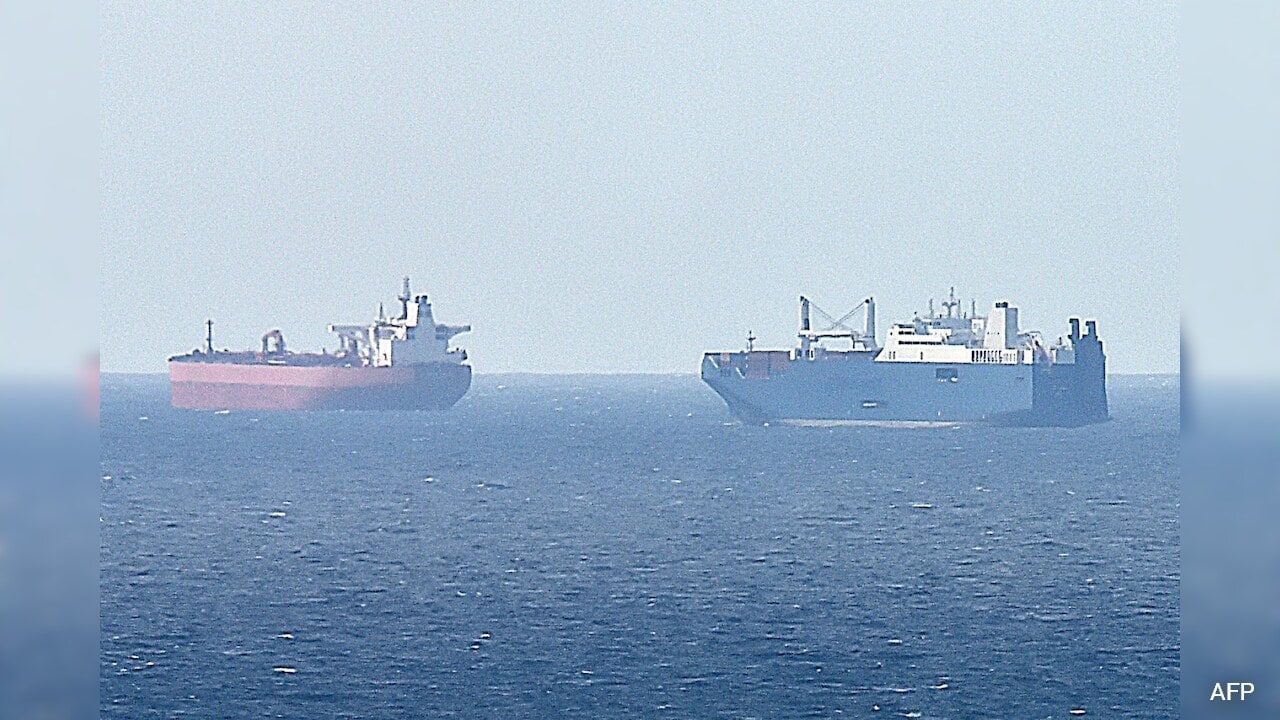
The escalating military campaign has already taken a heavy toll on human life and infrastructure. Reports indicate that at least 14 people have been killed and 78 injured in recent strikes. Beyond the casualties, the disruption of critical infrastructure—such as the broken rail link in Mashhad—threatens to cripple Iran's internal logistics. Following the attacks on commercial vessels in the Strait of Hormuz, the conflict has transitioned from a localized skirmish to a high-stakes confrontation that threatens global maritime security and oil supplies.