Germany has signed a deal to acquire US‑made Tomahawk cruise missiles, aiming to fill a critical long‑range strike gap. The agreement follows the NATO summit and signals a push for indigenous European missile development.
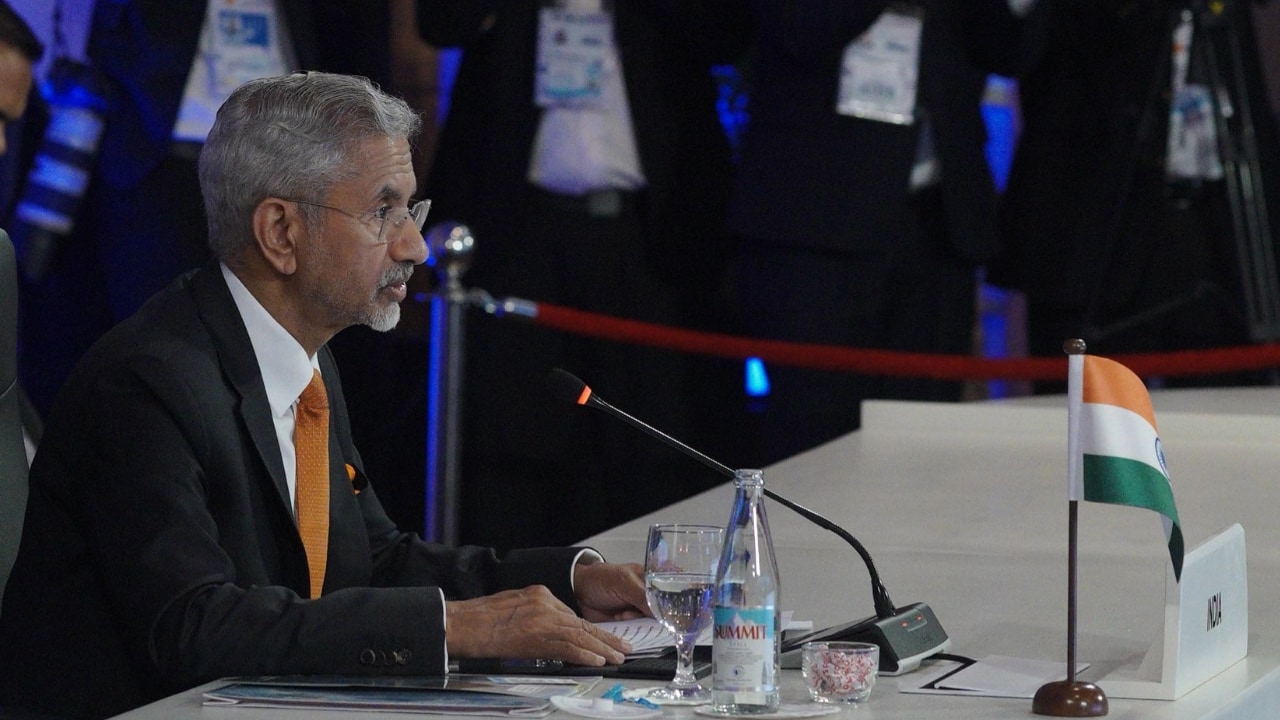
Germany announced a formal agreement to purchase US‑made Tomahawk cruise missiles, a statement made by Chancellor Friedrich Merz after returning from the NATO summit in Ankara. In a speech to parliament, Merz stressed that the missiles will close a major strategic gap in Germany’s defence architecture while supporting the deployment of home‑grown European systems.
NATO Summit and Strategic Context
During the two‑day NATO summit, European allies reaffirmed the need to reassess collective security after Russia’s full‑scale invasion of Ukraine in 2022. The United States signaled a willingness to share advanced weaponry with key partners, reinforcing the alliance’s deterrence posture. The Tomahawk deal emerged as a concrete outcome of that strategic dialogue.
Technical Profile of the Tomahawk
The Tomahawk cruise missile, a staple of the US arsenal since the 1980s, flies at roughly 30 metres above ground and can strike targets up to 1,600 km away. Its low‑altitude trajectory and precision guidance make detection by enemy air‑defence systems difficult, allowing deep‑strike capability against high‑value targets.
Germany’s Long‑Range Defence Strategy
Since 2023, successive German governments have pursued a procurement of long‑range strike weapons, but approval from Washington remained elusive. Under the new pact, Germany will receive an undisclosed number of Tomahawks along with compatible Typhoon launchers. Merz highlighted that this acquisition will be paired with a parallel effort to develop and station European‑built missile systems on the continent.
Implications and Future Outlook
The first approvals are expected in August, though exact quantities and deployment timelines have not been disclosed. Analysts argue that the deal will bolster NATO’s collective deterrence while potentially heightening tensions with Russia and China. Moreover, the move is likely to accelerate European defence industrial collaboration, encouraging indigenous innovation anchored by US technology.