In a significant gesture of cultural diplomacy, Australia has announced the return of three ancient Indian artefacts to India. This reciprocal agreement highlights a shared commitment to historical justice and strengthening bilateral bonds.
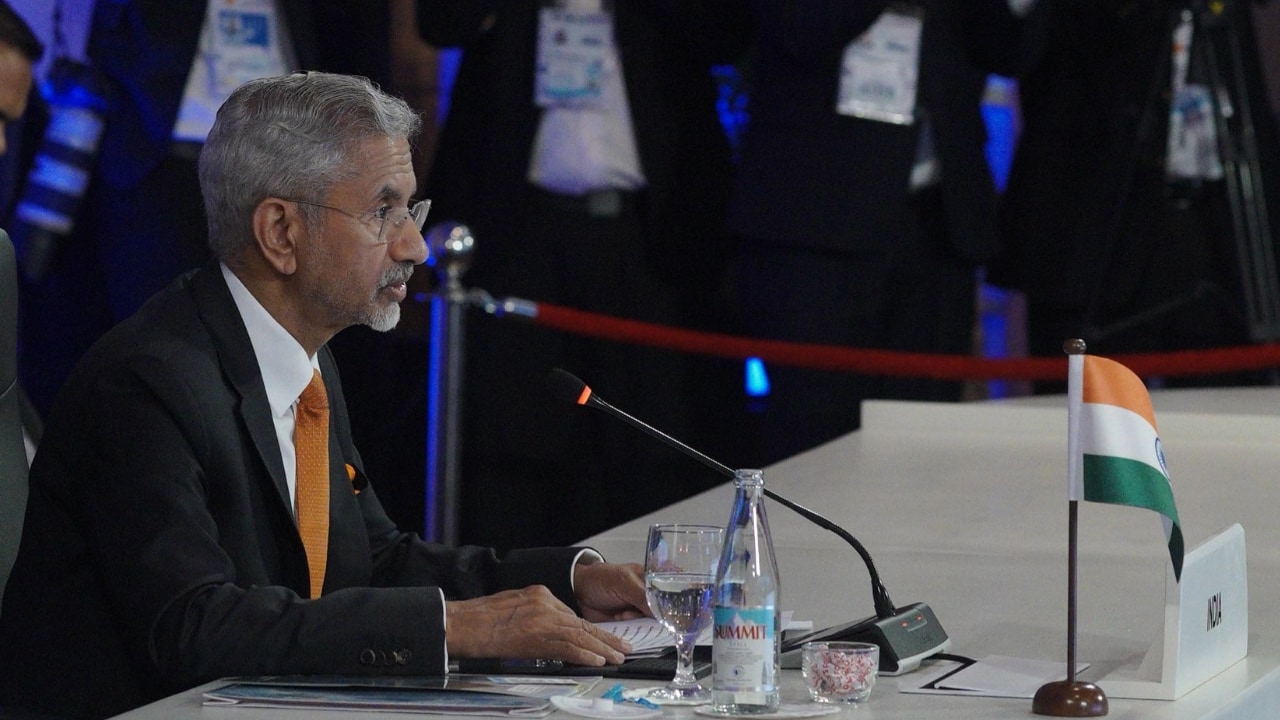
In a landmark move that underscores the deepening ties between New Delhi and Canberra, Australian Prime Minister Anthony Albanese has announced the repatriation of three priceless ancient Indian artefacts. This announcement coincided with the high-profile visit of Prime Minister Narendra Modi, marking a pivotal moment in the cultural diplomacy between the two Indo-Pacific powers.
The Sacred Treasures Returning Home
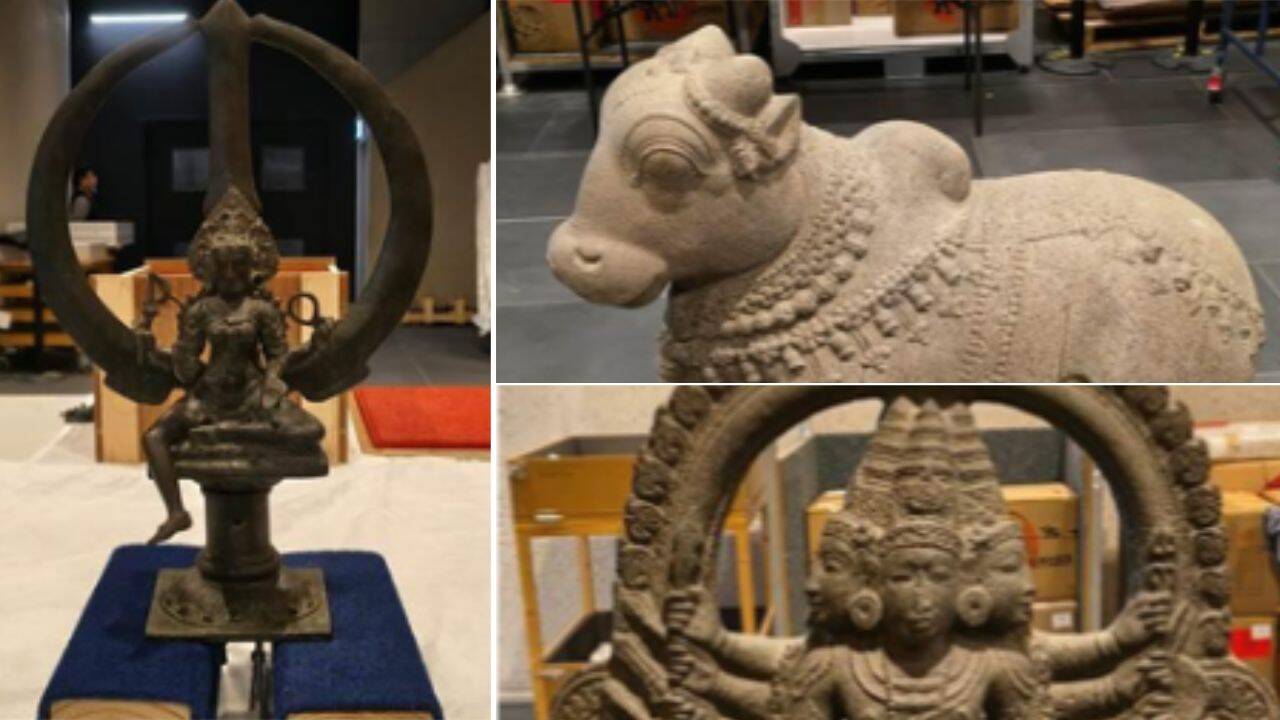
The artefacts, which represent the pinnacle of ancient Indian craftsmanship and spirituality, include a ceremonial metal trident featuring Goddess Bhadrakali, a stone idol of Nandi, and a stunning stone sculpture of the six-headed Kartikeya (Shanmukha). The Bhadrakali trident and the Nandi idol, dating back to the 13th-16th centuries CE, originated from the Sri Kasiviswanathaswamy Temple in Tamil Nadu. The Kartikeya sculpture is an exquisite piece from the Chola period, specifically the reign of Rajendra Chola I in the early 11th century, hailing from the Naganathsamy Temple in Thanjavur. Their return is not merely a transfer of objects but a restoration of spiritual and historical identity.
A Reciprocal Path to Historical Justice
Defining this exchange as a step toward 'historical justice,' Prime Minister Albanese emphasized the reciprocal nature of the agreement. In a poignant gesture of mutual respect, India has agreed to repatriate the ancestral remains of an Australian First Nations individual currently housed at the Government Museum in Chennai. By returning these remains to their Traditional Custodians, India is demonstrating its commitment to global reconciliation and the healing of colonial-era wounds.
Broader Strategic Implications
Beyond the cultural exchange, PM Modi's three-day visit focuses on a comprehensive strategic partnership. Discussions have spanned critical sectors including defence, security, trade, and the finalization of uranium export arrangements under the Civil Nuclear Agreement. The repatriation of these artefacts serves as a powerful symbol of trust and mutual respect, providing a soft-power foundation to the hard-power strategic alignment of the two nations in the region. This synergy is expected to further enhance mobility, education, and people-to-people connectivity between India and Australia.