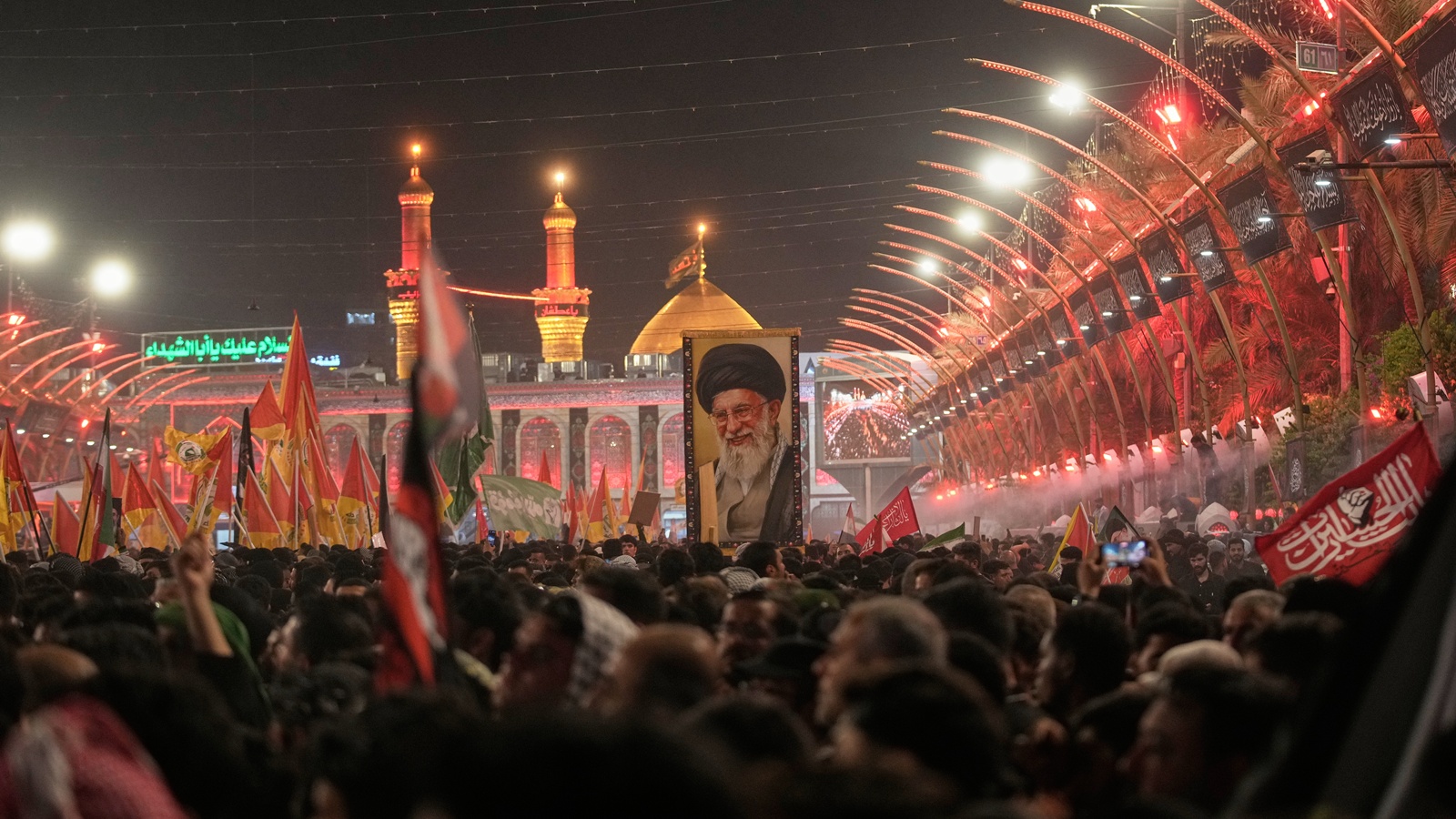
Iranian authorities buried former Supreme Leader Ayatollah Ali Khamenei at the holy Imam Reza shrine in Mashhad, four months after the joint US‑Israel airstrike. The ceremony unfolded amid regional tension, anti‑American chants and the mysterious absence of his son Mojtaba.
New Delhi (Reuters) – On July 10, Iran laid former Supreme Leader Ayatollah Ali Khamenei to rest at the Imam Reza shrine in Mashhad, marking the fourth month since the February joint US‑Israeli strike that left the nation reeling. The burial was the climax of a week‑long series of state‑organized funeral processions, rallies and religious rites across the country.
Historical and Political Context
Khamenei, who steered the Islamic Republic from 1989 until his death in 2021, was a pivotal figure in shaping Iran’s domestic and foreign policy. His designated successor, his son Mojtaba Khamenei, has remained out of the public eye since the February attack, fueling speculation about his health and whereabouts.
Funeral Procession and Public Sentiment
The coffin was conveyed on a slow‑moving truck through the streets of Mashhad, flanked by clerics and mourners clutching Iranian flags and photographs of the late leader. Crowds shouted slogans demanding revenge on U.S. President Donald Trump, chanting “Kill Trump” while brandishing placards that read “By the blood of the Supreme Leader, Trump, we will kill you!” – a stark illustration of grief intertwined with anger.
Regional Tensions and Strategic Implications
The US‑Israel strike has heightened volatility across West Asia, threatening the fragile cease‑fire and Memorandum of Understanding (MoU) that had been brokered earlier this year. By staging a high‑profile burial, Tehran aims to project ideological resilience and rally domestic support against perceived external aggression.
Mojtaba Khamenei’s Enigmatic Absence
Official statements affirm that Mojtaba is alive, yet no video, photograph or audio of him has been released since the February offensive. This opacity has spawned conspiracy theories both inside and outside Iran, while the regime insists his silence is a matter of security.
In sum, the burial serves as both a religious rite and a political statement, exposing the Iranian leadership’s internal vulnerabilities while signaling a readiness to confront escalating regional pressures.