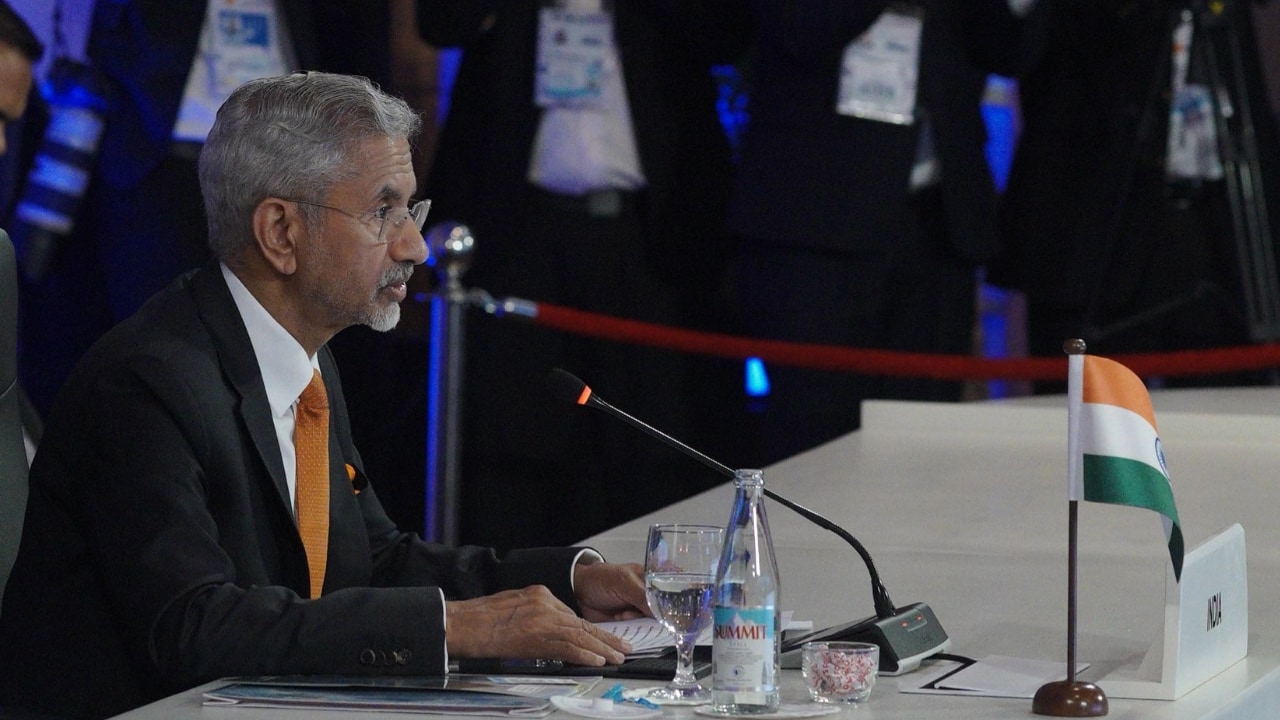
Iran's chief negotiator Mohammad Bagher Ghalibaf has warned the US that the Strait of Hormuz will only be accessible under Iranian arrangements following recent escalations.
Escalating Tensions in West Asia
In a significant escalation of geopolitical tensions in West Asia, Iran has asserted its dominance over the Strait of Hormuz, one of the world's most vital maritime chokepoints. Iran's chief negotiator and Parliamentary Speaker, Mohammad Bagher Ghalibaf, declared on Thursday that the strait would only be opened under "Iranian arrangements." This statement comes in the wake of direct military strikes exchanged between Tehran and Washington, signaling a breakdown in diplomatic norms.
Direct Confrontation with the United States
Taking to the social media platform X, Ghalibaf delivered a scathing critique of American foreign policy. He remarked, "The United States still has not learned that bullying and breaking its promises no longer come without consequences; let me be clear: If you strike, you will be struck." This rhetoric underscores Tehran's resolve to meet any perceived American aggression with proportional military or strategic retaliation.
The Strategic Importance of the Strait of Hormuz
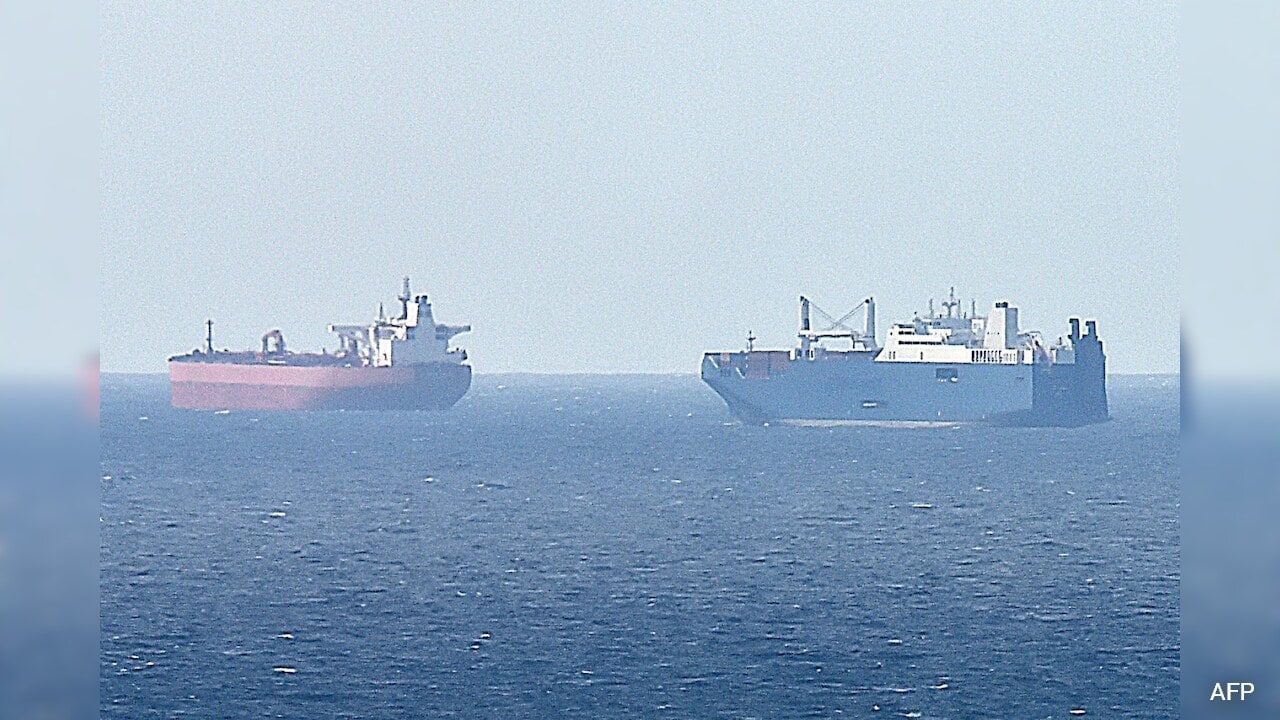
The Strait of Hormuz is the jugular vein of the global energy market. As a narrow waterway connecting the Persian Gulf to the Gulf of Oman, it facilitates the transit of a massive percentage of the world's total oil consumption. Any disruption or change in the regulatory framework of this strait—driven by Iranian mandates—could trigger immediate volatility in global crude oil prices and disrupt international supply chains.
Geopolitical Implications and Global Security
The confrontational stance adopted by Iran suggests that the era of back-channel diplomacy may be giving way to a period of high-stakes brinkmanship. As the US and its allies monitor the situation, the potential for a maritime blockade or increased naval skirmishes in the region remains high. The international community now watches closely to see if this "eye for an eye" doctrine will lead to a broader regional conflict or force a new round of high-level negotiations.