Iranian spokesperson Esmaeil Baghaei warned that Tehran‑Washington relations have never rested on trust but on a "commitment for commitment" principle, now broken by unilateral U.S. actions. The remark comes as the United States steps up military strikes against Iranian interests in the region.
Relations between Tehran and Washington have entered yet another volatile phase. Iranian spokesperson Esmaeil Baghaei publicly denounced former President Donald Trump as a "criminal and murderous" figure, while the United States intensified aerial and naval attacks on Iranian‑linked sites across Iraq and Syria. Baghaei emphasized that the Tehran‑Washington understanding was never built on trust but on a reciprocal "commitment for commitment"—a pact now shattered by American unilateralism.
Historical Context
Since the 1979 Islamic Revolution, U.S.–Iran ties have been marked by suspicion and confrontation. The 2015 Joint Comprehensive Plan of Action (JCPOA) offered a brief thaw, with Iran agreeing to curb its nuclear program in exchange for sanctions relief. However, the Trump administration withdrew from the accord in 2018, reinstating sanctions and prompting Tehran to resume certain nuclear activities, setting the stage for a new round of hostilities.
Recent Developments
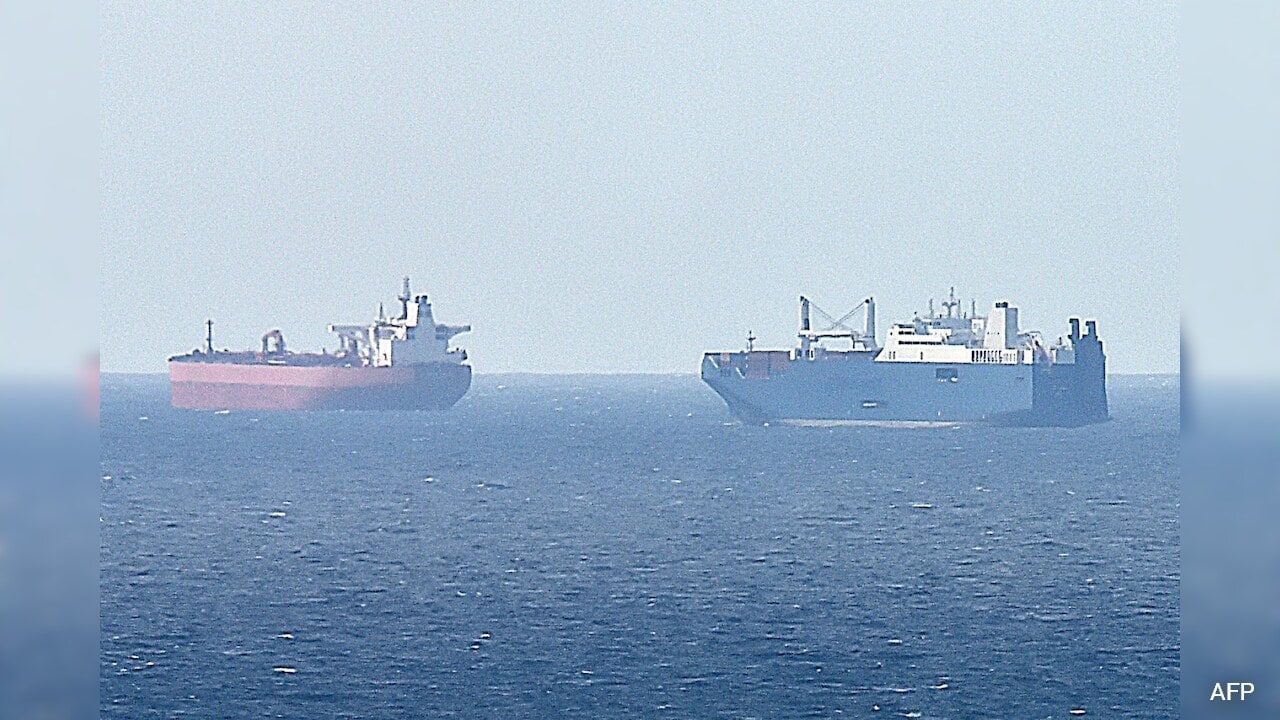
In the past week, U.S. drones and warships launched a series of strikes targeting Iranian‑backed militias and weapons depots in the Middle East. Tehran condemned the operations as "unlawful, unilateral aggression" and accused Washington of violating international law. Baghaei added, "The agreement between Tehran and Washington was never based on trust but on mutual commitments, and the United States has breached that principle."
Strategic Implications
These developments could reshape power dynamics across the region. Iran may accelerate its missile and drone programs and deepen ties with allies such as Russia and China to offset American pressure. Conversely, the U.S. will need to marshal diplomatic support, especially from European allies who continue to advocate for a revived JCPOA, to legitimize its actions on the world stage.
Expert Analysis
Scholars of international relations warn that escalating rhetoric and kinetic actions raise the risk of a broader conflagration. An unchecked spiral could destabilize oil markets, trigger refugee flows, and force neighboring states into precarious alignments. The absence of a trusted diplomatic channel makes de‑escalation increasingly difficult.
Baghaei’s stark condemnation underscores a growing frustration in Tehran that the U.S. views the bilateral relationship as a transactional chessboard rather than a partnership grounded in mutual respect. For policymakers, the urgent task is to re‑establish a credible dialogue that transcends punitive measures and addresses core security concerns on both sides.