Iran's Supreme Leader Ayatollah Ali Khamenei was buried at the Imam Reza shrine in Mashhad, concluding a week of national mourning. His death, caused by US‑Israeli air strikes, sparked a massive public outpouring and raised new geopolitical questions in the Middle East.
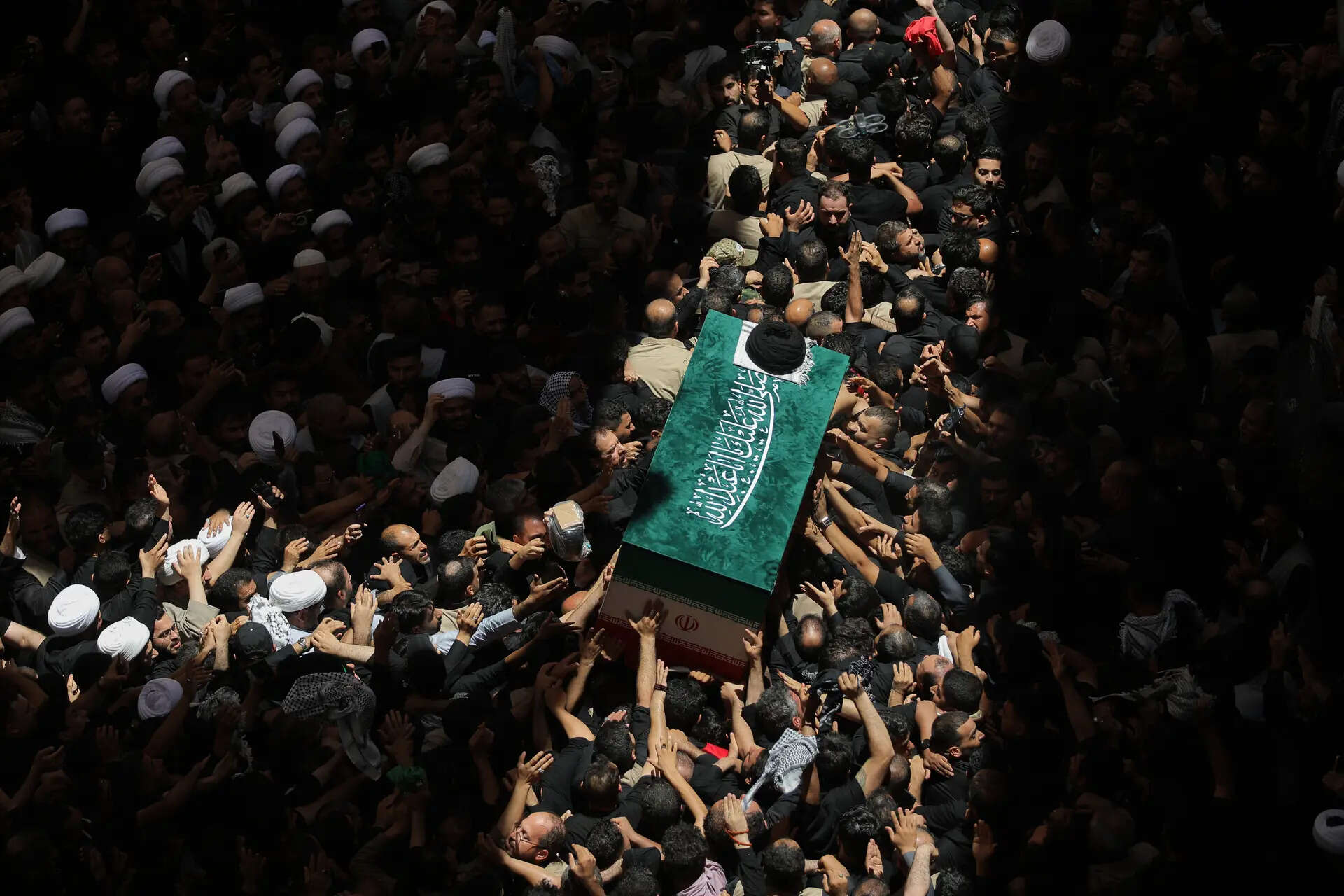
Iran's Supreme Leader Ayatollah Ali Khamenei was interred early Friday in his hometown of Mashhad at the Imam Reza shrine, four months after the US‑Israeli air strikes that killed him. The burial marked the end of a week‑long series of state funeral ceremonies that had brought the nation to a standstill.
Historical Context
Khamenei ruled Iran for nearly 37 years, steering a hard‑line stance against Western influence and shaping the country's foreign policy. His death on February 28, following the joint US‑Israeli strikes, triggered a regional crisis. Being buried in Mashhad is historically rare; the only previous ruler laid there was Nader Shah in 1747 after an 11‑year reign.
Funeral Processions and Public Reaction
Authorities shut down major streets, closed airspace, and halted daily activities across Tehran and other cities as mourners streamed to the shrine. Tens of thousands gathered to pay respects, while Khamenei's eldest son Mostafa Khamenei led the funeral prayers. Notably, his designated successor, Mojtaba Khamenei, was absent, prompting speculation about internal dynamics within the leadership circle.
Geopolitical Environment
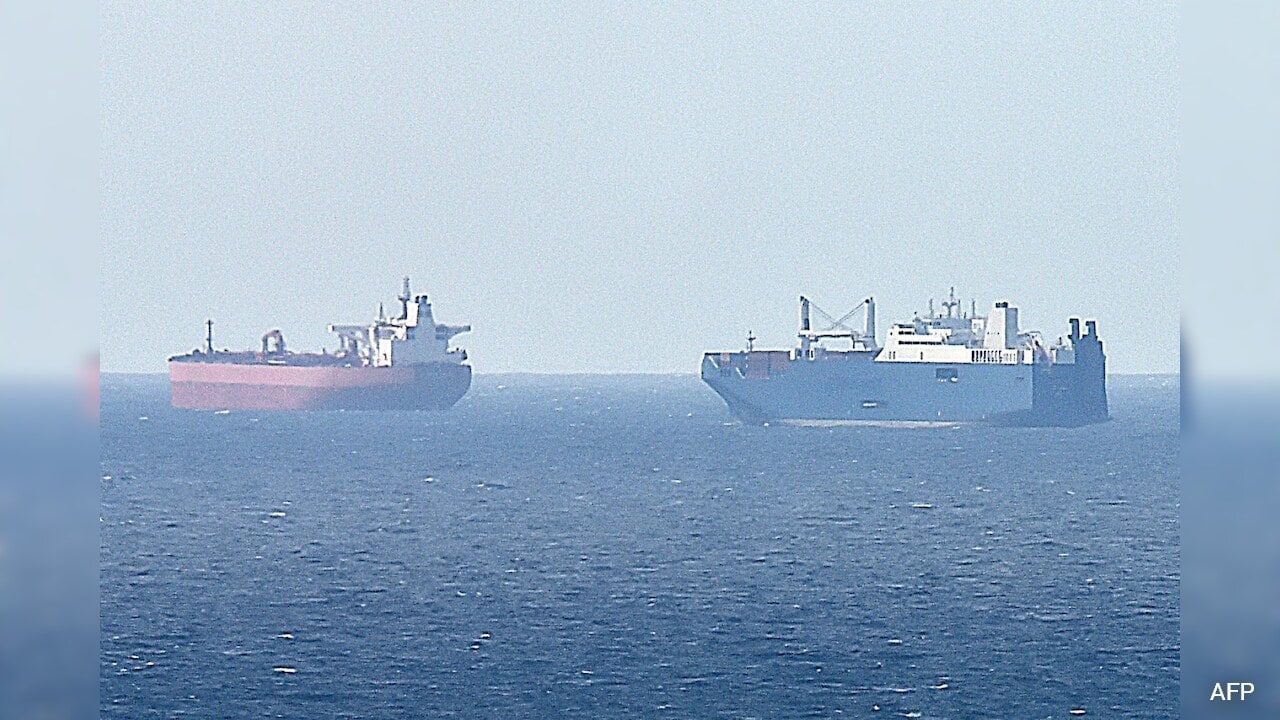
The burial took place amid renewed US‑Iran hostilities. Washington launched two consecutive days of strikes, accusing Tehran of attacks on civilian tankers in the Strait of Hormuz. Iran retaliated, and despite a June Memorandum of Understanding that established a 60‑day cease‑fire, tensions remain high. Observers view the ceremony as a potential barometer for the fragile peace talks.
Implications for the Future
The absence of the successor and the presence of Khamenei's other sons may signal shifting power balances within Iran's ruling elite. Moreover, the funeral underscores the interplay between domestic reverence and external pressure, hinting at how Iran's political trajectory could evolve in the coming months.