Direct military confrontation between the US and Iran intensifies as explosions rock southern Iran, threatening the Bushehr nuclear facility and regional stability.
The geopolitical landscape of the Middle East is on the brink of a massive escalation as direct military strikes between the United States and Iran have shattered a fragile three-week-old ceasefire. Reports have emerged of multiple explosions in southern Iran, most alarmingly near the perimeter of the Bushehr nuclear power plant. While authorities in Bushehr are still investigating whether the blasts were caused by incoming enemy projectiles, intercepted drones, or the activation of Iranian air defense systems, the proximity to a nuclear facility has sent shockwaves through the international community.
Regional Spillover and Missile Strikes
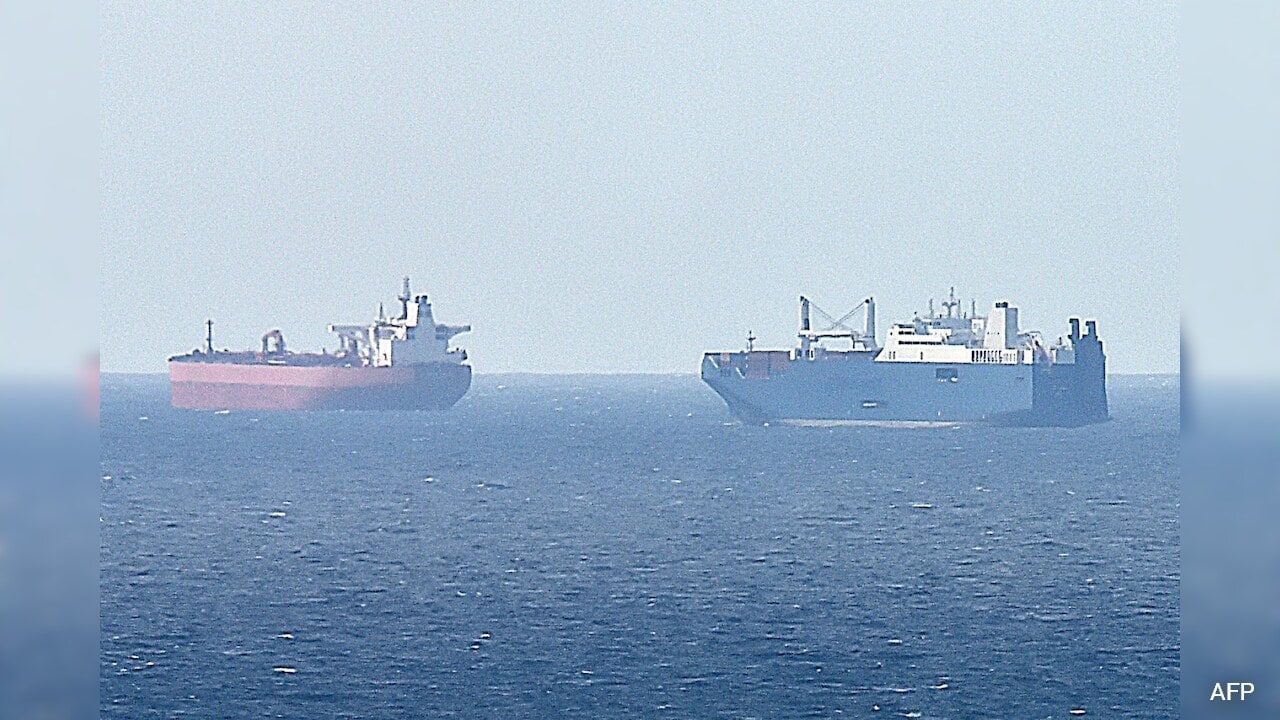
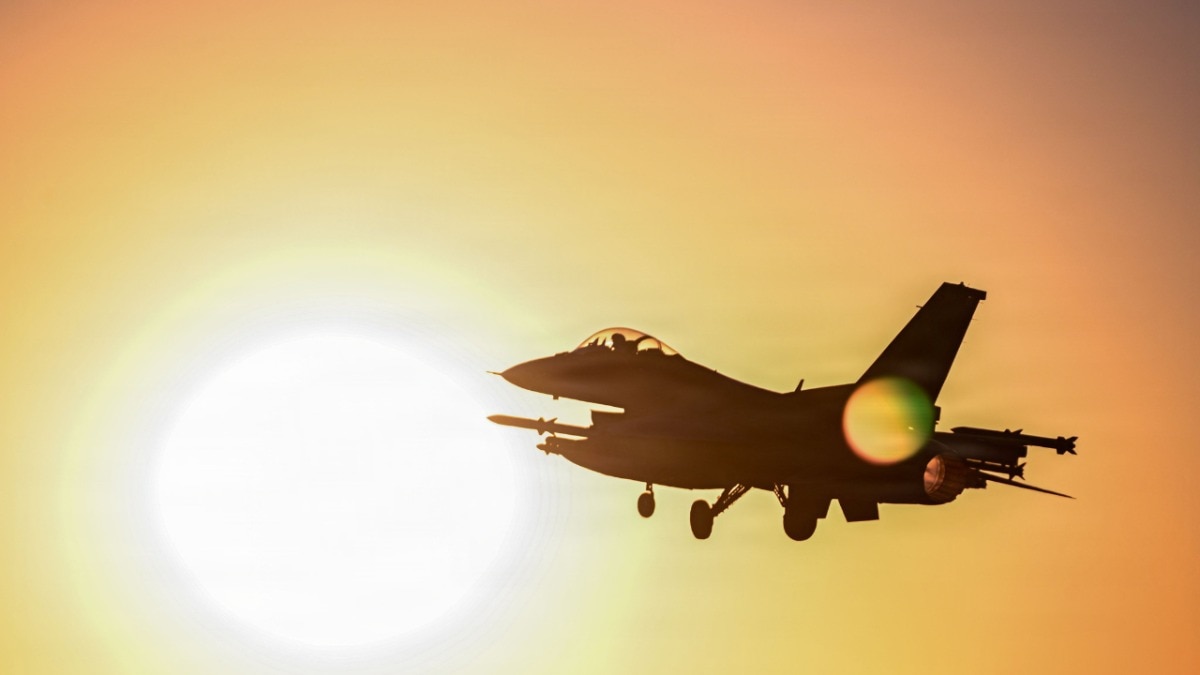
The conflict has rapidly expanded beyond Iranian borders. Following US strikes aimed at protecting commercial shipping in the Strait of Hormuz, Iran retaliated by launching a barrage of missiles and drones targeting US military assets in Bahrain, Kuwait, Qatar, and Jordan. Kuwaiti and Jordanian authorities confirmed the interception of incoming projectiles, highlighting the high-stakes nature of this aerial warfare. The strategic importance of the Strait of Hormuz cannot be overstated, as any prolonged disruption could trigger a global energy crisis.
Political Volatility and National Mourning
The escalation coincides with a period of profound national mourning in Iran. The funeral of the late Supreme Leader Ayatollah Ali Khamenei in Mashhad saw thousands of mourners, many of whom displayed banners expressing extreme hostility toward the US administration. This combination of religious fervor and military aggression creates a volatile environment that makes diplomatic de-escalation increasingly difficult. Tehran has maintained a hardline stance, asserting that the Strait of Hormuz will only reopen under Iranian supervision.
The Collapse of Diplomacy
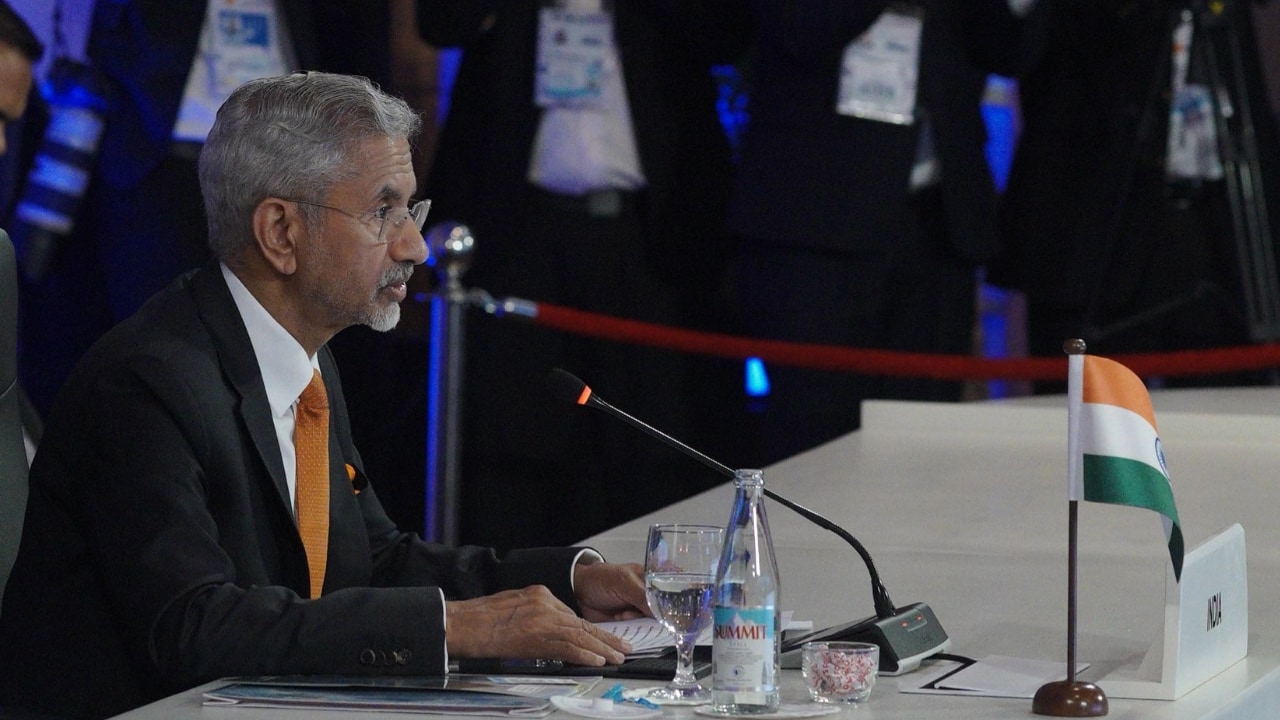
While nations like Turkey and Oman have attempted to mediate through diplomatic channels, the political rhetoric from Washington suggests a shift toward sustained combat. US President Donald Trump defended the strikes as necessary for maritime security but simultaneously declared that the interim peace agreement is effectively defunct. As the situation evolves, the risk of a full-scale regional war remains at its highest point in decades, with global powers watching the unfolding catastrophe with bated breath.