Italy has ordered the expulsion of two Russian military attaches accused of espionage, marking a significant escalation in Moscow's 'hybrid warfare' against Europe. The move follows the arrest of Italian agents leaking sensitive defense secrets.
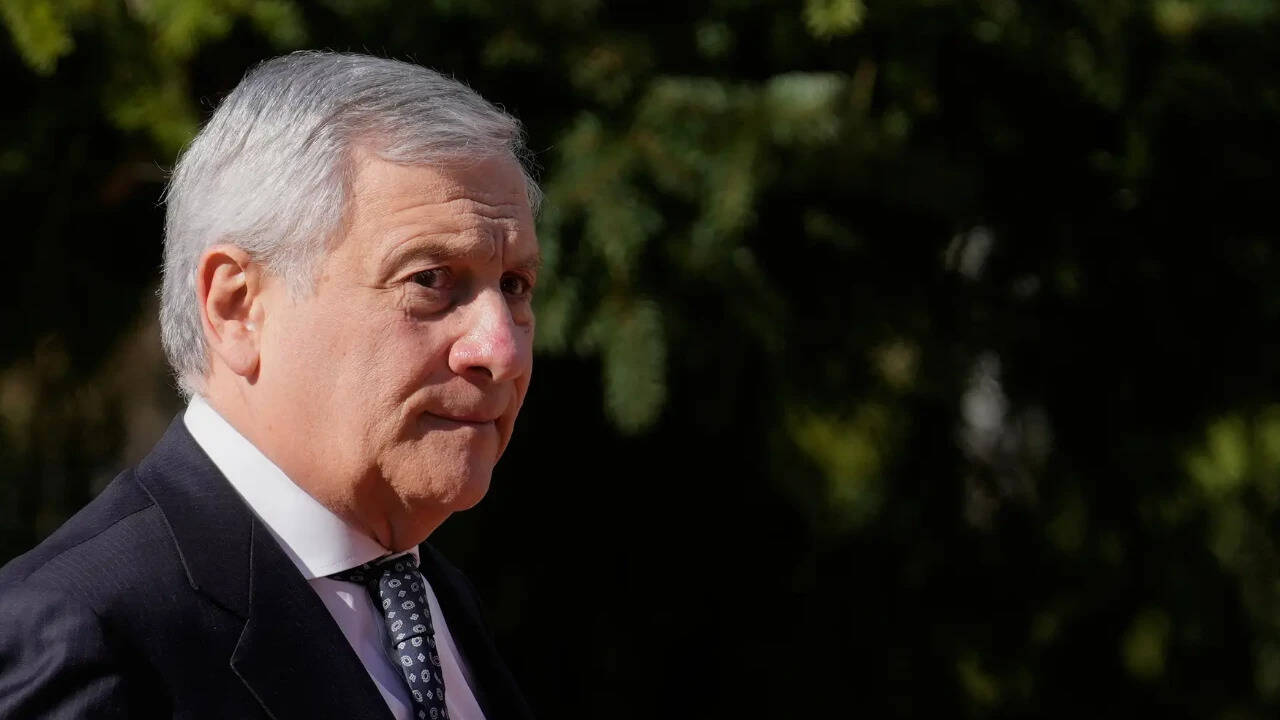
In a dramatic escalation of diplomatic tensions, Italy has ordered the immediate expulsion of two Russian military attaches, Ivan Petrovich Gorbachev and Mikhail Vasilyevich Astakhov, following allegations of espionage. Italian Foreign Minister Antonio Tajani condemned the move as a "serious and unacceptable act of interference," characterizing it as part of Moscow's broader campaign of hybrid warfare aimed at destabilizing Western institutions and compromising national security.
A Deep Breach of National Security
The expulsion comes on the heels of a major intelligence breakthrough in Rome. Italian police recently arrested two former intelligence operatives, including a 59-year-old former Carabinieri officer, for allegedly providing critical military secrets to Russian handlers. The breach is described as extensive, with reports suggesting the accused disclosed thousands of pieces of information over a twelve-year period, including the identities of Italian counter-espionage agents tasked with monitoring Russian activities.
Strategic Assets at Risk
The intelligence compromised is of paramount importance to the ongoing conflict in Ukraine. Among the leaked details are technical specifications regarding the SAMP/T air defense system and Aster missiles, which are slated for testing in Ukraine this year. Furthermore, Russian intelligence interests reportedly extended to NATO missions in Bulgaria and the operations of Avio, a key Italian manufacturer of motors for drones and supersonic missiles.
The 'Tip of the Iceberg'
Italian Defense Minister Guido Crosetto warned that this scandal is merely the "tip of the iceberg" regarding Russia's clandestine operations within Europe. As Russia continues its invasion of Ukraine, the use of intelligence assets to undermine European defense capabilities has become a primary front. While Russia's Foreign Ministry spokeswoman Maria Zakharova has signaled that Moscow will respond to these expulsions, the incident underscores the heightened state of vigilance required by NATO allies in an era of pervasive information warfare.