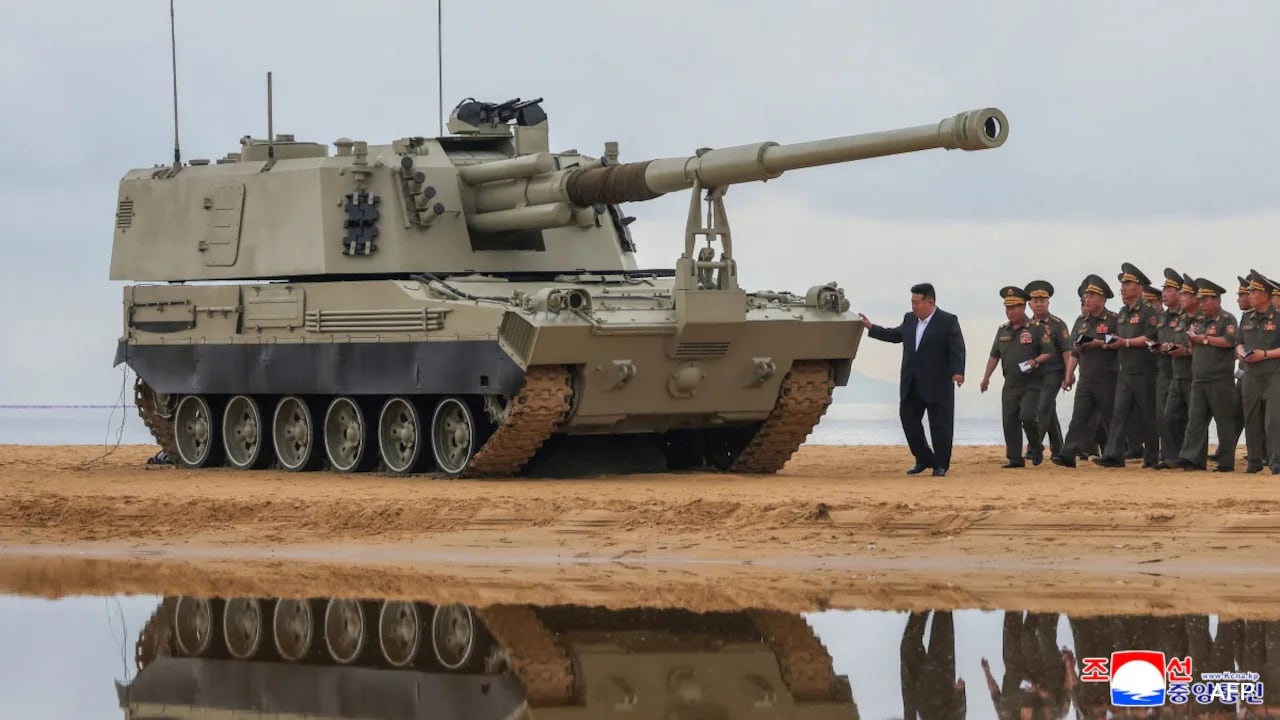
North Korea's leader Kim Jong Un, while inspecting weapons at the National Defence Science Research Institute, announced new measures to strengthen the country's nuclear arsenal both in numbers and capability.
The Democratic People’s Republic of Korea (North Korea) has outlined a fresh strategic direction to expand its nuclear capabilities, according to a report by the state news agency KCNA on Friday. The announcement came as the nation’s supreme leader Kim Jong Un toured the National Defence Science Research Institute (NDSRI), reviewing a range of weapon systems.
Historical Context
Over the past two decades, North Korea has repeatedly accelerated its nuclear program, prompting heightened tensions worldwide. Nuclear tests in 2006, 2009 and 2016 triggered a series of stringent international sanctions. In 2022, Kim Jong Un pledged to modernise the military, an agenda that includes not only conventional arms but also advanced nuclear capabilities.
New Measures
KCNA’s report states that the upcoming strategy will focus on "quantitative and qualitative" improvements. This dual approach means expanding the sheer number of warheads while simultaneously integrating cutting‑edge technologies such as hypersonic missiles and more accurate delivery systems. Analysts suggest that such a move could reposition North Korea within the strategic calculus of the Indo‑Pacific, potentially altering the balance of power.
Regional Implications
Neighbouring states—including South Korea, Japan and the United States—have already heightened their own defence postures in response to Pyongyang’s nuclear ambitions. The latest announcement may intensify a security dilemma, compelling regional actors to reassess missile‑defence architectures and crisis‑management protocols.
Global Reaction
Members of the United Nations Security Council have previously warned that any further advancement of North Korea’s nuclear arsenal would lead to tighter sanctions. With this new policy on the table, diplomatic efforts are likely to intensify, as experts from the International Atomic Energy Agency scrutinise whether the plan contravenes existing non‑proliferation agreements.
The long‑term impact of North Korea’s renewed nuclear drive remains uncertain, but it is evident that the security landscape of the Indo‑Pacific—and indeed the world—faces fresh challenges that will demand vigilant monitoring and proactive diplomacy.