In contemporary conflict, territorial gains are no longer a reliable path to political objectives. Technological, economic, and nuclear constraints render traditional occupation untenable, while digital networks, energy corridors, and global supply chains become the new strategic frontiers.
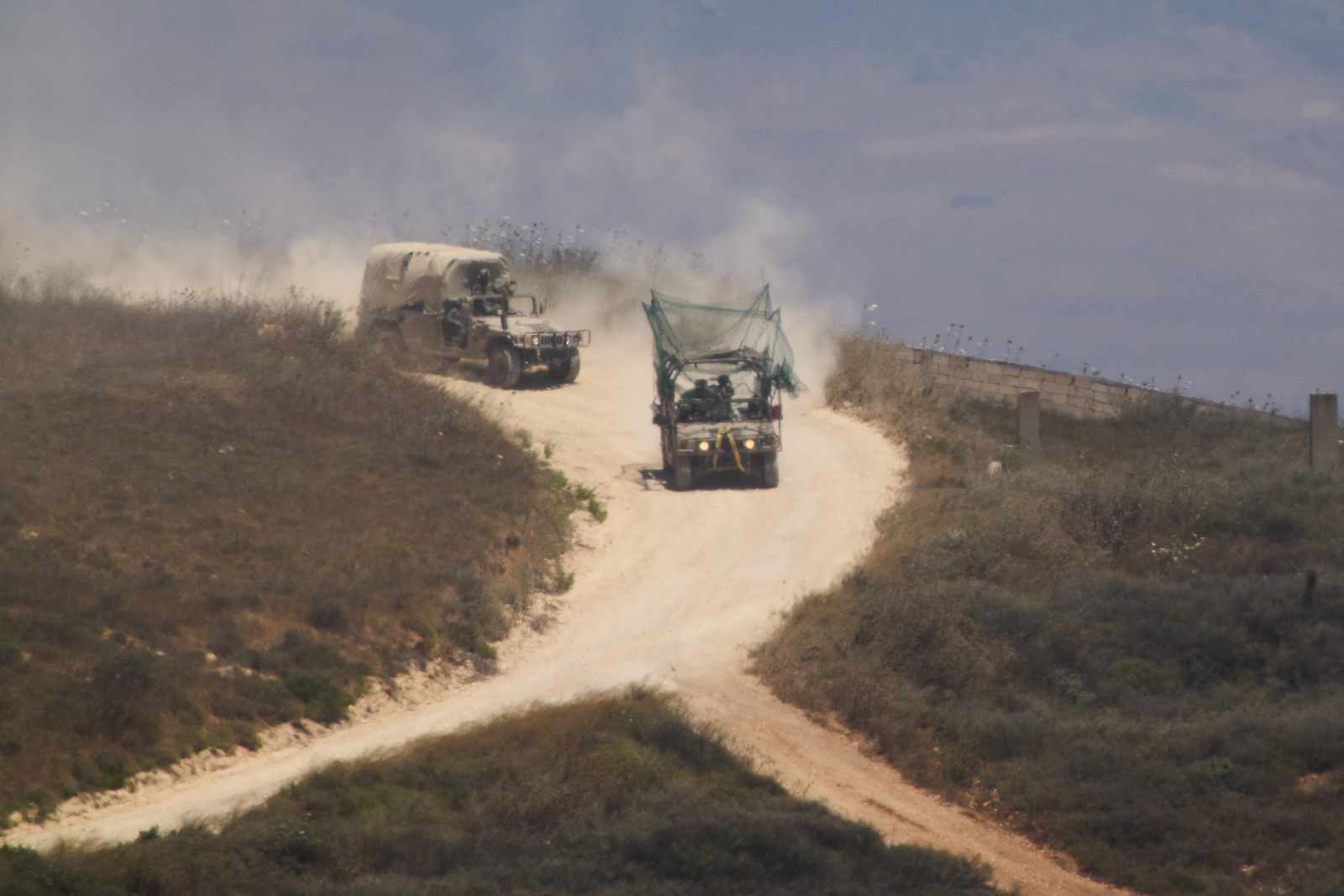
In the 21st‑century battlefield, a fundamental shift has taken place: territorial conquest can no longer be counted on as a dependable means of achieving political ends. India’s deployment of more than a million troops along its borders with Pakistan and China illustrates the continued focus on land, yet such a massive force is increasingly constrained by nuclear deterrence and rapid technological strikes.
Historical Context Versus Modern Realities
Since the Treaty of Westphalia in 1648, the purpose of war has evolved, yet the legacy of figures like Alexander, Genghis Khan, and Napoleon shows that victories rarely translate into lasting statecraft. Alexander’s conquests relied on looted wealth, Genghis Khan reshaped demographics without creating enduring prosperity, and Napoleon’s Russian campaign cost 550,000 troops without delivering strategic advantage.
Technology and Nuclear Constraints
Modern warfare is defined by precision and speed, not sheer manpower. Drone strikes, cyber operations, and AI‑enabled targeting have supplanted the need for ground occupation. The Ukraine war, with 1.4 million Russian casualties, starkly demonstrates the prohibitive cost of holding territory. Nuclear weapons further limit large‑scale territorial aggression, making occupation a high‑risk endeavor.
The New Battlefield: Digital and Economic Networks
Conflict now extends beyond geographic boundaries. Digital infrastructure, AI targeting systems, energy corridors, supply chains, semiconductor plants, satellite constellations, undersea cables, data centers, and water systems constitute the new arenas of war. Control over these systems can exert economic pressure comparable to, or even exceeding, that of traditional military campaigns, as seen in the 15‑year sanctions on Iran that cost $1.2 trillion.
Strategic Re‑definition
Adapting to this reality requires a re‑definition of strategy. Nations must focus not only on military force but also on economic sanctions, cyber‑security, energy policy, and the resilience of global supply chains. In future conflicts, true power will lie in controlling the systems that sustain modern societies.