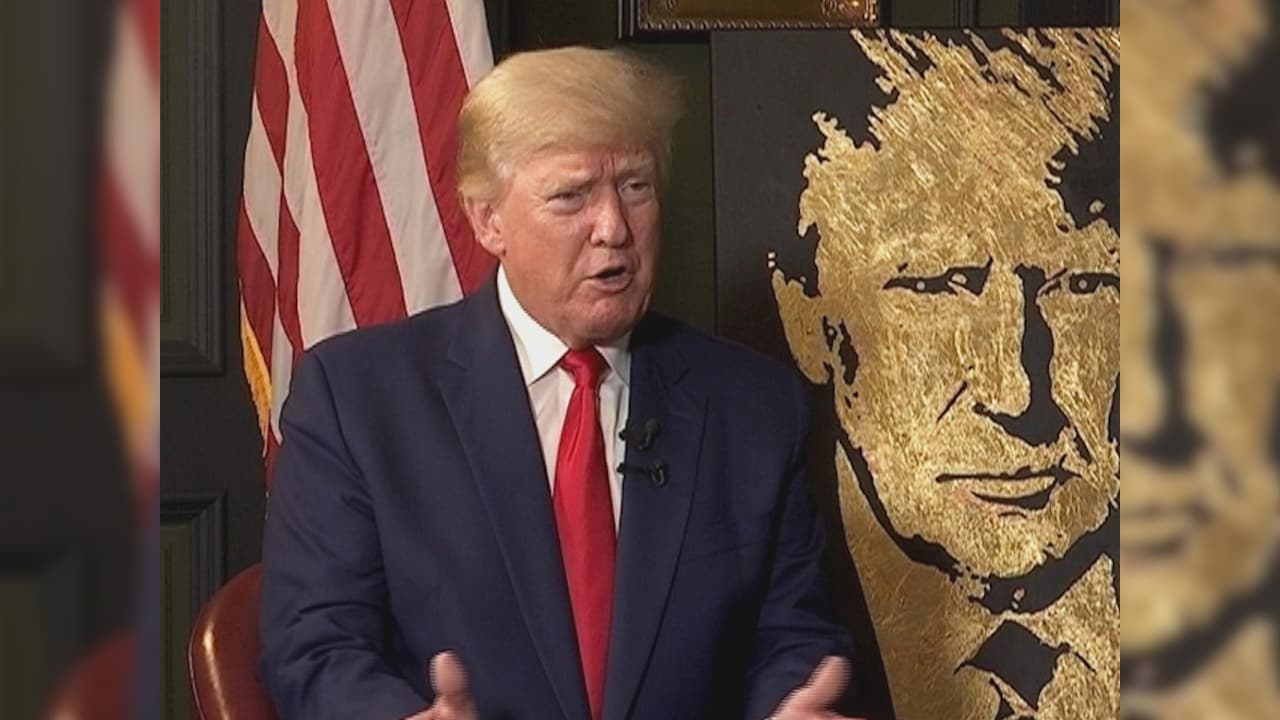
Former President Donald Trump has issued a provocative ultimatum to Tehran, promising a response twenty times more devastating for every attack on the United States.
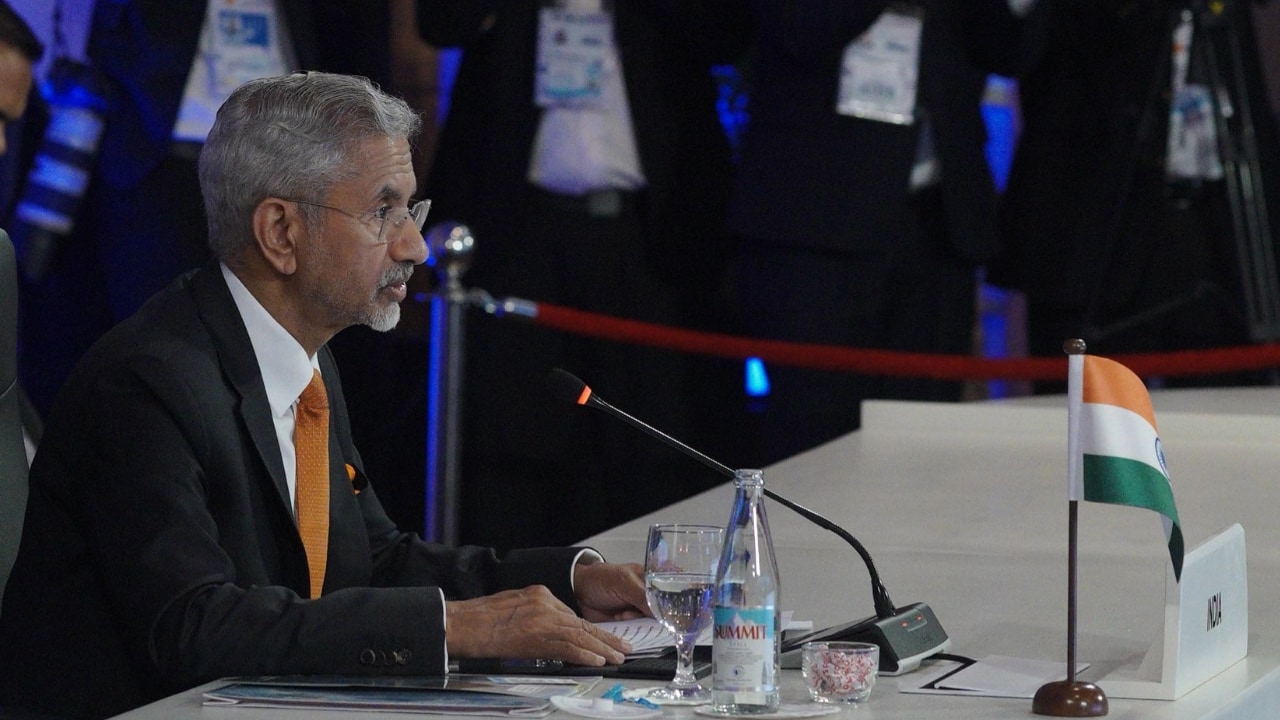
In a move that has sent shockwaves through the diplomatic corridors of the world, former President Donald Trump has issued a stark warning to the Islamic Republic of Iran. Speaking to reporters aboard Air Force One while returning from a high-profile NATO summit in Turkey, Trump signaled a return to an era of unprecedented military decisiveness. "Every time they hit us, we're going to hit them 20," Trump declared, underscoring a policy of overwhelming retaliation.
The Doctrine of Escalated Deterrence
Trump's rhetoric points toward a revival of his signature 'Maximum Pressure' campaign. By proposing a mathematical escalation—a 1:20 ratio of retaliation—Trump is attempting to establish a new paradigm of deterrence. This strategy aims to move beyond traditional proportional responses, seeking instead to make the cost of aggression so prohibitively high that Tehran would find any provocation against U.S. interests to be a form of national suicide.
Geopolitical Context and NATO Implications
The timing of this statement, following a NATO summit, is highly significant. It suggests that Trump views American strength not just as a bilateral matter with Iran, but as the cornerstone of global security architecture. As the Middle East remains a volatile flashpoint, Trump's stance challenges the current administration's more nuanced diplomatic approach, favoring instead a posture of raw power projection that could reshape alliances across the region.
Global Economic and Security Risks
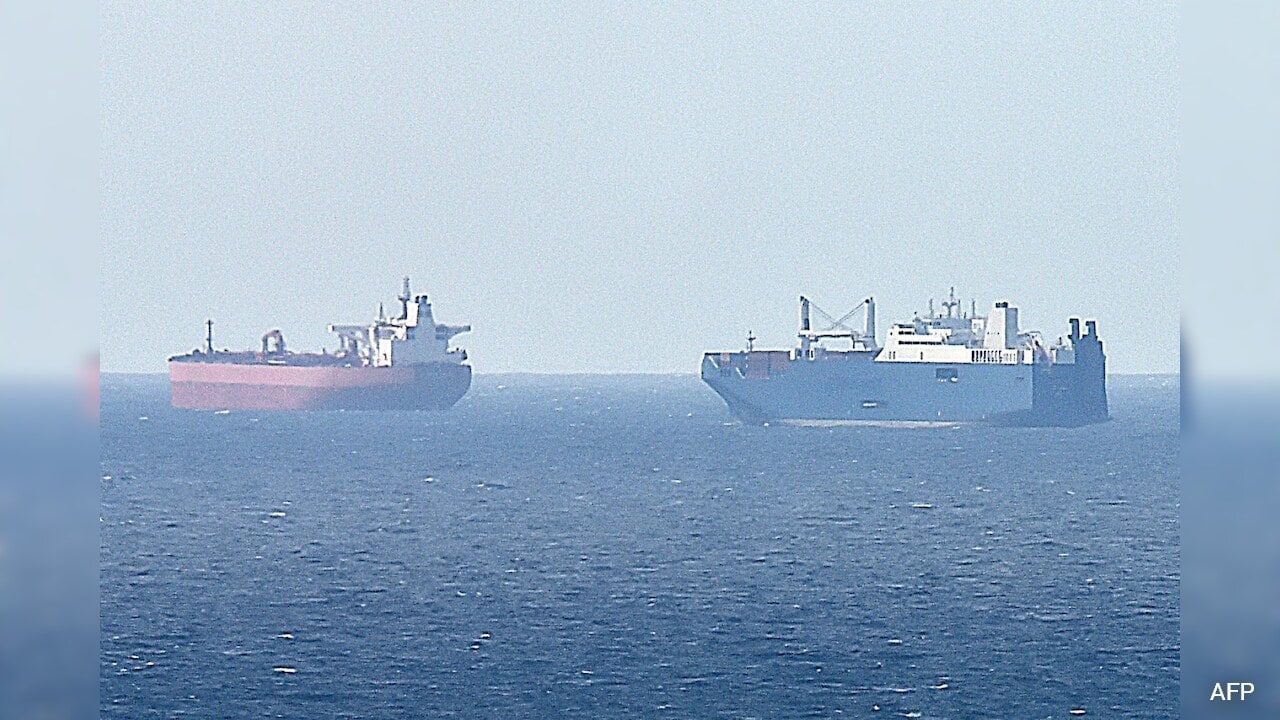
The implications of such a policy are profound. A direct military confrontation between the U.S. and Iran would likely cause immediate volatility in global energy markets. Any disruption in the Strait of Hormuz, a critical artery for the world's oil supply, could trigger a global economic crisis. Furthermore, the international community is now grappling with the reality of a foreign policy that prioritizes aggressive deterrence over multilateral de-escalation, raising questions about the future of regional stability.