While Donald Trump aims to move past the long-standing tensions with Iran, Tehran's strategic leverage over vital oil shipping lanes poses a significant obstacle to lasting peace.
Former President Donald Trump has consistently signaled a desire to pivot away from the protracted conflicts of the Middle East. His strategic objective is to avoid being drawn into further 'forever wars,' particularly the escalating tension with Iran. However, achieving a diplomatic breakthrough with Tehran is proving to be a complex geopolitical puzzle that extends far beyond mere policy shifts.
The Perils of Perceived Weakness
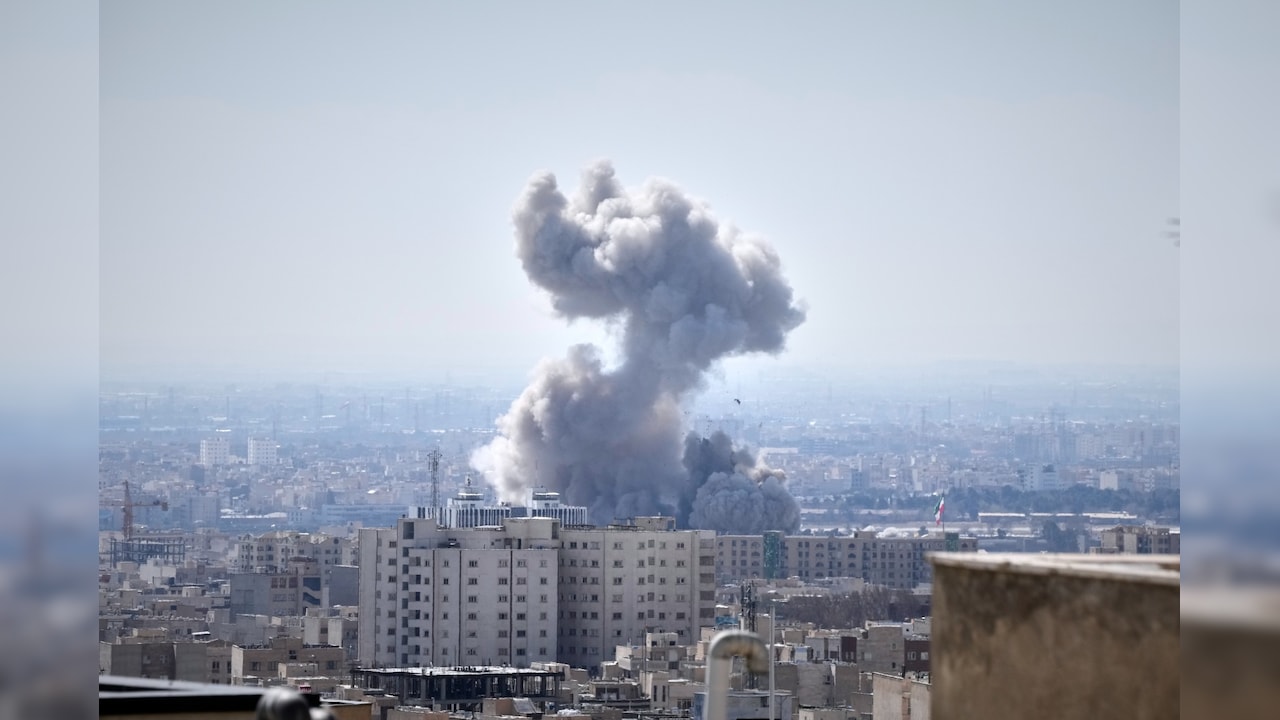
One of the primary challenges in Trump's approach is the perception of strength. In the volatile landscape of Middle Eastern politics, any move that appears to be a retreat or a concession in the face of Iranian defiance could be misinterpreted by the regime in Tehran. Analysts warn that if Iran senses a lack of American resolve, it may feel emboldened to assert its influence more aggressively through its network of regional proxies, potentially destabilizing much of the region.
The Strait of Hormuz and Global Energy Security
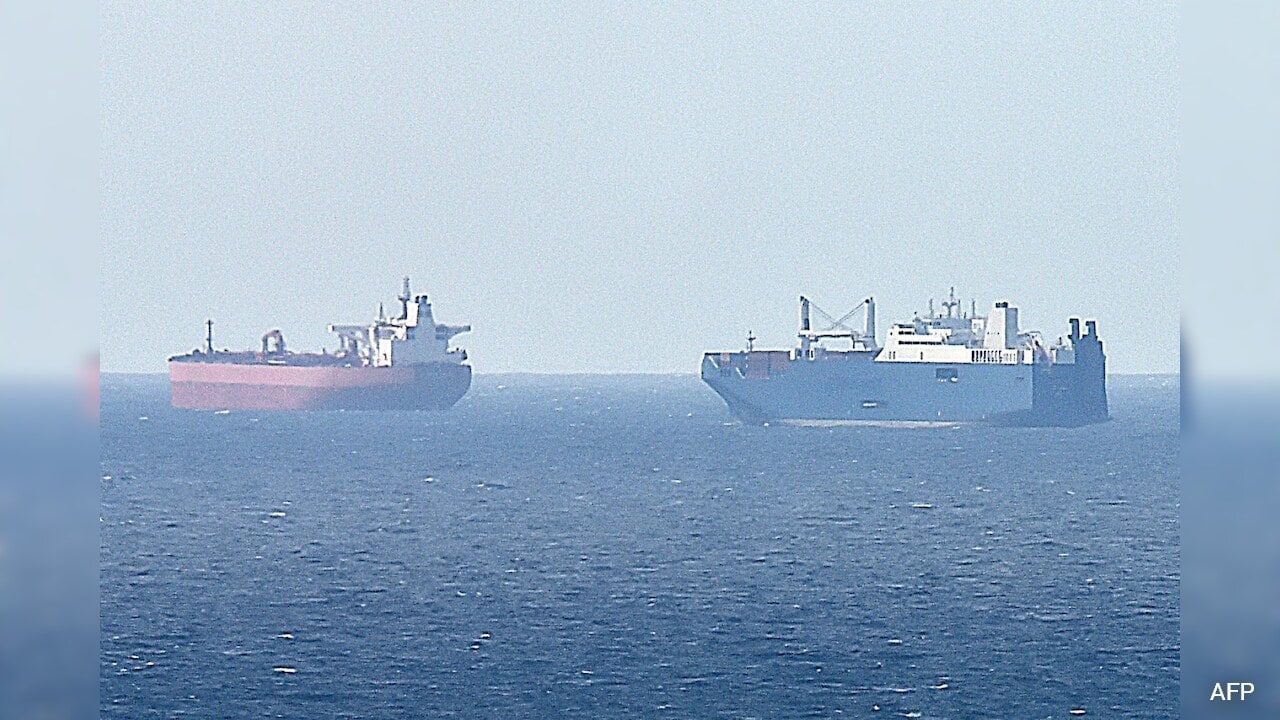
The most critical variable in this geopolitical chess match is the security of global energy supplies. The Strait of Hormuz remains the world's most vital oil-shipping chokepoint. Iran possesses the capability to exert significant leverage over this channel, which could lead to immediate and catastrophic spikes in global oil prices. Any disruption in this waterway wouldn't just be a regional issue; it would trigger a global economic shockwave, impacting markets from New York to Tokyo.
Historical Context and Future Implications
The relationship between Washington and Tehran has been defined by decades of mistrust, ranging from the nuclear standoff to heavy economic sanctions. While Trump's 'America First' doctrine seeks to minimize foreign entanglements, the interconnected nature of modern energy security and regional stability means that isolation is nearly impossible. Navigating this landscape requires a delicate balance of deterrence and diplomacy—a feat that remains elusive for any administration attempting to de-escalate the Iran crisis.