The US Department of Justice has formally charged Lawrence Bishnoi and his organized crime network for a series of violent attacks on high‑profile Indian entertainers. The indictment highlights an expanding trans‑national criminal nexus linking India, Canada and the United States.
The United States Department of Justice (DoJ) filed a sweeping indictment on July 10, 2026, accusing Lawrence Bishnoi and his Bishnoi organised crime group (OCG) of orchestrating multiple attacks on prominent Indian cultural figures. The charges span alleged shootings, death threats, and even the ordering of murder, targeting Bollywood star Salman Khan, Punjabi actor‑singer Gippy Grewal and the late rapper‑politician Sidhu Moosewala.
Key Allegations in the Indictment
The filing states that between 2022 and 2026 Bishnoi repeatedly expressed intent to kill Salman Khan, a claim linked to an April 2024 armed intrusion at the actor’s home and a separate breach on his film set. The motive, according to the indictment, stems from Khan’s involvement in a 1998 black‑buck poaching case that continues to shadow the star.
In November 2023, a gunfire incident outside a Vancouver residence was traced to a Facebook post by Bishnoi, warning in Punjabi, “no one can save you from us.” Media analysts identified the target as Punjabi star‑singer Rupinder “Gippy” Grewal, whose home in Canada was sprayed with bullets on the same night.
Sidhu Moosewala Murder Connection
The indictment also alleges that Bishnoi’s group claimed responsibility for the May 29, 2022 killing of Sidhu Moosewala (Shubhdeep Singh Sidhu) in Mansa district, Punjab. The DoJ notes that the organization publicly admitted the act in a media interview, underscoring the group’s willingness to publicise high‑profile killings to bolster its notoriety.
Trans‑national Investigation and Recruitment Tactics
According to the DoJ, Bishnoi started as a student leader in the early 2010s, converting a campus network into a full‑blown criminal enterprise. The OCG recruited heavily from economically vulnerable communities in Punjab, often enlisting minors to reduce potential sentencing exposure for adult operatives. This recruitment model, combined with sophisticated social‑media propaganda, enabled the group to expand its reach beyond India’s borders.
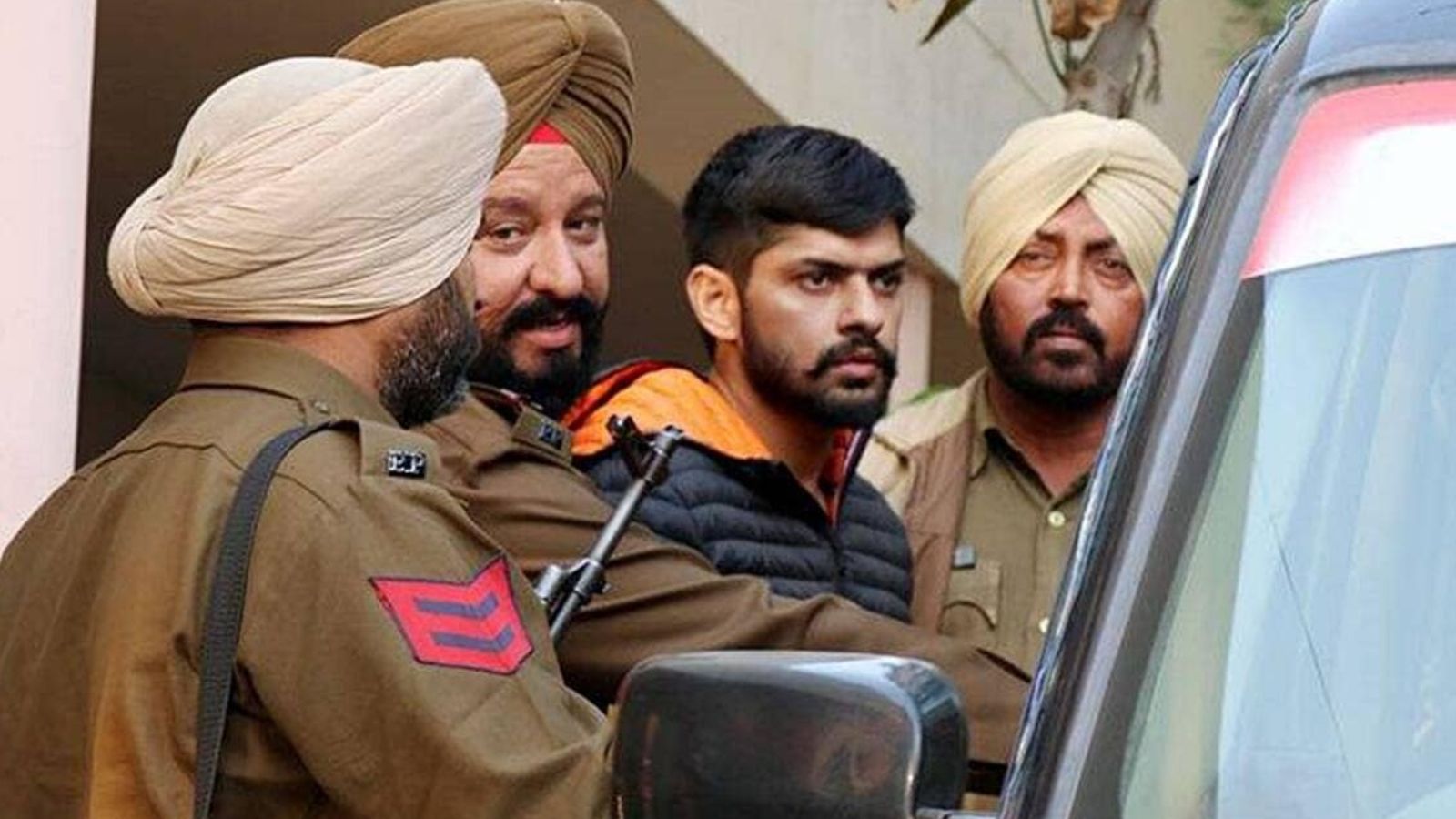
Law enforcement agencies from the United States, India and Canada collaborated closely, sharing intelligence on names, hideouts and financial trails. The joint effort culminated in Bishnoi’s transfer to the high‑security Sabarmati jail in Gujarat, where he now remains under strict custody.
In a parallel move, the DoJ announced a $50,000 reward for information leading to the capture of Goldy Brar, a designated terrorist linked to the Bishnoi network. This bounty illustrates the U.S. government’s resolve to dismantle the OCG’s trans‑national operations.