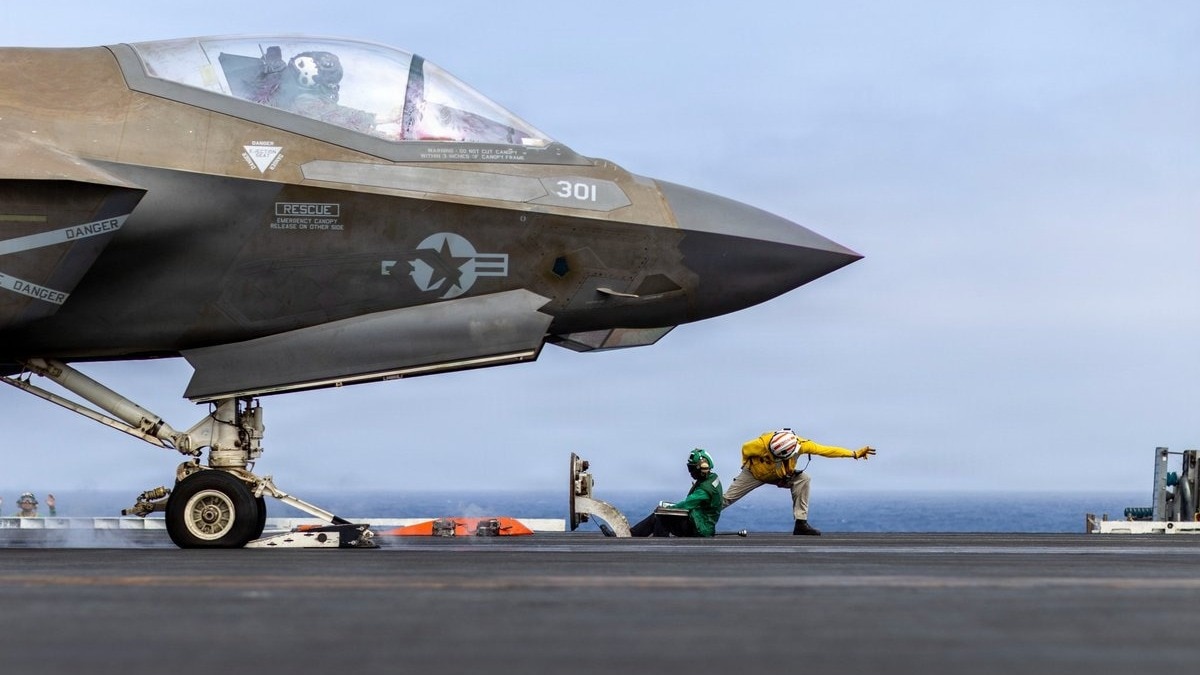
U.S. forces intensified strikes on Iran, hitting a nuclear plant vicinity, severing the Tehran‑Mashhad rail link, and detonating explosives in Bandar Abbas, killing 14 and wounding 78.
On July 9, 2026, the United States launched a series of air strikes around Iran’s sole nuclear power plant, resulting in 14 fatalities and 78 injuries across five provinces. The attacks also targeted the critical Tehran‑Mashhad railway line, temporarily suspending passenger services that carry millions of commuters each year.
Mashhad’s Strategic Significance
Mashhad, a key transport hub, was already crowded with mourners attending the burial of Supreme Leader Ayatollah Ali Khamenei. The rail strike came at a time of heightened sensitivity, amplifying the political shock of the assault.
Bandar Abbas Explosion
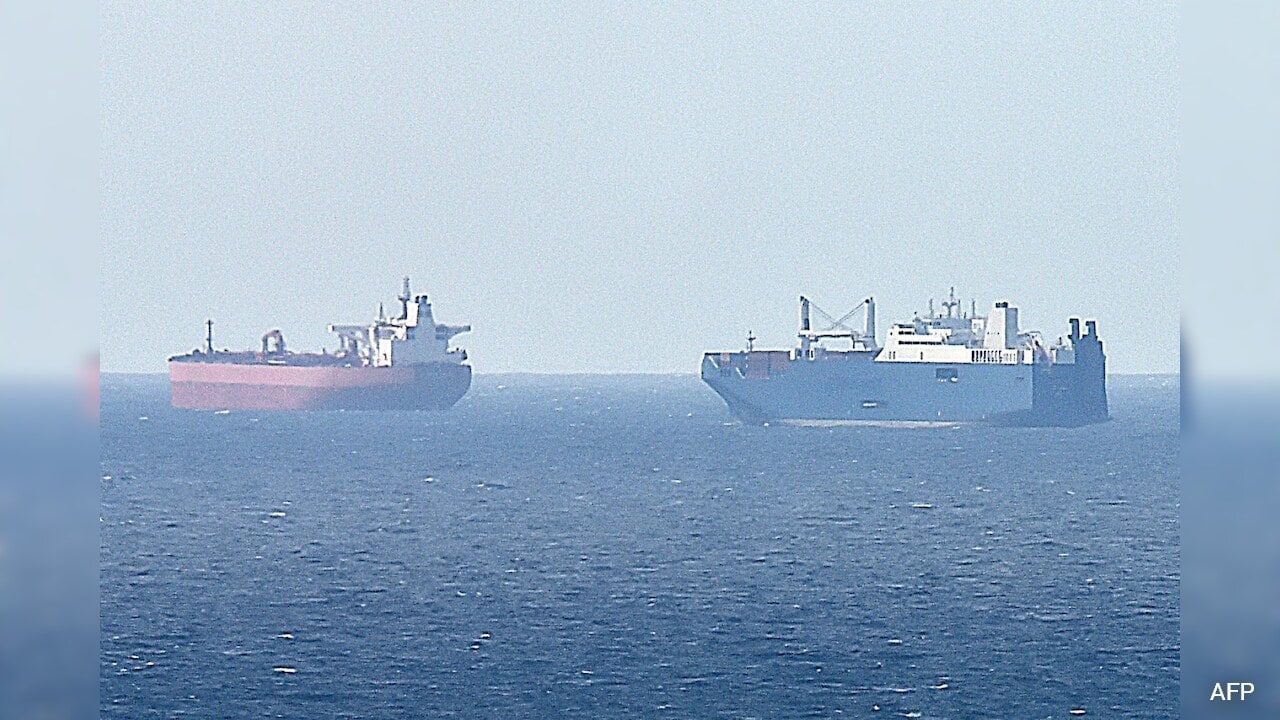
In the morning, an additional blast was reported at the port city of Bandar Abbas, located on the strategic Strait of Hormuz. Sources attribute this to U.S. and Israeli forces, prompting Iran to retaliate against allied Middle Eastern states.
Political Context and Future Risks
Following President Trump’s warning that renewed shipping attacks could worsen the situation, these incidents underscore escalating tensions between Iran and the U.S. The Iranian government is now repairing damaged bridges and arranging alternative transport for stranded passengers.
Analysis
These strikes not only disrupt Iran’s critical infrastructure but also send a broader geopolitical message. Continued aggression could destabilize an already fragile region, prompting international scrutiny and potential diplomatic fallout.