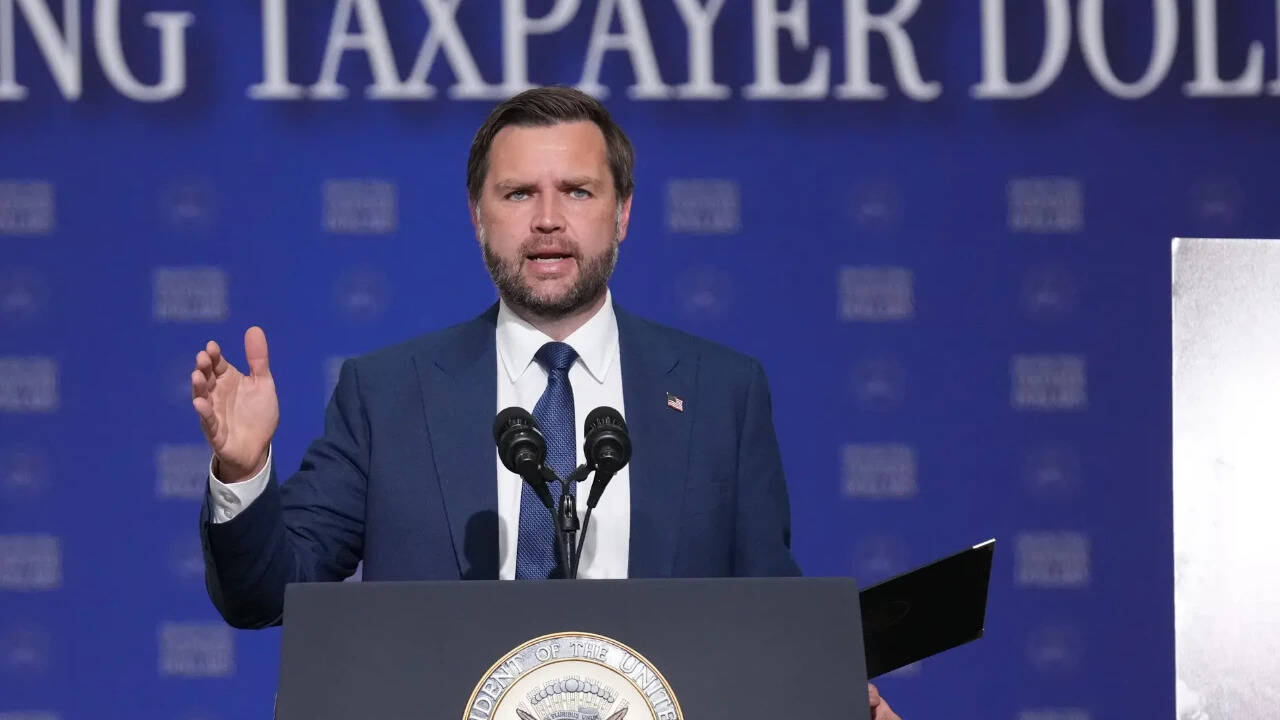
U.S. Vice President JD Vance announced a hard‑line crackdown on alleged abuses of the H‑1B visa program. The Department of Labor has issued subpoenas to several firms, aiming to protect taxpayer money and stop foreign fraudsters from undercutting American workers.
Speaking in Milwaukee, Wisconsin, U.S. Vice President JD Vance warned that American jobs must belong to American workers, not to foreign actors exploiting the H‑1B visa system. He accused large corporations and overseas fraudsters of using the program to depress wages for domestic labor.
Original Purpose of the H‑1B Program
Created in the early 1990s, the H‑1B visa was intended to attract highly skilled professionals—scientists, doctors, engineers, and tech experts—to fill specialized roles that require at least a bachelor’s degree. Employers must certify to the Department of Labor that hiring foreign workers will not adversely affect the wages or working conditions of similarly employed U.S. workers.
Current Abuse and Enforcement Action
Vance disclosed that the Department of Labor has already served dozens of subpoenas and launched investigations into entities suspected of exploiting the visa scheme. The crackdown is part of a broader “America First” fraud‑enforcement drive designed to safeguard taxpayer dollars and ensure the integrity of immigration programs.
Implications for Indian Professionals
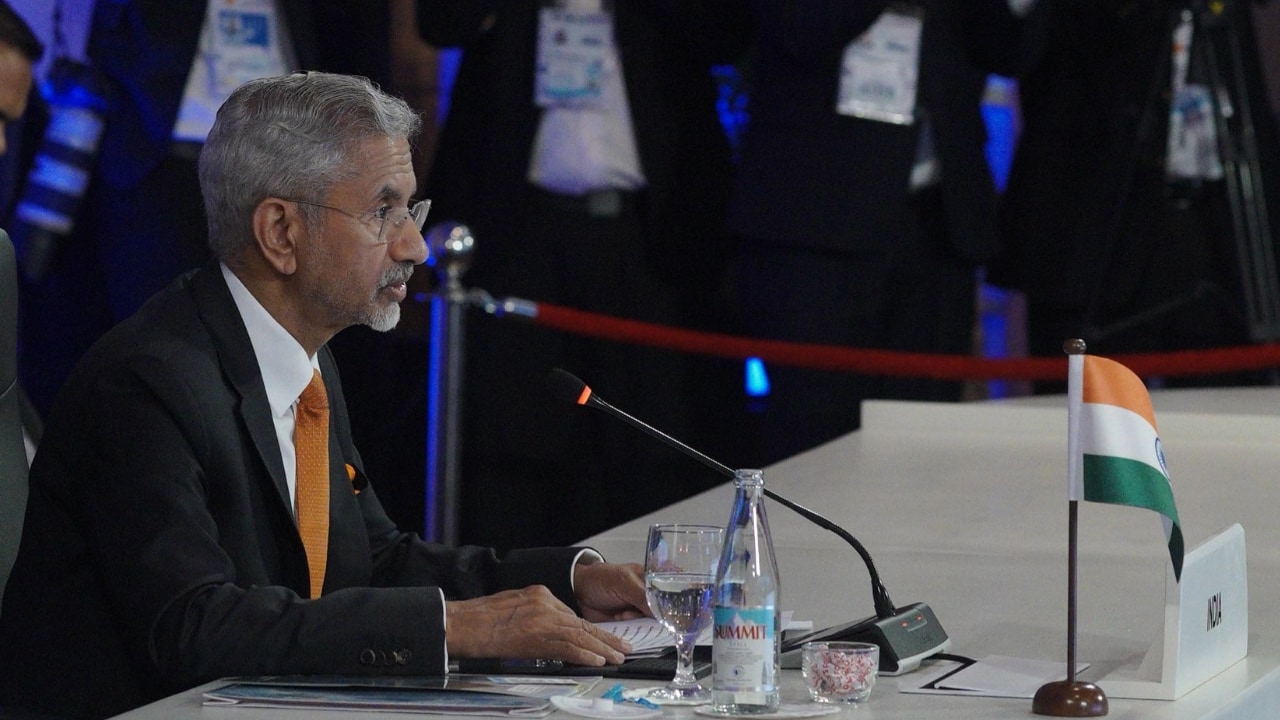
India supplies the largest share of H‑1B beneficiaries, especially in technology, engineering, healthcare, and finance. Stricter enforcement could mean longer processing times, heightened scrutiny, or even denials for Indian applicants. Indian IT firms that rely on U.S. placements may need to reassess staffing strategies and compliance protocols.
Future Policy Outlook
Congress currently caps new H‑1B visas at 65,000 annually, with an additional 20,000 set aside for U.S. advanced‑degree holders. If the current investigations translate into tighter regulations, the cap could be adjusted, or new eligibility criteria could be introduced. Analysts suggest that the move aims not only to curb fraud but also to protect domestic wage levels.
As the administration tightens oversight, American companies will be forced to adopt more transparent hiring practices for foreign talent, while foreign professionals will need to provide stronger documentation of their qualifications and bona fides.