Following attacks on commercial vessels, the US has launched massive airstrikes against Iran. President Trump vows a 20-fold retaliation as tensions peak in the Middle East.
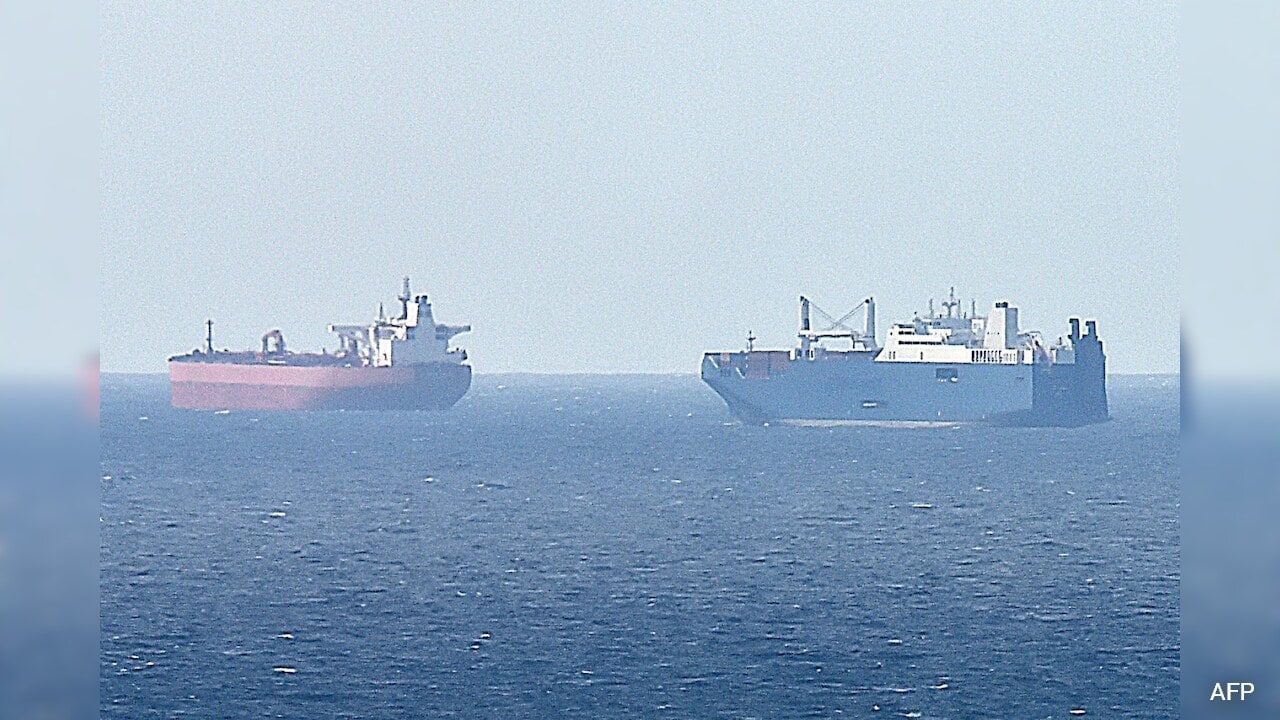
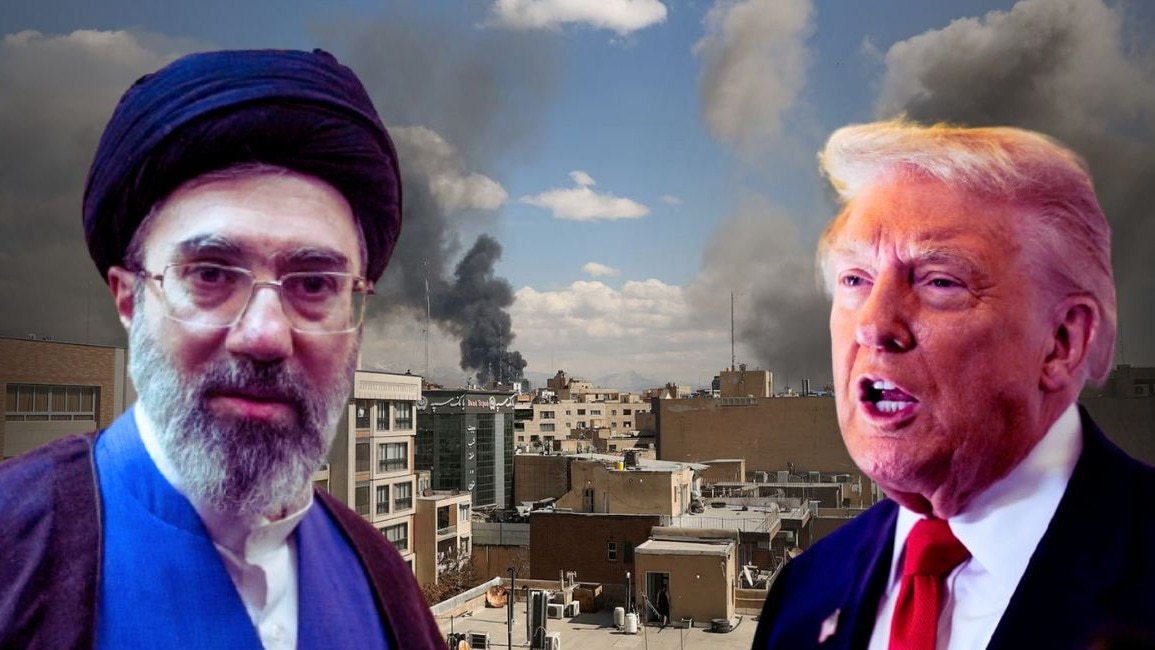
The geopolitical landscape of West Asia has shifted toward a high-stakes military confrontation. Following targeted attacks on commercial vessels in the strategically vital Strait of Hormuz, the United States has commenced large-scale aerial bombardments against Iranian targets. US President Donald Trump has adopted a hardline stance, declaring that any aggression against American interests or shipping will be met with a response 20 times more powerful. The US Central Command (CENTCOM) stated that these operations aim to neutralize Iran's military capabilities and safeguard international maritime corridors.
Panic in the Gulf: Regional Security on High Alert
The escalation has sent shockwaves across the Persian Gulf. Nations such as Qatar and Bahrain have issued high-security alerts, urging citizens to remain indoors. In Kuwait, military officials confirmed that their air defense systems were actively intercepting incoming missiles and drones, resulting in audible explosions across the country. While Gulf nations have expressed a desire to remain neutral, the proximity to the conflict zone has placed them in a state of constant readiness.
Iran's Defiance and IRGC Warnings
On the Iranian side, the Islamic Revolutionary Guard Corps (IRGC) has condemned the US strikes as unprovoked aggression. Iranian officials, including spokesperson Ibrahim Rezaei, have signaled that a massive counter-strike is imminent, using provocative language to warn Washington of a 'hard slap' from the Iranian people. Reports of explosions in major Iranian cities, including Bandar Abbas and Chabahar, suggest that the kinetic phase of this conflict is already underway.
Global Economic Implications
The volatility in the Strait of Hormuz poses a direct threat to the global economy. As one of the world's most critical oil transit points, any prolonged disruption could lead to an unprecedented surge in global energy prices. US Vice President JD Vance emphasized that the administration's primary objective is to keep the Strait open. However, with Iran accused of violating previous ceasefire agreements, the path toward a diplomatic resolution remains increasingly narrow.