The United States launched a high‑profile air raid on Iran that demolished the Shahid Terminal and a key China‑Iran bridge, both linked to Indian and Chinese interests. The incident escalated regional tensions and sparked a complex diplomatic scramble among the world’s major powers.
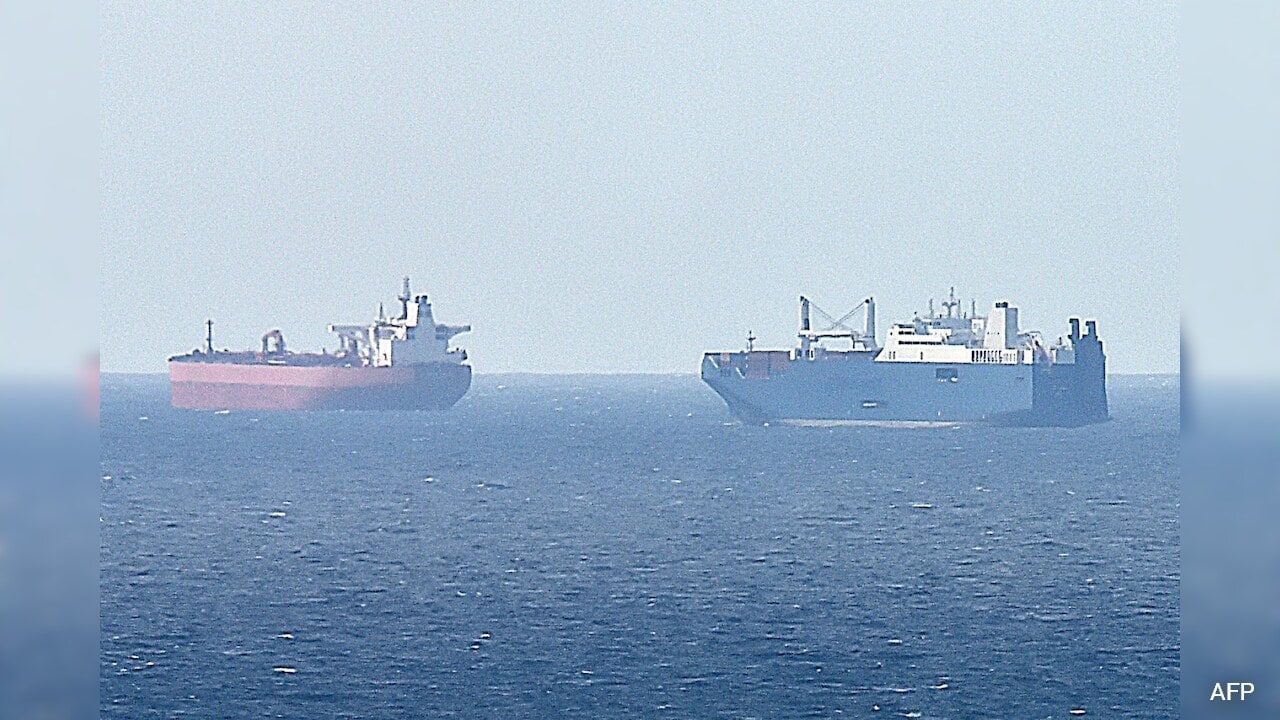
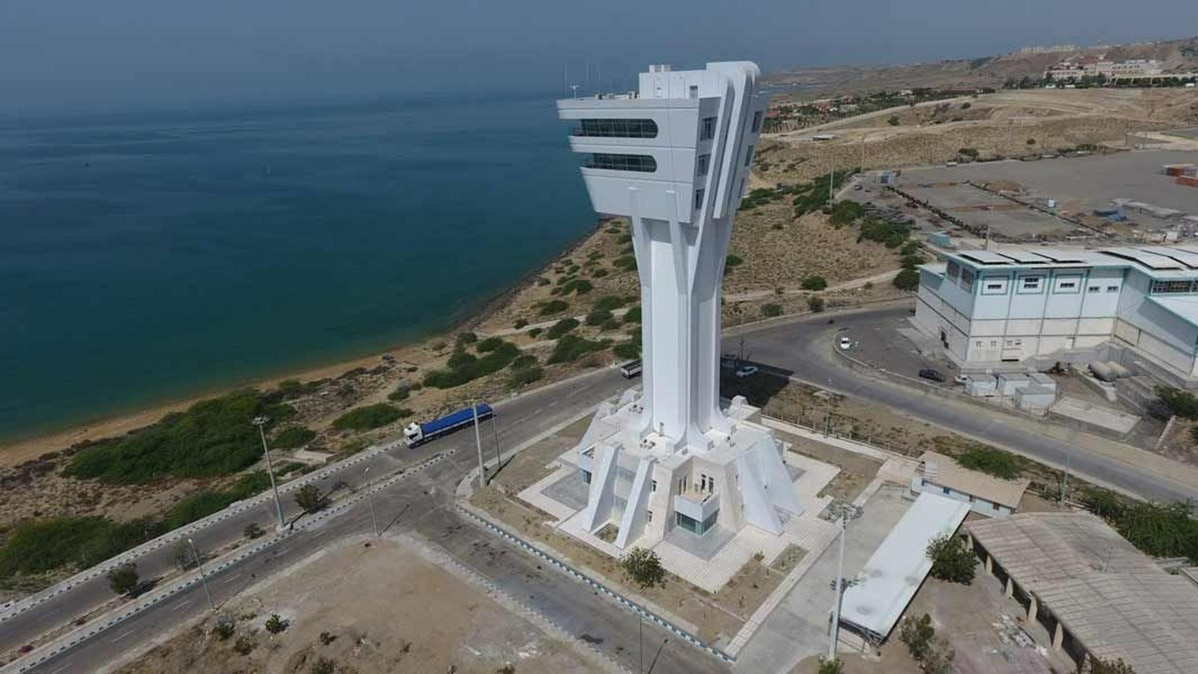
Last week the United States carried out a sweeping aerial operation over Iran, officially targeting Iranian‑backed militia sites and missile launch facilities. In the process, the Shahid Terminal – a critical oil export hub – and a strategic China‑Iran trade bridge were severely damaged, striking at assets tied to Indian and Chinese firms.
Strategic motives behind the raid
U.S. officials insisted the primary objective was to degrade militia command‑and‑control nodes. Yet intelligence analysts note that the selected strike zones overlapped with dual‑use infrastructure: the Shahid Terminal not only handles petroleum shipments but also serves as a logistical gateway for foreign commercial fleets, while the China‑Iran bridge is a flagship component of Beijing’s Belt‑and‑Road initiative that channels Indian‑Chinese trade through the Middle East.
India and China react
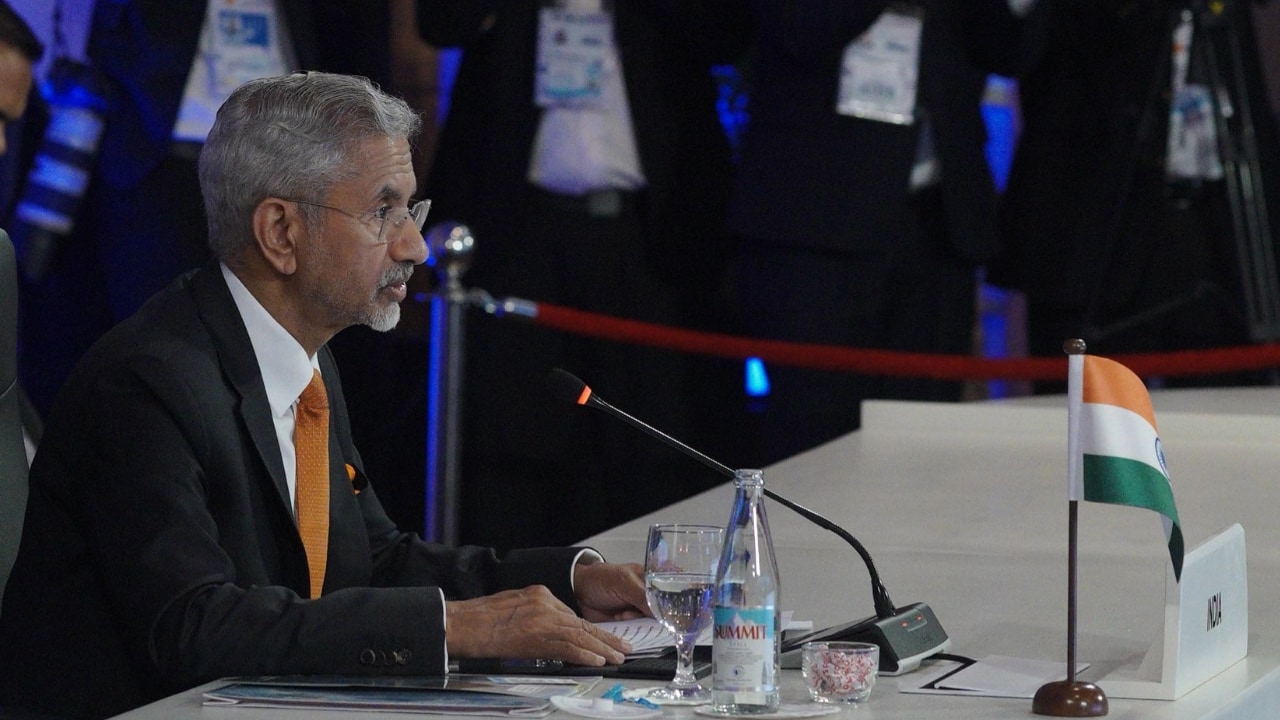
India’s Ministry of External Affairs expressed “deep concern” over the collateral damage to Indian‑linked facilities and pledged to raise the issue at multilateral forums. Beijing’s embassy issued a statement calling any attack on the China‑Iran bridge “unacceptable” and pledged cooperation with Tehran on reconstruction efforts. Both capitals have jointly urged a special session of the United Nations Security Council to address the incident.
Regional and global ramifications
The strike adds another volatile layer to an already fraught Middle‑East security environment. With U.S.–Iran relations at a breaking point, the inadvertent impact on Indian and Chinese assets could shift the strategic calculus for all three powers. Experts warn that Washington’s show of force may legitimize a larger American military footprint in Iran, while Beijing and New Delhi may be forced to diversify supply routes and reconsider exposure to high‑risk zones.
Looking ahead
International bodies are now calling for an independent investigation into the unintended damage. Should the United States be deemed responsible for excessive collateral damage, diplomatic negotiations with Tehran could stall further, while India and China will likely accelerate protective measures for overseas infrastructure. Meanwhile, reconstruction of the Shahid Terminal and the bridge has already begun, with Russian and European contractors joining the effort.