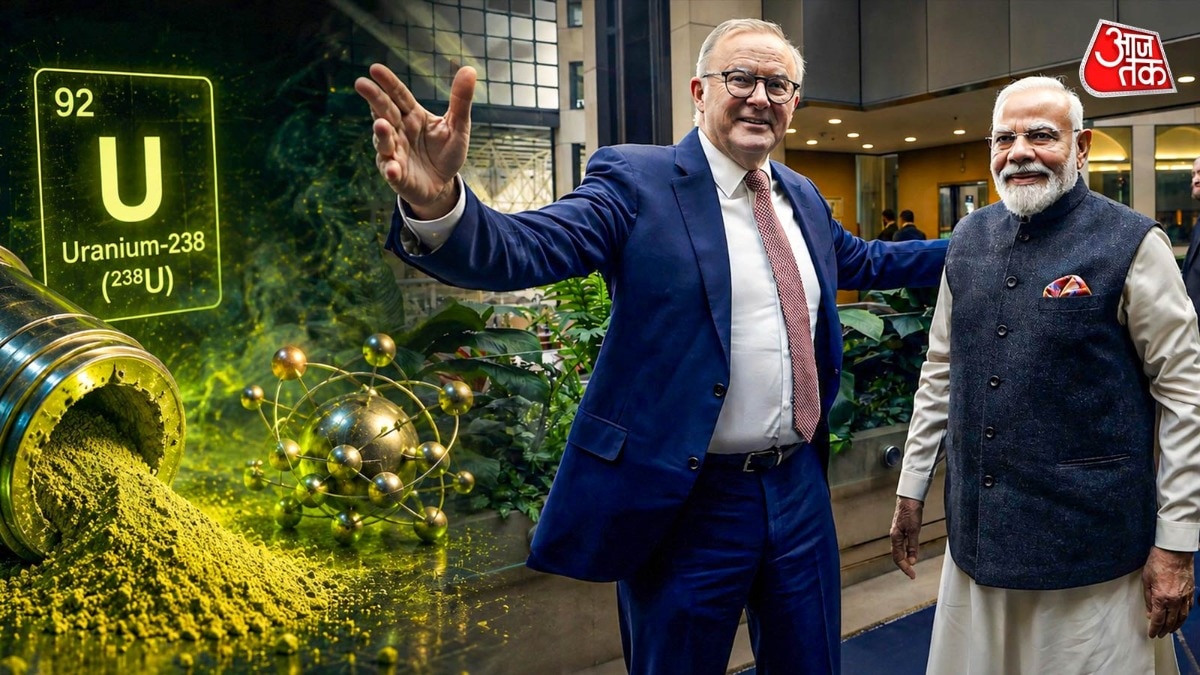
Australia, holding roughly a third of the world’s recoverable uranium, has now committed to a steady supply for India. After years of denial, the 2014 agreement marks a new chapter in the strategic partnership between the two nations.
Australia possesses about 28‑30% of the world’s known recoverable uranium reserves, making it a pivotal global supplier. The high‑grade ore is concentrated in South Australia’s Olympic Dam, the Ranger‑Jabiluka project in the Northern Territory, and mines across Western Australia. India, aiming to lift its nuclear power capacity beyond 22 GW, needs a reliable source to secure its energy future.
Background
Australian uranium is not chemically unique, but it is economically attractive. Low impurity levels reduce extraction and processing costs, while the country’s stable democracy and strict adherence to non‑proliferation norms (NPT) make it a trustworthy exporter. These factors have positioned Australia as a preferred supplier for many energy‑intensive nations.
Historical Journey: From Prolonged Denial to the 2014 Deal
After India’s 1974 Pokhran‑I test, Western powers, including Australia, grew wary. In 1978, Australia adopted a policy to sell uranium only to NPT‑signatory states. India regarded the treaty as discriminatory and refrained from signing. Even after the 1998 Pokhran‑II tests, the ban persisted. A brief window opened in 2007 under Prime Minister John Howard, but the subsequent Labor government reinstated the restriction.
The 2008 India‑U.S. civil nuclear agreement and the NSG waiver acknowledged India’s separation of civilian and military programmes, building confidence in the international community. During Prime Minister Tony Abbott’s 2014 visit to India, a civil nuclear cooperation agreement was signed, allowing Australia to become the first non‑NPT country to sell uranium to India. The arrangement took effect in 2015.
Strategic and Economic Significance
India’s domestic uranium reserves are limited and largely low‑grade. A steady flow from Australia enhances energy security, lowers fuel costs, and supports the nation’s goal of affordable electricity. The partnership also reinforces the QUAD (India, USA, Japan, Australia) framework, providing a strategic counterbalance to China’s growing influence in the Indo‑Pacific.
Why This Matters?
The Australia‑India uranium pact directly impacts India’s net‑zero targets, nuclear energy expansion, and regional power equilibrium. It also re‑establishes a reliable supply line at a time when global uranium demand is surging.
Future Outlook
As India pilots thorium‑based reactors, uranium will remain essential for the early stages of its nuclear programme. Potential shifts in Australian export policy, stringent IAEA oversight, and deepening defence cooperation could further solidify the deal, shaping the strategic landscape for years to come.