Tensions between Washington and Tehran have reached a breaking point following massive US airstrikes on Iranian military targets and retaliatory strikes by Iran on Gulf allies.
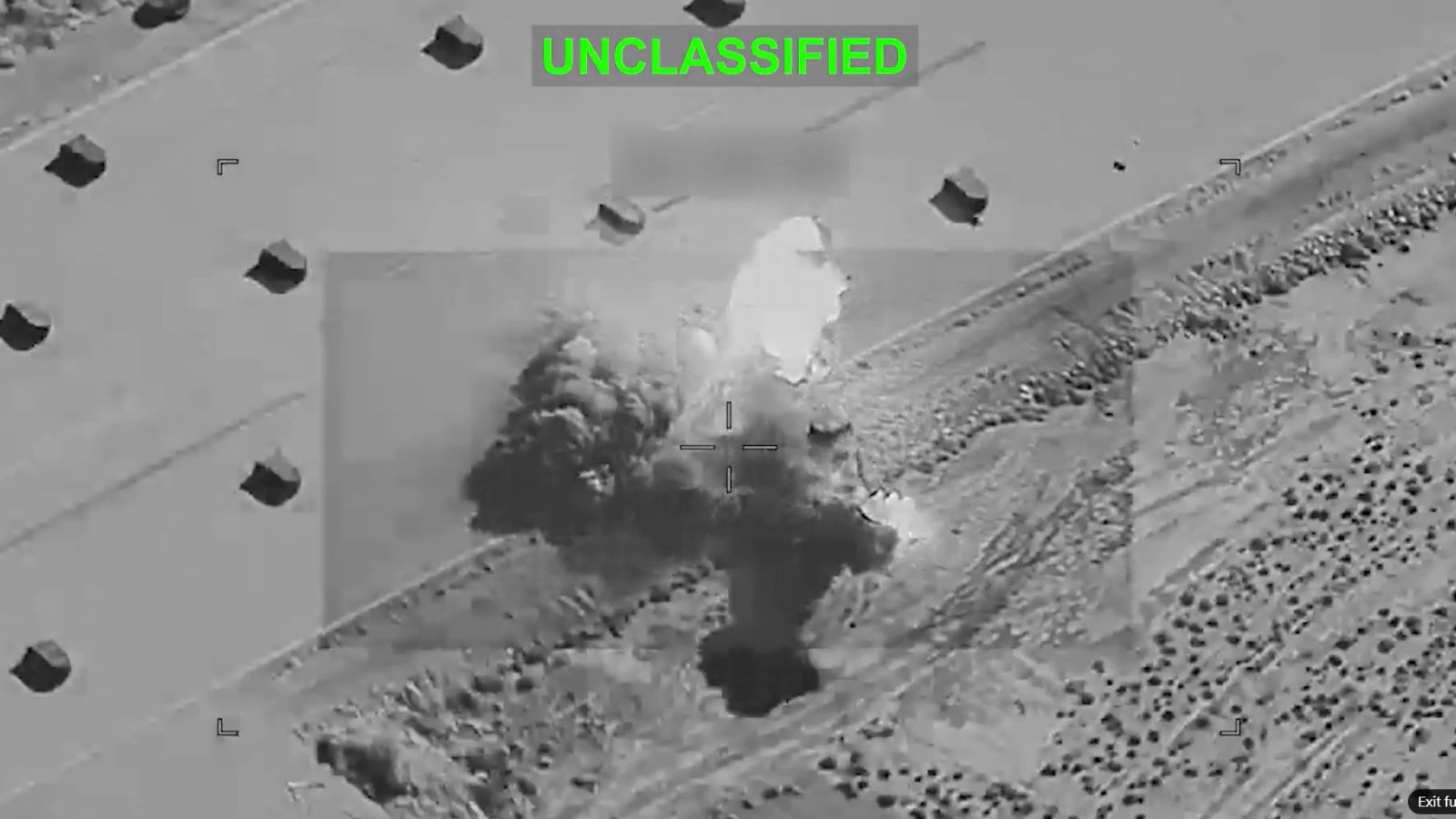
The fragile peace in the Middle East has shattered as the United States launched a massive wave of airstrikes against Iran, hitting approximately 90 strategic targets. This military escalation comes directly after President Donald Trump issued a stern warning that the ceasefire agreement would be rendered void if Tehran continued to threaten maritime security in the Strait of Hormuz. The strikes mark a definitive end to the memorandum of understanding signed on June 17, which was intended to pave the way for lasting peace.
Decimating Iran's Military Infrastructure
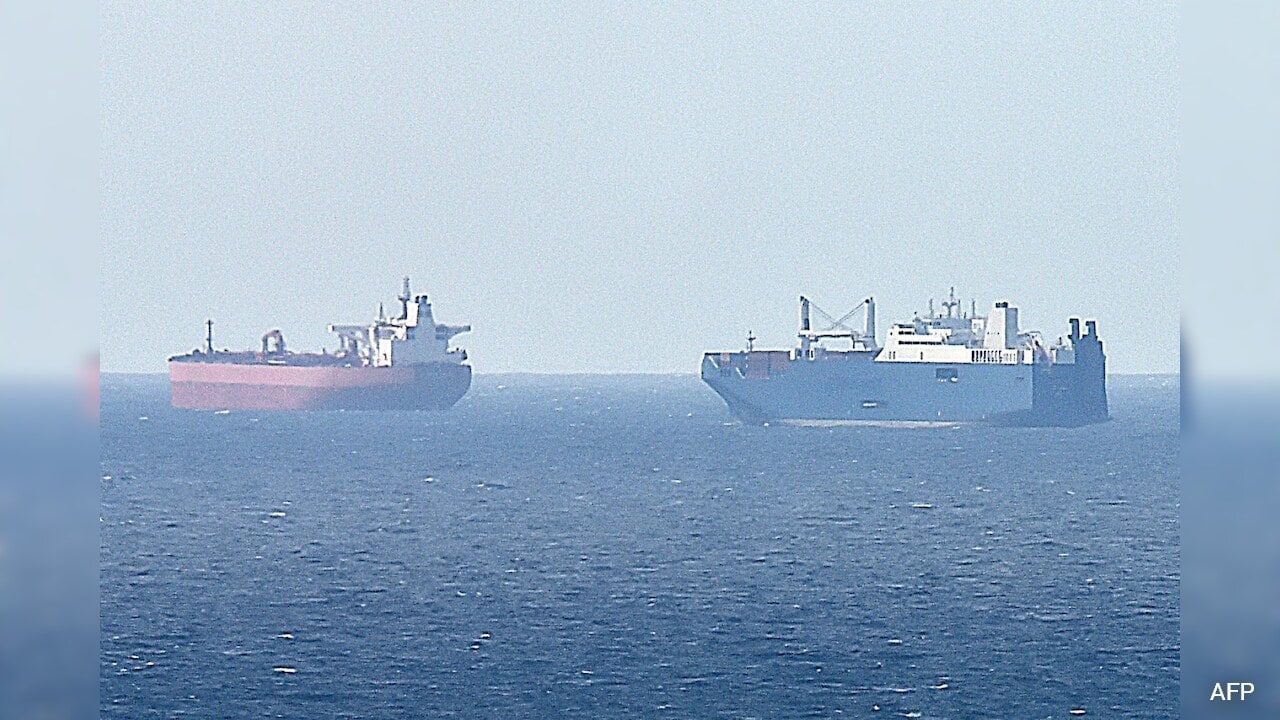
According to the U.S. Central Command (CENTCOM), the precision strikes were designed to degrade Iran's ability to disrupt global energy flows. The targets included missile launchers, runways, air defense systems, and command-and-control networks. The strategic importance of the Strait of Hormuz cannot be overstated, as it serves as a corridor for nearly 20% of the world's oil and gas. By neutralizing IRGC-operated small boats and coastal radar installations, the US aims to secure international shipping lanes that have recently come under fire.
Retaliation and the Threat to Nuclear Facilities
The conflict has rapidly expanded beyond bilateral hostilities. Iran has responded by targeting assets linked to US allies, specifically Kuwait and Qatar. In a move that has drawn international condemnation, Tehran has accused Washington of conducting strikes near its sole civilian nuclear power plant in Bushehr, labeling the action a potential war crime. Furthermore, the destruction of key bridges near Mashhad—vital trade links with China—has added a significant geopolitical layer to the kinetic warfare.
A Region on the Brink of War
The timing of this flare-up is particularly volatile, occurring amidst the funeral rites of the late Iranian Supreme Leader, Ayatollah Ali Khamenei. As the mourning continues, the threat of a wider regional war looms large. Israeli Defense Minister Israel Katz has signaled that Israel remains poised to intervene with "even greater force" if necessary. With oil prices reacting sharply to the news, the international community watches with bated breath as the cycle of retaliation threatens to engulf the entire Gulf region in a full-scale conflict.