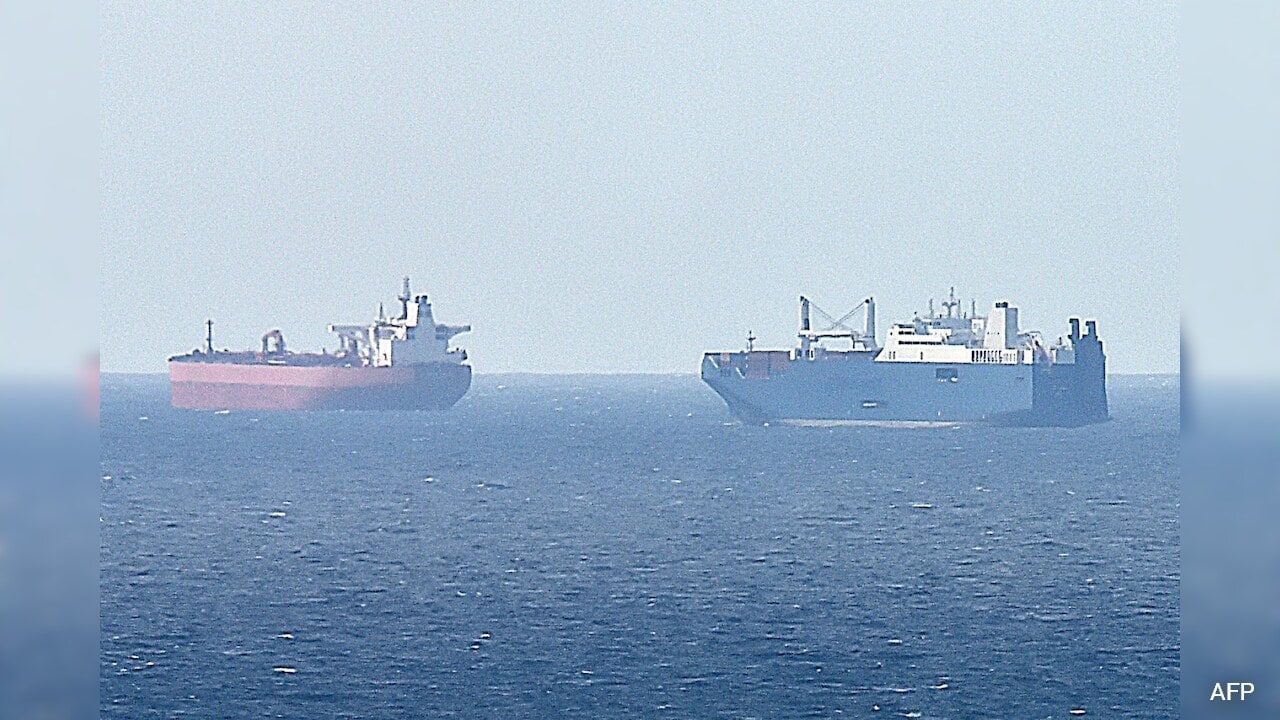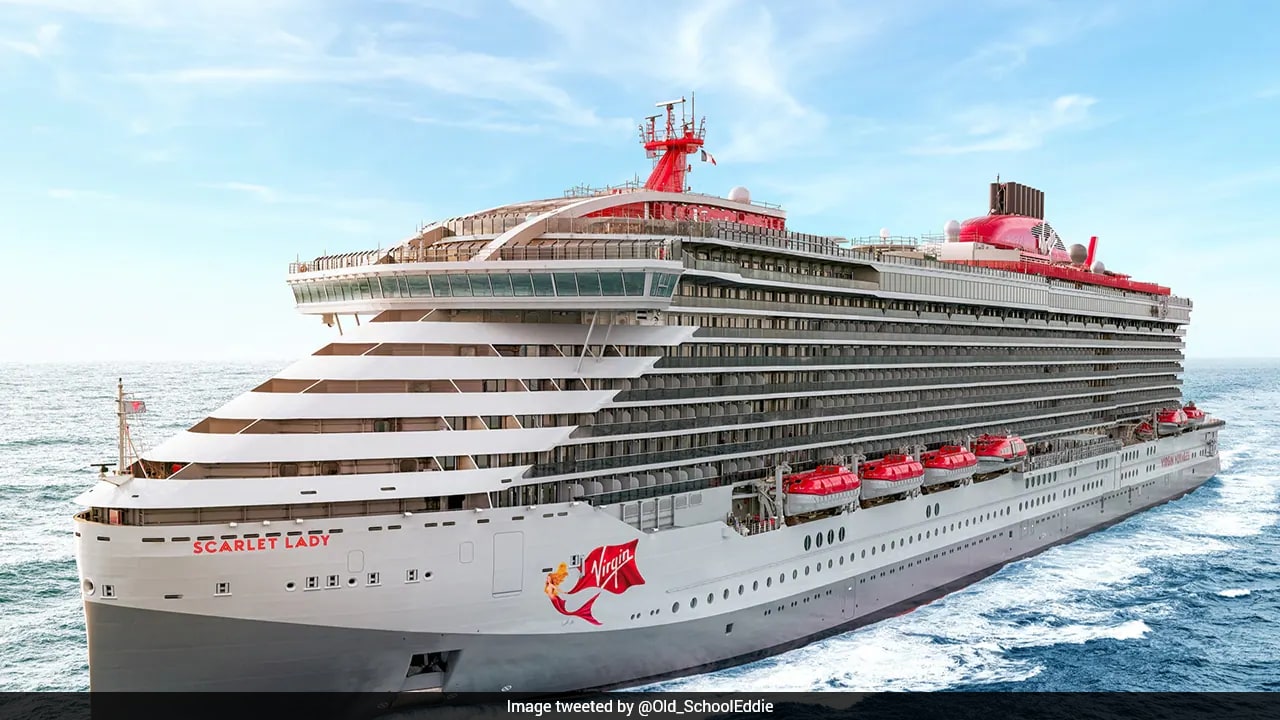
Virgin Voyages' 2,000‑guest cruise, chartered by LGBTQ+ travel specialist Atlantis Events, was denied entry to an Egyptian port. Passengers, including Broadway star Patti LuPone, found a note under their cabin doors announcing the ban. The move follows a similar denial in Turkey, raising questions about tourism rights and human‑rights obligations.
Broadway veteran Patti LuPone and more than 2,000 other travelers awoke on Thursday to a handwritten note slipped under their cabin doors stating that the cruise ship operated by Virgin Voyages and chartered by Atlantis Events would not be permitted to dock in Egypt. The sudden notice left passengers scrambling for answers and accommodations.
Background and Precedent
The voyage was marketed as an LGBTQ‑friendly experience, a niche that has grown rapidly as cruise lines seek inclusive markets. Atlantis Events, a global leader in LGBTQ+ travel, organized the itinerary after a high‑profile event in İzmir, Turkey, where the same vessel was also barred from entering the harbor. Both incidents have ignited a media firestorm over discrimination versus cultural norms.
Egypt’s Rationale: Legal and Social Dimensions
Egypt’s authorities cited “public order” and “cultural values” as the basis for the denial, asserting that the presence of a large LGBTQ+ gathering could contravene local customs. Critics, however, point to Egypt’s 2015 ratification of United Nations human‑rights treaties, arguing that the decision conflicts with international obligations to protect non‑discriminatory rights.
Implications for the Cruise Industry
The cruise sector has increasingly tailored products for LGBTQ+ travelers, recognizing their spending power and demand for safe spaces. A ban of this magnitude threatens revenue streams and brand reputation. Virgin Voyages has signaled it may appeal the decision, while Atlantis Events is offering refunds and alternate itineraries to affected guests.
Political and Diplomatic Repercussions
Both Egypt and Turkey now face heightened scrutiny from the European Union and United Nations, which have called for transparent, rights‑respecting policies. The controversy underscores a broader clash between sovereign cultural policies and the global push for equal treatment of all travelers.
Why This Matters?
This denial challenges the growing norm of inclusive tourism and forces a re‑examination of how international travel law balances cultural sovereignty with human‑rights standards. Future legal disputes could reshape port‑access agreements and affect multinational tourism contracts.
Industry analysts warn that cruise lines must develop more flexible routing and crisis‑management strategies to mitigate similar disruptions, ensuring that passenger rights are not sidelined by regional politics.