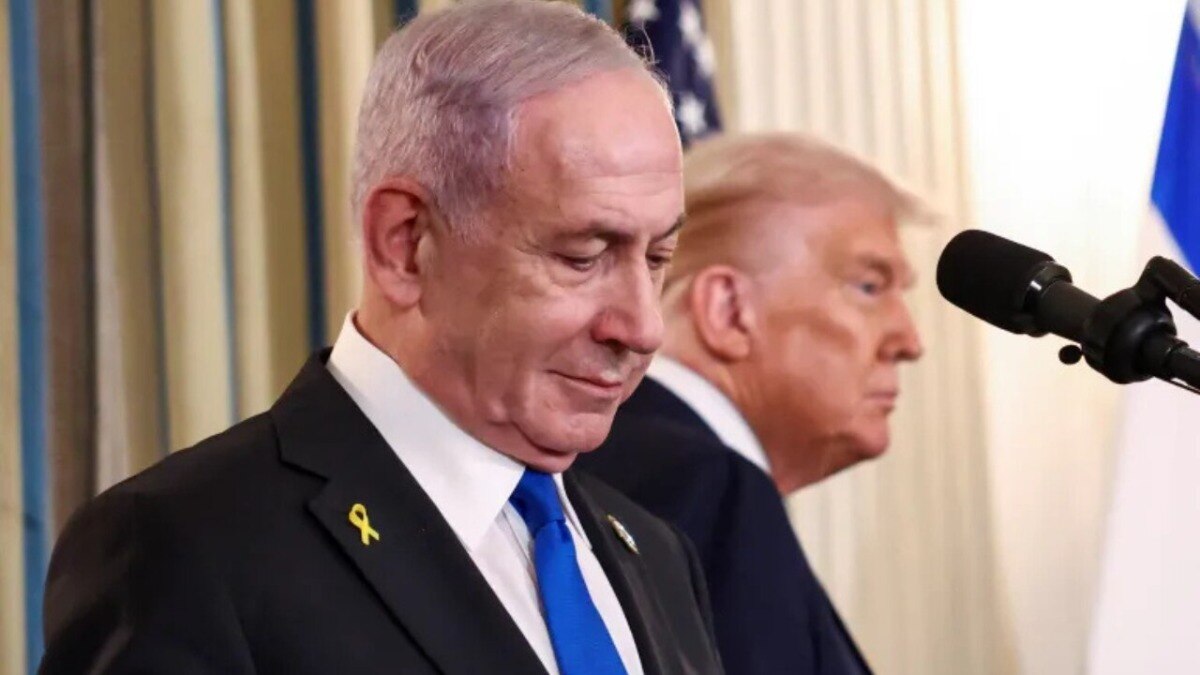
Amid rising US‑Iran tensions, Israel signals readiness for a fresh military push against Tehran. Prime Minister Benjamin Netanyahu is waiting for a clear green light from President Donald Trump, while the IDF maintains that no direct combat deployment is planned yet.
Key Takeaways
- Israel is preparing to participate in a potential US‑led strike on Iran.
- Prime Minister Netanyahu is awaiting explicit approval from President Trump.
- The IDF remains on high alert but has not committed to immediate combat.
Background
U.S.–Iran relations have been volatile for two decades, especially after the 2015 Joint Comprehensive Plan of Action (JCPOA) collapsed under the Trump administration. Washington re‑imposed sweeping sanctions and expanded its naval presence in the Persian Gulf, while Israel has consistently regarded Tehran as an existential security threat due to its nuclear ambitions and support for Hezbollah.
Current Developments
According to reports published on July 10, 2026, Israeli Defense Forces (IDF) officials state that they are fully prepared for any scenario but are not yet planning to join the direct US‑Iran confrontation. A senior Israeli officer told local media, “If the need arises, we will act – we have done so alongside the United States before.” The same sources stress that Netanyahu’s cabinet is waiting for a definitive “OK” from President Trump before any operational move.
Potential Outcomes
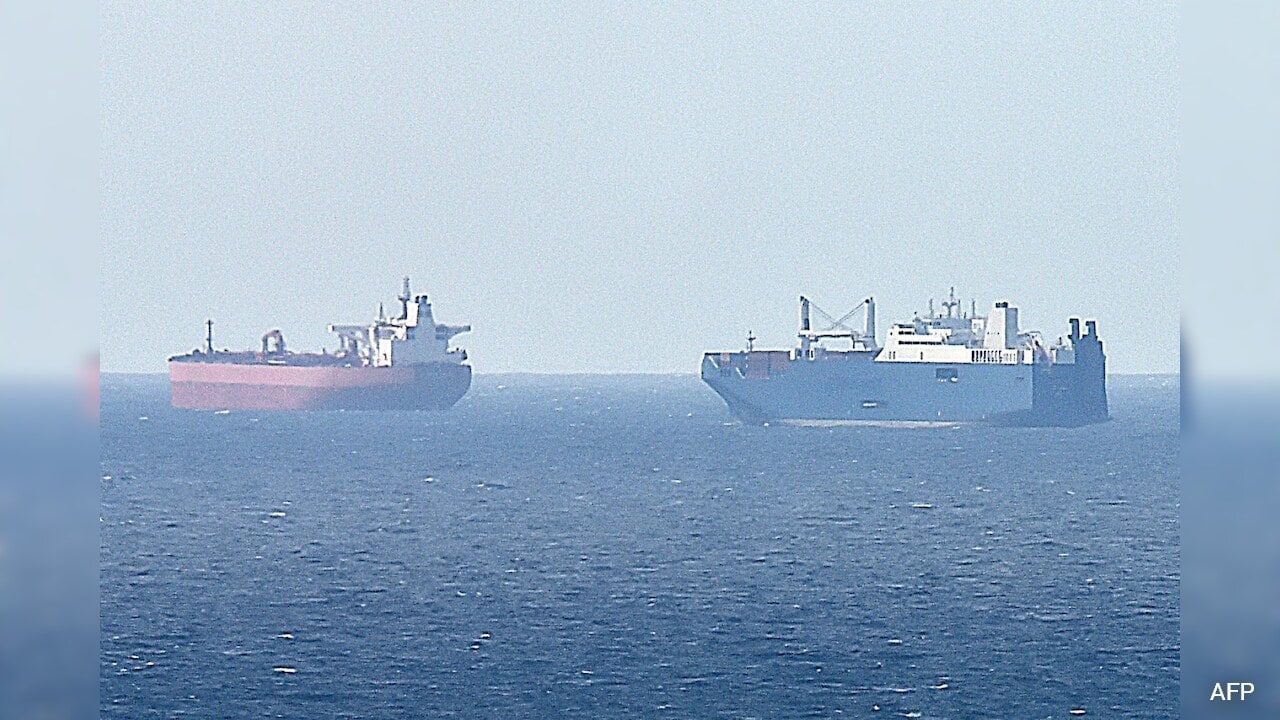
Should President Trump grant the green light, two primary scenarios could unfold. First, a joint US‑Israeli air‑and‑sea campaign targeting Iranian naval assets in the strategic Strait of Hormuz, potentially disrupting global oil shipments. Second, a targeted ground or special‑operations strike on Iranian nuclear facilities, which could trigger a broader regional retaliation from Tehran and its proxies. Both pathways would force Gulf allies—Saudi Arabia, the UAE, and Turkey—to reassess their security postures.
Expert Analysis
International‑relations scholar Dr. Anjali Mehra notes, “Israel’s move is as much political as it is strategic; it wants to reaffirm its role as Washington’s reliable partner in the Middle East.” Conversely, U.S. security analyst John Rivers warns, “An un‑legitimized strike could embolden Iran’s regional allies and deepen long‑term instability.”
In sum, Israel’s readiness hinges on a presidential nod, and that decision will reverberate far beyond the immediate battlefield—affecting global energy markets, regional security architectures, and the broader diplomatic calculus between Washington and Tehran.