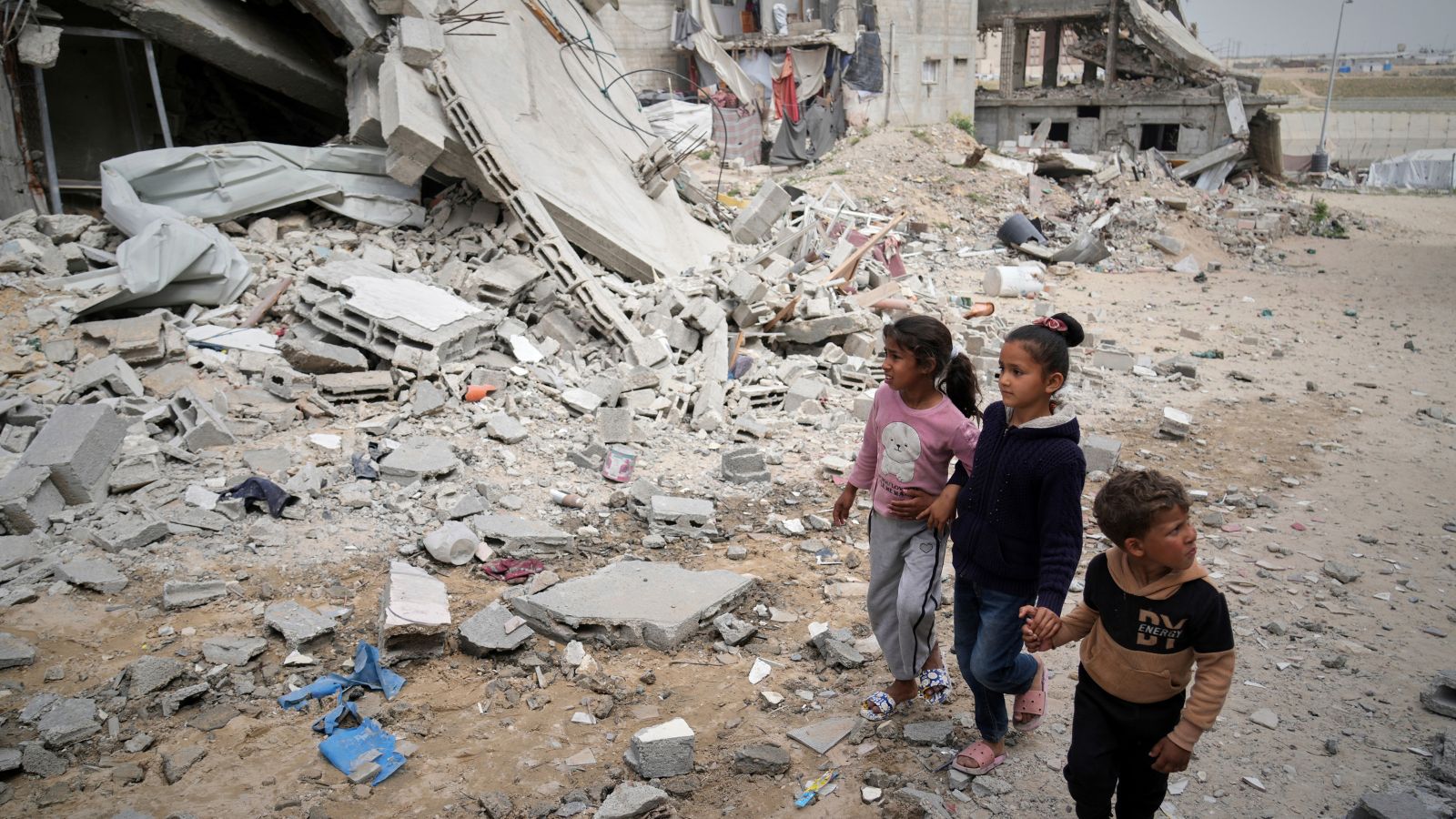
A UN inquiry has documented the systematic killing, starvation and torture of children in Gaza, challenging the limits of international law. The findings force global leaders to confront a humanitarian catastrophe that can no longer be brushed aside.
Key Takeaways
- UN commission confirms over 20,000 child deaths in Gaza.
- Israeli forces used drones and thermal cameras to target children.
- Report intensifies diplomatic pressure despite Israel's rejection.
The United Nations Commission of Inquiry on the Occupied Palestinian Territory, chaired by Justice S. Muralidhar, released a damning report detailing the deliberate killing, starvation and torture of Palestinian children. The document records more than 20,000 child fatalities and 44,000 injuries, accounting for roughly 30 % of all deaths in the occupied territories.
Historical Context and International Law
Since the post‑World War II era, international humanitarian law has tried to shield civilians through a vocabulary of “civilians,” “proportionality,” and “collateral damage.” This linguistic distance often obscures the raw human suffering. The new report shatters that distance, confronting the world with stark testimonies that children are being treated as “game pieces” by armed forces.
Key Findings from the Report
Testimonies from Israeli Defence Forces (IDF) soldiers reveal the use of high‑precision quadcopter drones and thermal imaging to identify children by body size on screens. An anonymous soldier remarked, “(Using drones in Gaza) feels like a game. You can sit in some basement, helmet off, half‑dressed, and kill Palestinians.” The precision is chilling: a ten‑day‑old infant was shot cleanly through the head while being breast‑fed, and a disproportionate number of children suffered single‑shot wounds to the head or neck.
Political and Diplomatic Ramifications
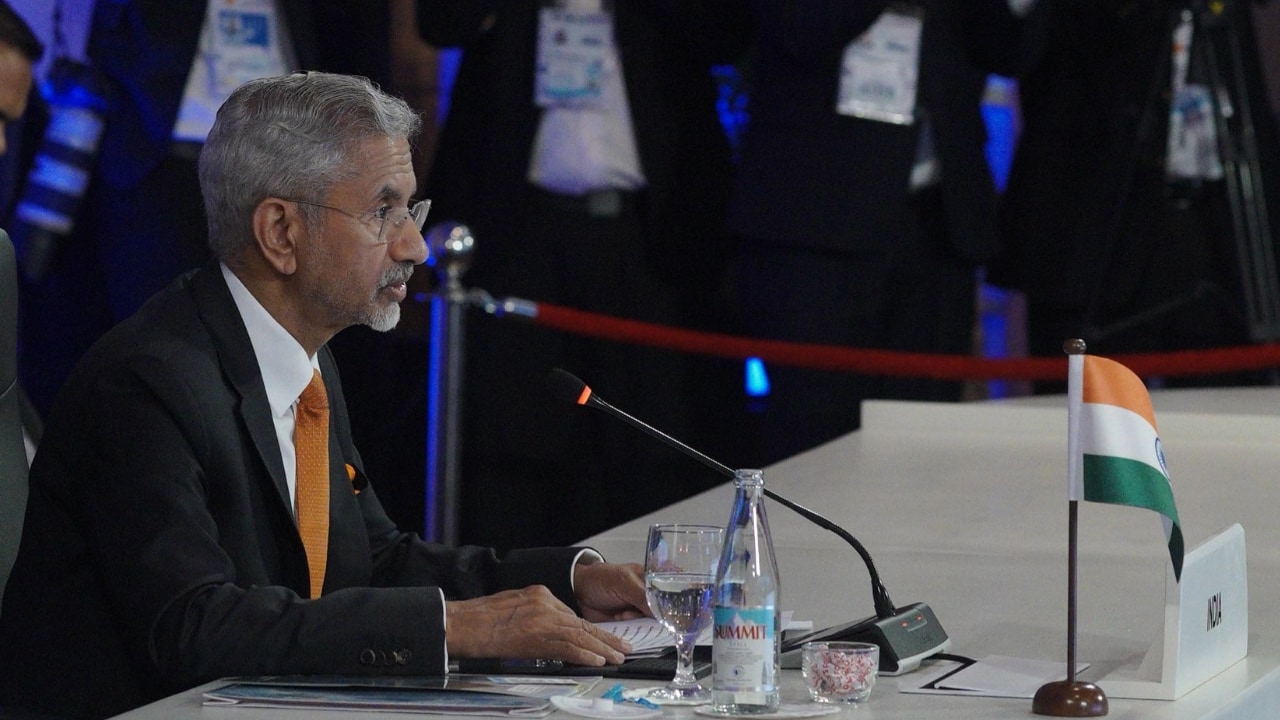
Israel has dismissed the report as biased, insisting its soldiers act within the bounds of international law. Yet the very existence of this evidence in the UN record narrows the space for diplomatic rhetoric. Europe, the United States, India and the Global South now face a stark choice: continue to censure human rights violations elsewhere while ignoring a mass child extermination in Gaza.
Future Outlook and Moral Imperatives
Even if the commission’s findings never lead to a single prosecution, they create an immutable record that strips language of its protective veil. Once the images of children fleeing, hiding and appearing as tiny thermal signatures become part of the official UN archive, history will judge not when the world learned the truth, but what it did thereafter.