Unclaimed aerial strikes struck multiple locations in southern Iran after the United States concluded its air campaign. The attacks have reignited regional tension, while Tehran remains silent on the perpetrators.
Key Takeaways
- Unidentified airstrikes hit Iran following the end of U.S. operations
- Iranian officials have not publicly assigned blame
- The United Arab Emirates warned of repercussions for U.S. cooperation
On July 9, 2026, a series of mysterious, unclaimed aerial strikes rained down on southern Iran, coinciding with the nation’s preparations to bury the late Supreme Leader Ayatollah Ali Khamenei. No official attribution has emerged, yet the incidents have layered fresh uncertainty onto an already volatile Middle‑East security landscape.
Background and Recent Developments
Over the preceding months, the United States launched a string of precision air raids targeting Iran’s strategic infrastructure, aimed at curbing Tehran’s nuclear ambitions and its proxies across the region. With those operations officially concluded, several critical sites—including the control tower at the Chabahar port—suffered damage from unknown aircraft. Iran’s theocratic leadership has refrained from naming a culprit, but a parliamentarian publicly warned the United Arab Emirates (UAE) over its alleged support for U.S. actions.
Regional Reactions and Potential Perpetrators
Gulf Arab states, long‑standing targets of Iranian retaliation since the conflict reignited on February 28, have not yet commented on the July 9 strikes. Meanwhile, Israel—under Prime Minister Benjamin Netanyahu—has maintained an aggressive posture against Tehran but has not launched a direct attack since June, often claiming responsibility for any strikes it deems part of its broader campaign.
Implications for the Strait of Hormuz and Global Trade
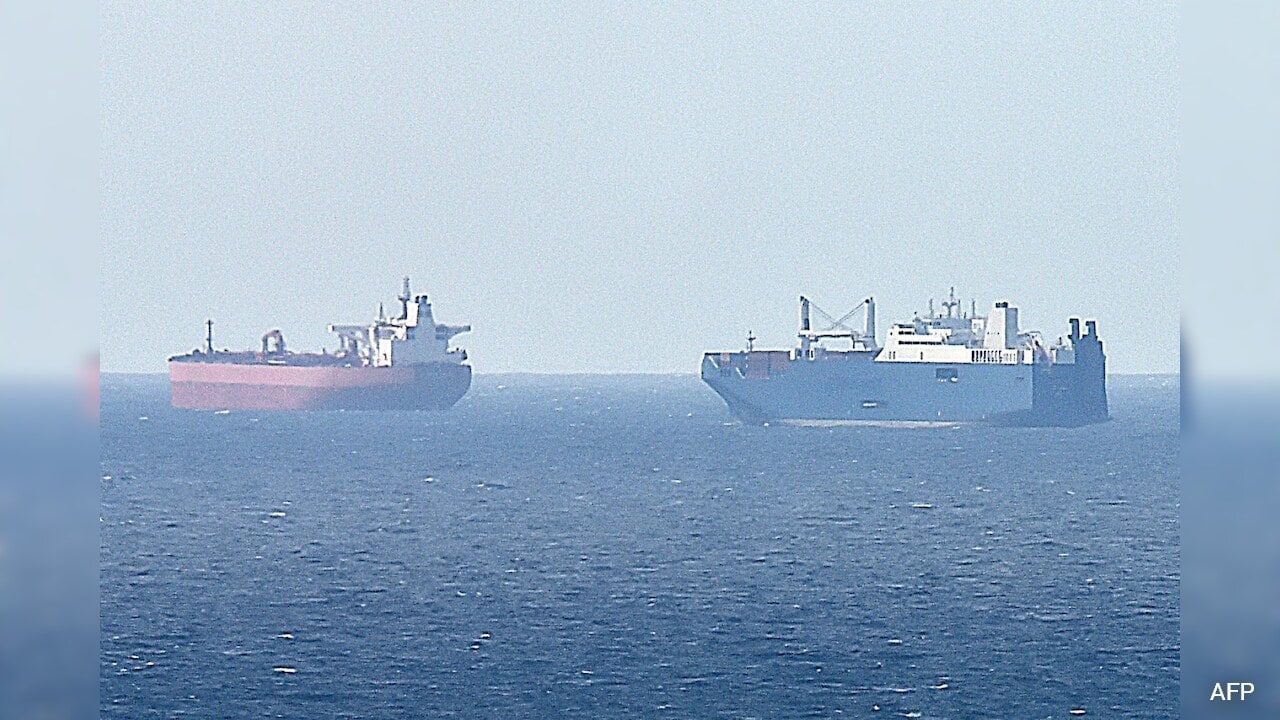
The mysterious attacks arrive at a time when both the UAE and the United States stress the necessity of keeping the Strait of Hormuz open for uninterrupted maritime traffic. Should the UAE face punitive measures for perceived cooperation with Washington, regional alliances could shift dramatically, affecting the flow of oil and gas through one of the world’s most critical chokepoints.
Expert Analysis
Security analysts suggest that internal power dynamics within Iran—where rival military and clerical factions vie for influence—might be leveraging such covert operations to advance distinct agendas. This layered ambiguity not only deepens Tehran’s domestic instability but also amplifies the risk of broader escalation across the Gulf, with potential ripple effects on global energy markets and shipping security.