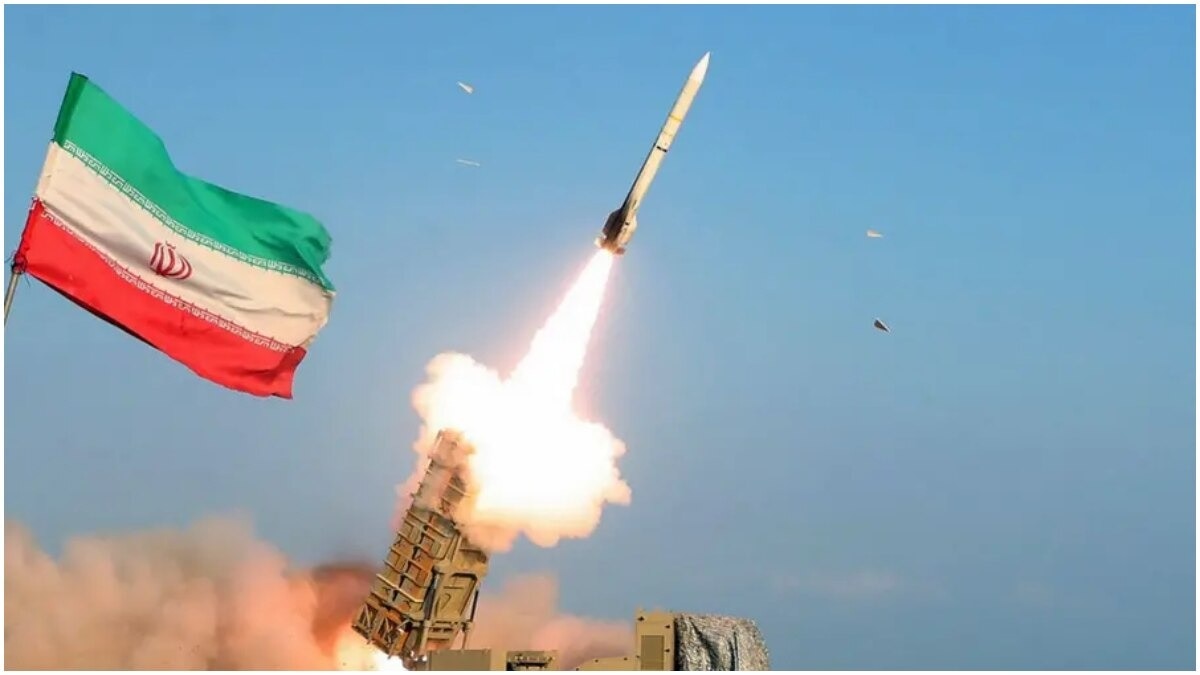
The US Central Command announced the end of its air campaign against Iran, yet missile blasts erupted over Chabahar and other southern provinces later that day. No party has claimed responsibility, reigniting tensions across the Middle East.
Key Takeaways
- US Central Command announced a halt to Iranian strikes, but fresh missile attacks followed
- Chabahar, Bushehr and Sistan‑Baluchestan were hit by unidentified projectiles
- Responsibility remains unclear, raising regional diplomatic strain
On July 10, the US Central Command declared at approximately 06:30 local time that it had completed its round of air operations against Iran. The statement was widely reported as a potential de‑escalation after months of escalating US‑Iran confrontations. However, within hours, Iranian state media reported a series of unexplained missile and bomb explosions targeting the southern port city of Chabahar, the Bushehr nuclear region, and the volatile Sistan‑Baluchestan province.
Historical Context
The US‑Iran rivalry dates back to the 1979 Islamic Revolution, with major flashpoints including the 2018 re‑imposition of sanctions, the 2020 drone strike that killed General Qasem Soleimani, and the ongoing dispute over the Strait of Hormuz. Earlier this year, Tehran warned Washington of retaliatory strikes after a series of US‑NATO naval exercises in the Gulf. The recent declaration of a cease‑fire was therefore seen as a diplomatic overture, not a final resolution.
Characteristics of the New Attack
Preliminary analyses suggest the missiles used were of a sophisticated class, possibly derived from Russian or Chinese technology, given their flight trajectory and impact radius. Targeting oil infrastructure near Chabahar indicates an intent to disrupt Iran’s export capabilities. While Tehran has not officially blamed any state, a member of parliament publicly warned the United Arab Emirates of alleged involvement in the broader US‑led campaign against Iran.
Regional Reactions and Potential Fallout
In swift retaliation, Iran launched air sorties against Bahrain, Jordan, Kuwait and Qatar, triggering missile alerts across those nations. The UAE’s ruler, Sheikh Mohammed bin Zayed Al Nahyan, travelled to Kuwait shortly after, suggesting high‑level diplomatic engagement among Gulf states. Israel, which has historically taken responsibility for strikes on Iranian facilities, reiterated its readiness to conduct a “Blue‑White” operation if Tehran’s actions threaten regional stability.
Looking Ahead
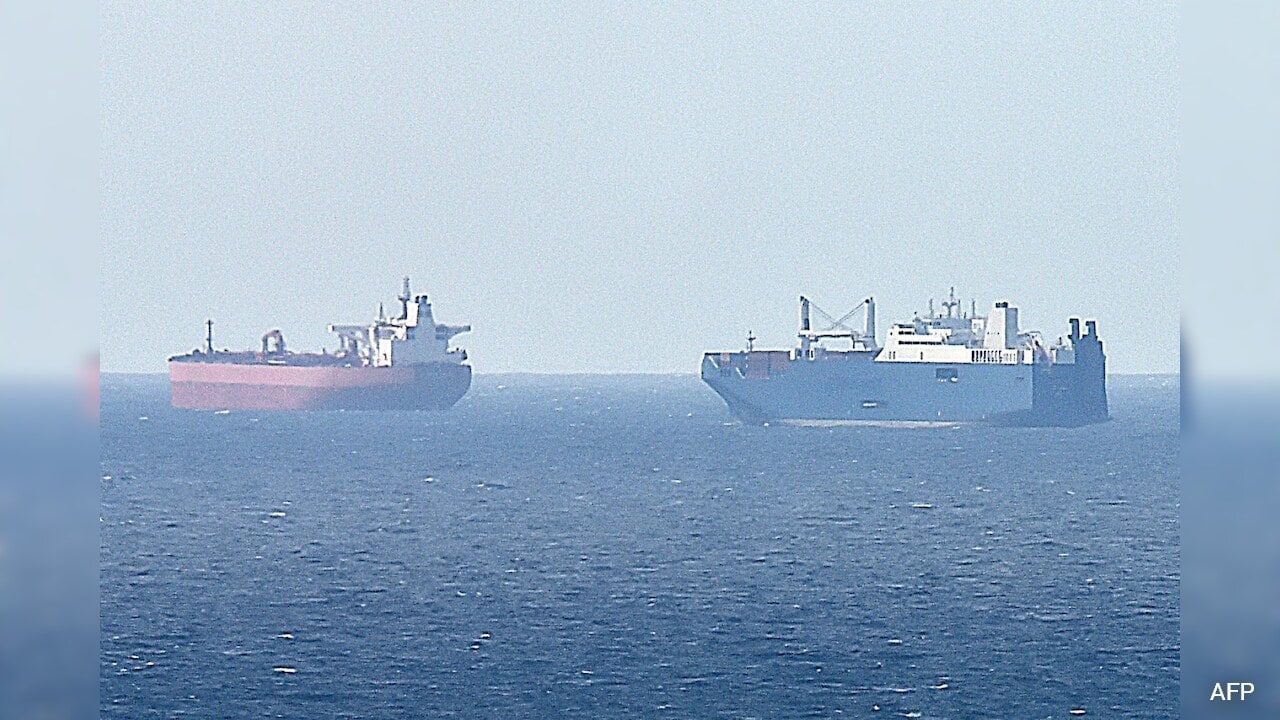
If responsibility for the Chabahar strike remains ambiguous, the risk of a renewed US‑Iran confrontation grows. International bodies, including the UN and the EU, are urging restraint to prevent a cascade of aerial engagements that could cripple global oil markets. The strategic tug‑of‑war over the Hormuz Strait—where Iran demands tolls and the US calls for free navigation—remains the fulcrum of this crisis.
Overall, the mysterious missile barrage underscores not only Iran’s internal security challenges but also a broader shift in Middle‑Eastern power dynamics, where covert operations and diplomatic signaling intertwine.