Pakistan has adopted the very arguments it once condemned—national security and economic preservation—when handling its long‑standing refugee population. This contradictory stance fuels domestic tension and undermines its credibility on the global stage.
मुख्य बिंदु (Key Takeaways)
- Pakistan is conducting large‑scale deportations of Afghan refugees.
- Official rhetoric cites security and economic concerns.
- Public calls for brotherhood clash with policy actions, drawing international criticism.
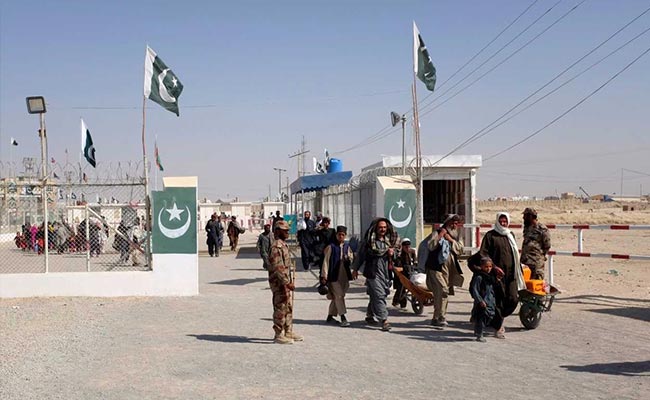
Over the past two decades, Pakistan has hosted roughly 15 million Afghan refugees, becoming the world’s largest host nation. While political discourse frequently invokes brotherhood and solidarity, administrative actions often tell a different story.
Historical Context
The influx began after the 1979 Soviet‑Afghan war, with refugees seeking safety across the Durand Line. Initially framed as a humanitarian response, many integrated into local tribal networks, creating enduring social bonds. Over time, the sheer numbers strained education, health and labor markets, sowing seeds of resentment among host communities.
Security and Economic Arguments
Pakistan’s current policy leans heavily on ‘national security’ and ‘economic preservation’ as justifications. Security agencies frequently allege that refugees could serve as conduits for extremist elements, while economic narratives claim that refugees burden welfare systems. Analysts argue that these rationales are selectively amplified to serve political ends rather than reflect objective assessments.
Brotherhood Rhetoric vs. Reality
Officials repeatedly champion messages of brotherhood and cooperation with Afghan refugees on national and international platforms. Yet, a surge in deportation orders—particularly during the summer of 2024—has eroded that narrative. International human‑rights groups have labeled the moves as ‘arbitrary’ and in violation of refugee protection norms.
Future Implications
If Pakistan persists with this dual‑track approach, it risks further alienating the refugee community, damaging its diplomatic standing, and destabilizing the broader region. The Afghan reconstruction agenda, already fragile, could be hampered by renewed displacement, while regional security dynamics may deteriorate.