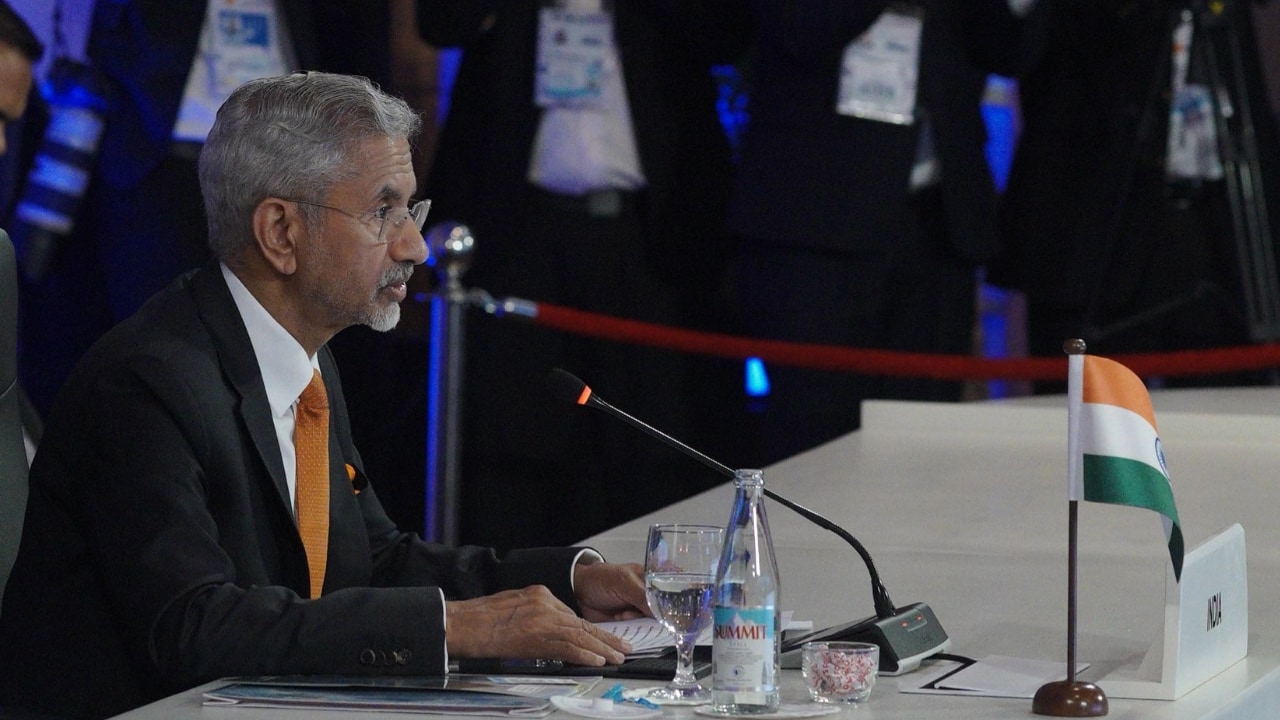
Prime Minister Narendra Modi leaves Australia after a three‑day tour and heads to New Zealand for a two‑day engagement focused on trade, energy and defence cooperation. The trip aims to deepen India’s strategic ties across the Indo‑Pacific.
Key Takeaways (मुख्य बिंदु)
- Three‑day Australia visit ends with landmark civil nuclear, maritime and critical minerals agreements
- Two‑day New Zealand stop focuses on tariff‑free trade, energy collaboration and defence ties
- India’s Indo‑Pacific strategy seeks to strengthen security and economic partnerships
Prime Minister Narendra Modi boarded a flight from Melbourne Airport, marking the final leg of a three‑nation tour that began in Indonesia, continued in Australia, and now proceeds to New Zealand. The itinerary underscores India’s intent to weave a tighter strategic fabric across the Indo‑Pacific region, linking trade, energy and defence under a single diplomatic umbrella.
Landmark Agreements in Australia
During a three‑day stay in Australia, Modi and Prime Minister Anthony Albanese signed a suite of agreements covering civil nuclear energy, maritime security and critical mineral supply chains. The civil nuclear pact, concluding over two years of negotiations, paves the way for commercial uranium shipments to fuel India’s expanding nuclear power programme. Both leaders hailed the deals as a “new era of strategic partnership,” reflecting a shift from bilateral goodwill to concrete, sector‑specific collaboration.
New Zealand: Trade‑Centric Dialogue
In New Zealand, Prime Minister Christopher Luxon has invited Modi for a two‑day bilateral dialogue aimed at deepening economic and commercial ties. Luxon announced that 57 % of New Zealand’s exports to India will be tariff‑free, a move designed to accelerate trade flows and reinforce supply‑chain resilience. Modi emphasised that the visit will build on the momentum generated by Luxon’s March 2025 trip to India, signalling a continuity of high‑level engagement.
Defence and Maritime Security Across the Indo‑Pacific
The Australian summit also spotlighted defence cooperation, especially in the maritime domain. Joint exercises, information‑sharing mechanisms and cyber‑security protocols were agreed upon to counterbalance rising regional tensions. Analysts view these steps as a clear response to China’s expanding naval footprint, positioning India as a pivotal security partner in the region.
Strategic Implications and Future Outlook
Collectively, the agreements and dialogues signal a maturing Indian foreign policy that balances economic outreach with strategic security imperatives. If implemented effectively, the trilateral framework could transform the India‑Australia‑New Zealand axis into a cornerstone of Indo‑Pacific stability, providing a model for multilateral cooperation in a contested geopolitical landscape.