Three Thai crew members who survived the March attack in the Strait of Hormuz have filed a lawsuit in Bangkok’s Central Labour Court seeking $30,000 each in compensation from Precious Shipping and related firms. They claim the attack caused severe PTSD and that they were prematurely dismissed.
Key Takeaways
- Three seafarers demand 1 million Thai Baht (~$30,000) each as compensation.
- Precious Shipping sent the vessel through Hormuz despite known security threats.
- After the attack, the crew were dismissed and now suffer severe PTSD.
Bangkok – July 10, 2026 – Three former crew members of a Thai bulk carrier have taken their employer, Precious Shipping, and two affiliated companies to the Central Labour Court, demanding substantial damages after surviving a missile‑style attack in the Strait of Hormuz. Each claimant is seeking 1 million Thai baht (approximately $30,000) in compensation, citing lasting psychological trauma.
Background
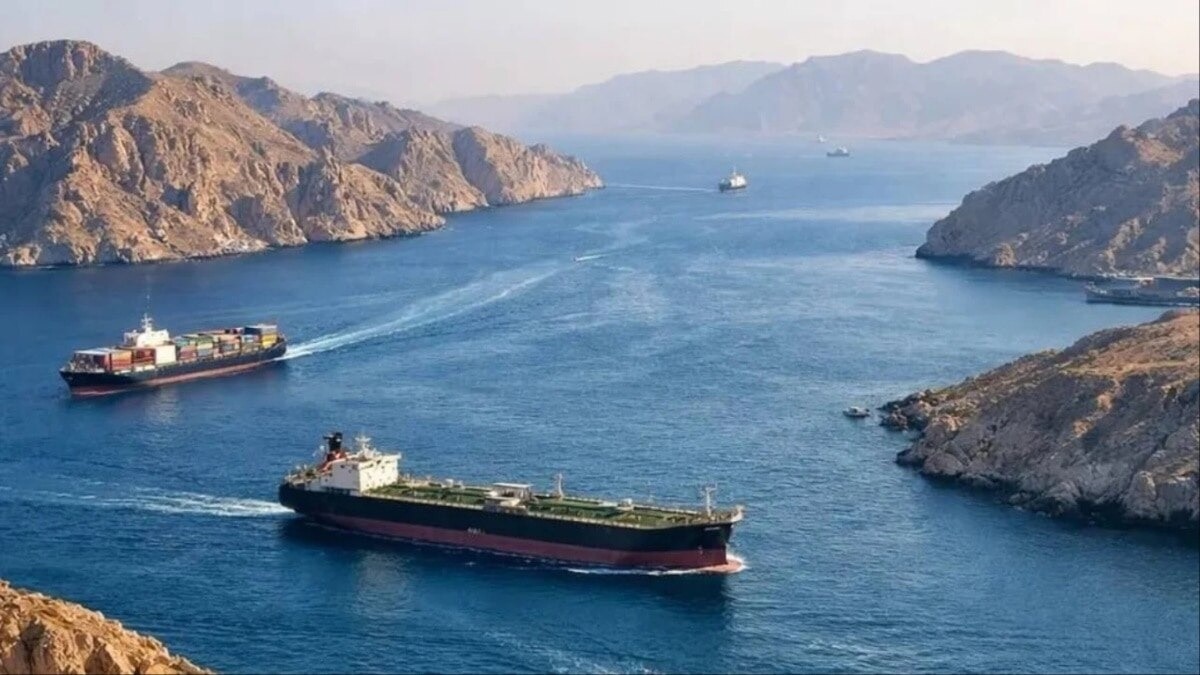
The Strait of Hormuz is one of the world’s most critical maritime chokepoints, channeling roughly 20 % of global crude oil and LNG shipments. Rising U.S.–Iran tensions have heightened security concerns for vessels transiting the waterway, prompting multiple calls from the International Maritime Organization (IMO) for stricter protective measures.
Details of the Incident
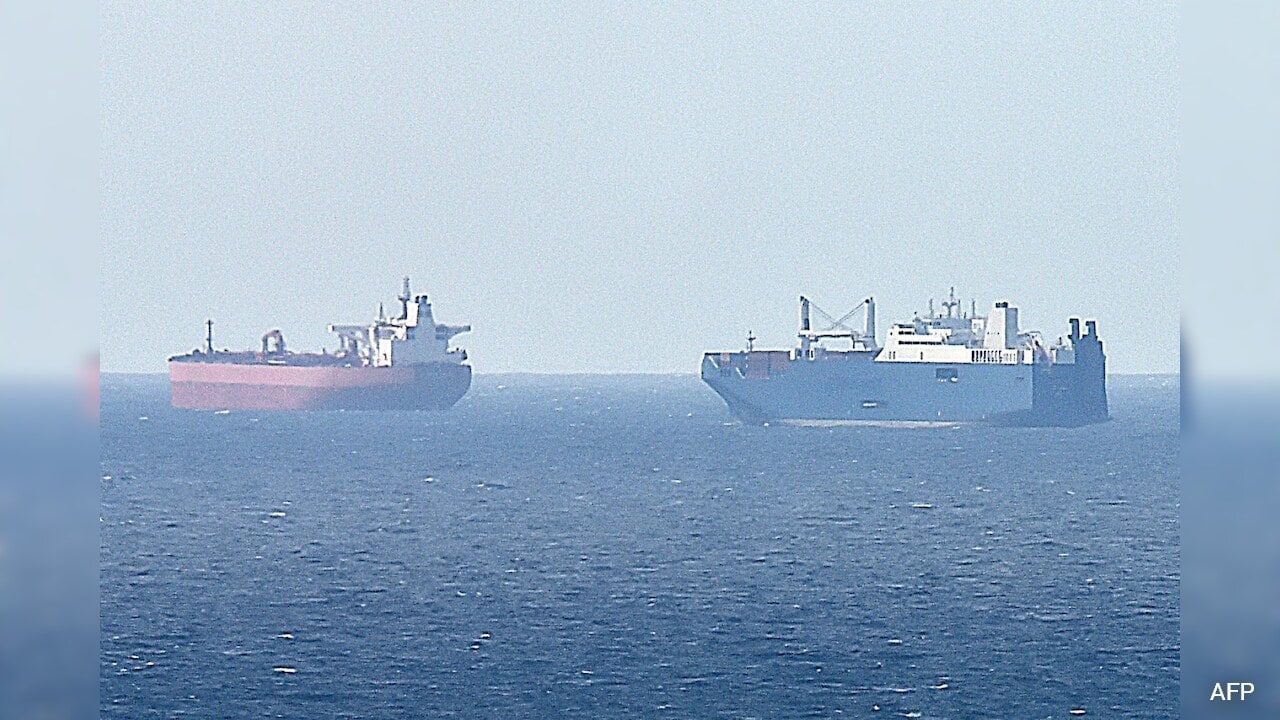
On March 11, 2026, the Thai bulk carrier ‘Mayuri Nari’ was struck near the northern entrance of the strait. The sudden assault killed three crew members on the spot, while the remaining 20 were rescued. Survivors Panithi Tumkaew, Noppadon Wongsuwan, and Suradet Manphuean recount that the blast’s noise and shock have left them with chronic post‑traumatic stress disorder (PTSD), making even a sudden sound a source of panic.
Legal Action
The seafarers’ counsel argues that Precious Shipping knowingly sent the vessel through a high‑risk zone despite documented threats, thereby endangering the crew’s lives. After the attack, the three men were dismissed before the end of their nine‑month contracts, receiving only two months’ salary as severance. Their lawyer notes that prior attempts to negotiate a settlement with the company failed, forcing the crew to seek judicial redress.
Regional and Global Implications
This lawsuit highlights not only labor‑rights issues for Thai seafarers but also the broader challenge of ensuring safety in geopolitically volatile sea lanes. If large shipping firms are not held accountable for negligent routing, other vessels and crews may face similar perils, potentially prompting a wave of litigation across the maritime industry.
Looking Ahead
International bodies such as the IMO and regional maritime security agencies must now accelerate the implementation of robust risk‑assessment protocols and mental‑health support mechanisms for seafarers. The outcome of this case could set a precedent for compensation standards, insurance coverage, and corporate responsibility in high‑risk maritime operations.