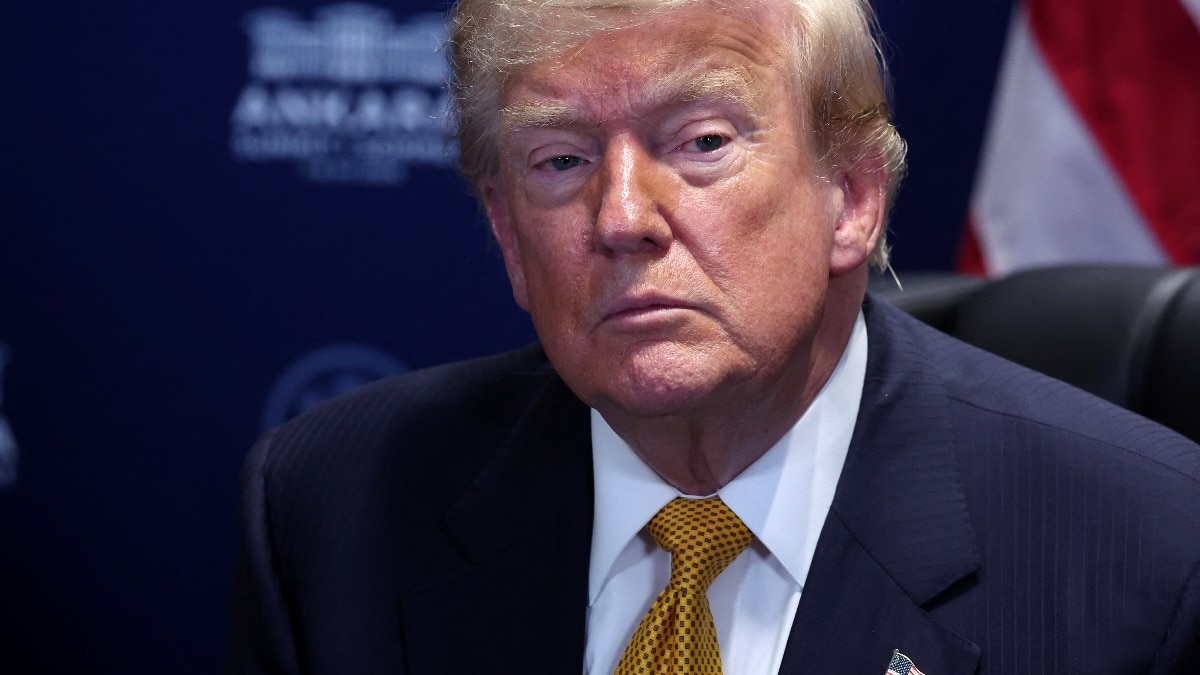
U.S. President Donald Trump announced that Iran has asked to continue talks, but the United States has unequivocally stated that the ceasefire between the two nations is over. The comment was posted on his Truth Social account without providing further details on the negotiations or the ceasefire itself.
Key Takeaways
- Iran seeks to resume diplomatic talks
- U.S. declares the ceasefire has ended
- The statement could heighten US‑Iran tensions
President Donald Trump’s recent post on Truth Social has reignited the already volatile relationship between the United States and the Islamic Republic of Iran. While acknowledging Tehran’s request to continue negotiations, Trump bluntly declared that "the cease fire is OVER!" The brief statement, signed as President Donald J. Trump, offers no insight into the nature of the talks or the specific ceasefire he referenced, leaving analysts to speculate on the broader strategic implications.
Historical Context
The US‑Iran rivalry dates back to the 1979 Islamic Revolution, which transformed Tehran from a US ally to a staunch adversary. The 2015 Joint Comprehensive Plan of Action (JCPOA) briefly eased tensions, only for the Trump administration to withdraw in 2018 and reinstate sweeping sanctions. Since then, the two nations have oscillated between limited diplomatic overtures and heightened military posturing, often mediated by European allies and the United Nations.
Trump’s Statement Explained
In his post, Trump wrote: "The Islamic Republic of Iran has asked us to continue 'talks.' We have agreed to do so, but the United States has stated to them, in no uncertain terms, that the Cease Fire is OVER!" The language underscores a hardline stance, suggesting that any future engagement will be conditioned on a clear termination of the tacit truce that may have existed after earlier de‑escalation efforts.
Potential Ramifications
If Tehran interprets the message as a rejection of any compromise, diplomatic channels could close, prompting a resurgence of proxy conflicts in the region. Energy markets may react sharply, given both nations’ pivotal roles in global oil supply. Moreover, allies such as the European Union, which have been trying to revive the JCPOA, may find their mediation efforts further complicated.
Looking Ahead
The coming weeks will reveal whether Iran will press forward with its request or retreat in the face of a firm U.S. warning. International actors will likely intensify behind‑the‑scenes diplomacy to prevent a slide into open conflict, but the President’s unequivocal tone signals that Washington expects Tehran to accept the end of any informal ceasefire before any substantive dialogue can proceed.