Ukraine has created a 'Long-Range Impact' command within its armed forces, President Volodymyr Zelensky announced, aiming to increase pressure on Russian forces as the war enters its fourth year.
Key Takeaways
- Ukraine forms a dedicated long‑range strike command
- Goal is to maintain continuous pressure on Russian military infrastructure
- Marks a strategic shift toward deep‑strike capabilities
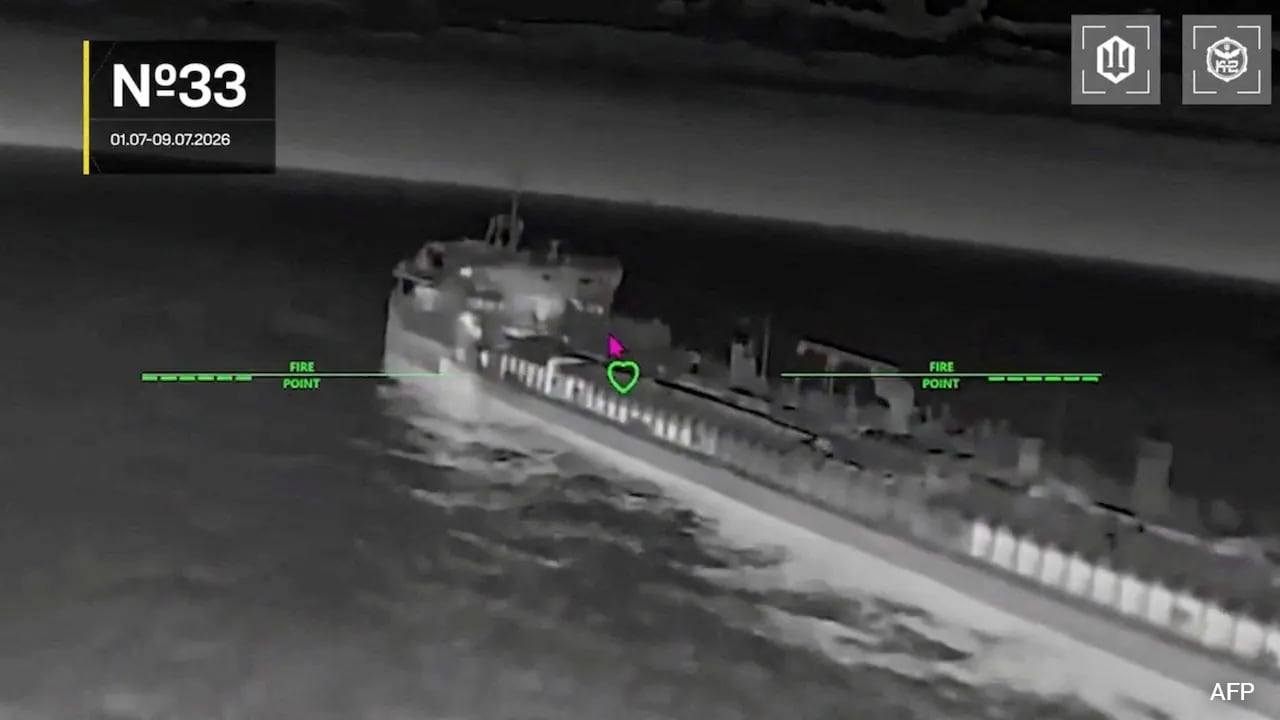
In the past few weeks Ukraine has reported almost daily strikes against Russian targets, underscoring that even after four years of Moscow’s full‑scale invasion the conflict remains intensely active. President Volodymyr Zelensky announced that the newly‑minted “Long‑Range Impact” command will serve as a decisive pivot, coordinating long‑range rockets, cruise missiles and high‑altitude drones to hit strategic Russian assets.
Background and Strategic Importance
Since the February 2022 invasion, Ukraine’s ability to hit deep Russian positions was limited by early‑war capabilities. The new command aims to close that gap by integrating advanced missile systems, intelligence data, and precision‑guided munitions, targeting command‑and‑control hubs, logistics corridors, and critical infrastructure far beyond the front lines. This shift signals a move from defensive attrition to proactive, high‑impact strikes.
International Support and Technological Partnerships
NATO allies and Western partners have repeatedly pledged to supply Ukraine with next‑generation weaponry and intelligence. The United States, United Kingdom, and France, among others, are providing long‑range precision weapons, satellite targeting data, and training that empower the new command. Such external backing not only upgrades Ukraine’s firepower but also reinforces its strategic autonomy on the global stage.
Potential Outcomes and Future Scenarios
If the command proves effective, it could erode Russian morale, increase operational costs for Moscow, and force a recalibration of Russian defensive postures. Conversely, Russia is bolstering its air‑defence networks and could respond with retaliatory strikes, raising the risk of escalation. The ability to sustain deep‑strike operations will be a litmus test for Ukraine’s long‑term resilience.
Overall, this development is more than a tactical adjustment; it is a geopolitical statement that Ukraine will continue to press the conflict into Russian territory until a diplomatic resolution is achieved on its terms.