The United States is pressing Iran to publicly guarantee safe transit through the Strait of Hormuz amidst a fragile ceasefire and internal power struggles in Tehran. As Iran claims sole sovereignty over the strategic waterway, global energy security hangs in the balance.
Key Takeaways
- The US urges Iran to declare the Strait of Hormuz open to prevent further maritime conflict.
- A power struggle in Tehran follows the death of Ayatollah Ali Khamenei, complicating peace negotiations.
- Iran claims exclusive control of the strait and demands transit fees, defying international standards.
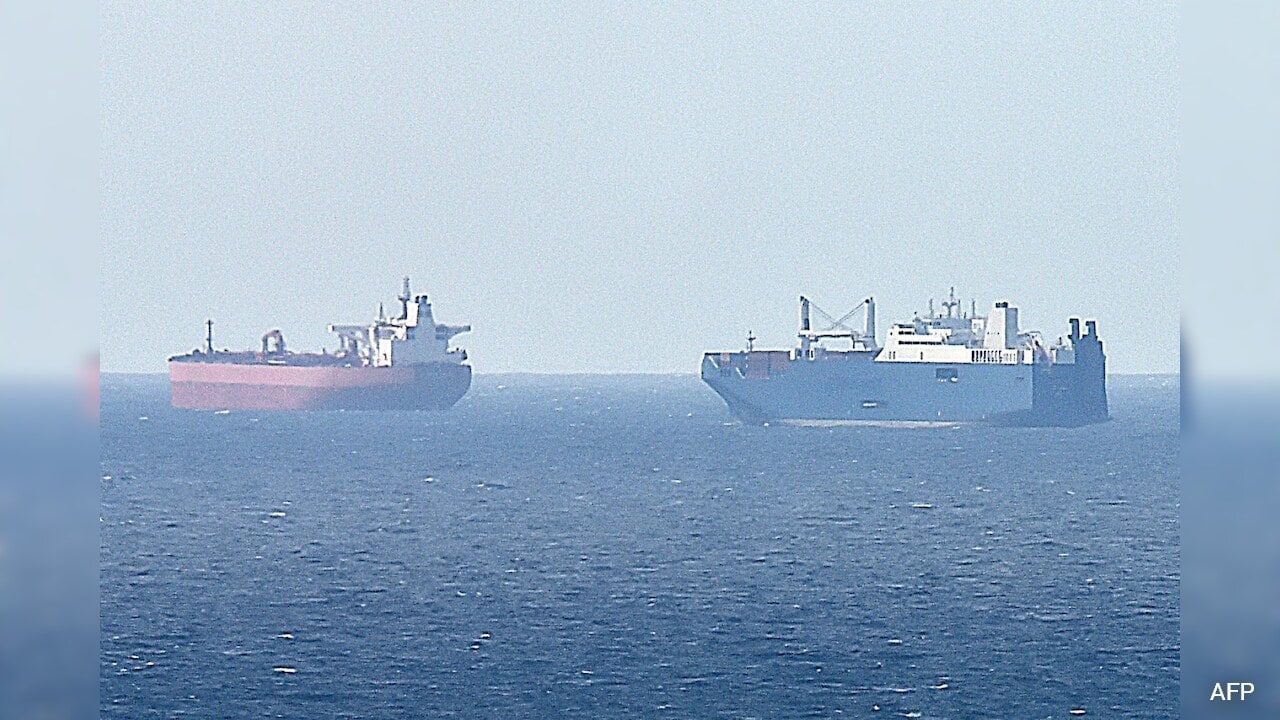
Washington is intensifying pressure on Tehran to publicly commit to the safety of international shipping lanes in the Strait of Hormuz. Senior US officials revealed that this demand has become a critical litmus test for the survival of the fragile ceasefire, which is threatened by deep internal divisions within Iran's political and military leadership. The escalation has once again put global energy markets on high alert.
Tehran's Power Struggle & The Fragile Ceasefire
The diplomatic standoff deepens as Iran grapples with an unprecedented power vacuum. Following the deaths of longtime leader Ayatollah Ali Khamenei in joint US-Israeli strikes, a fierce internal power struggle has emerged. This political instability has severely hindered the negotiation process. US President Donald Trump recently declared the interim ceasefire "OVER!" on social media, yet confirmed that American diplomats continue to seek a permanent resolution under a strict, limited timeline.
The Strategic Importance of Hormuz
The Strait of Hormuz remains one of the world's most vital maritime chokepoints, historically carrying nearly 20% of the world's petroleum and liquefied natural gas. Iran's UN Ambassador, Amir Saeid Iravani, asserted that authority over the strait rests "exclusively with Iran," signaling Tehran’s intent to levy transit fees on passing vessels. This unilateral claim directly challenges decades of international maritime law, which designates the strait as an open international waterway.
Regional Escalations and Diplomatic Mediation
Tensions reached a boiling point following a series of unclaimed airstrikes inside southern Iran, coinciding with Khamenei's funeral preparations. In response, Iran launched retaliatory missile and drone salvos targeting US allies in the region, including Kuwait, Bahrain, Jordan, and Qatar. Amidst these escalations, intense regional diplomacy has commenced, with Oman, Turkey, and Pakistan acting as key mediators to prevent an all-out regional war, while the US military advises commercial vessels to route through Omani waters.