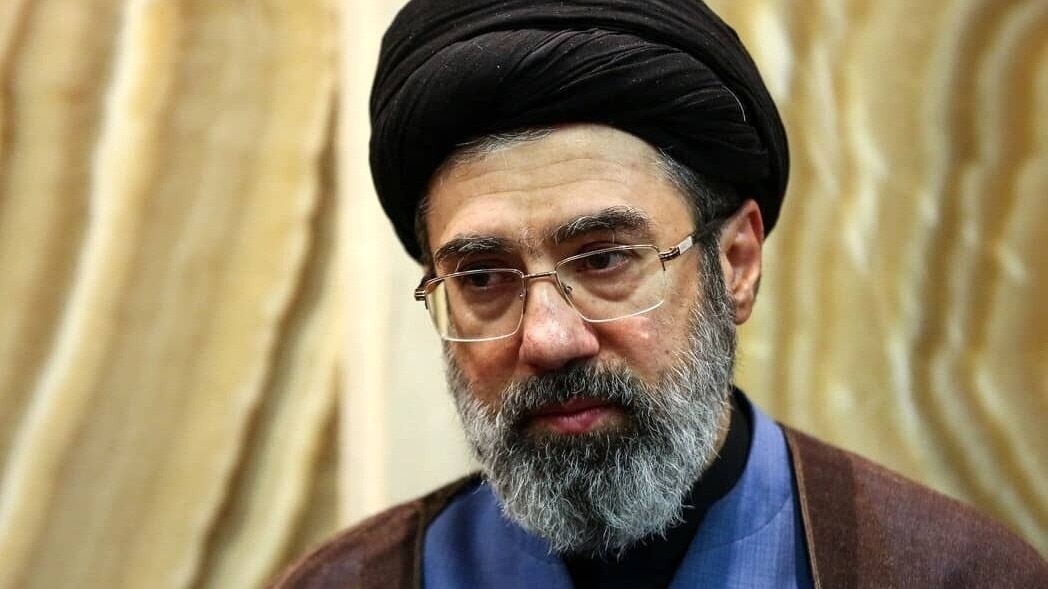
The United States announced fresh sanctions on Dubai‑based banker Ali Ansari and 13 other entities, aiming to cripple the financial network tied to Iran’s emerging power figure, Mojtaba Khamenei. The move intensifies Washington’s pressure on Tehran’s ruling elite and the IRGC.
Key Takeaways (मुख्य बिंदु)
- New U.S. sanctions target Ali Ansari
- Financial network linked to Mojtaba Khamenei is under attack
- IRGC and Iran’s ruling elite face heightened economic pressure
The United States on Friday unveiled a fresh slate of 14 Iran‑related sanctions, placing Dubai‑based Iranian banker‑entrepreneur Ali Ansari at the center of the effort. Ansari, previously sanctioned by Britain for funding the Islamic Revolutionary Guard Corps (IRGC) and other designated entities, is now back in the spotlight as Washington seeks to dismantle the financial lifelines of Iran’s new power broker, Mojtaba Khamenei.
Background and Historical Context
According to the Treasury, Ansari diverted publicly funded wealth into an expansive overseas portfolio of real‑estate and commercial holdings, enriching himself, senior government officials, and the IRGC. He previously owned and directed the U.S.-sanctioned Ayandeh Bank, which Tehran shut down in October 2025. Using a web of shell companies and multi‑jurisdictional bank accounts, Ansari amassed millions of dollars through Smart Global Limited, a holding company registered in Saint Kitts and Nevis in 2011.
Core Elements of the New Sanctions
The sanctions extend beyond Ansari to three Iran‑based exchange houses, Hong Kong‑registered CDM Trading Limited, and UAE‑based Naba Alzaki Raw Materials Trading LLC. Treasury officials allege these entities moved billions of dollars annually on behalf of sanctioned Iranian banks, employing layers of shell corporations to conceal illicit financial flows.
Geopolitical Implications
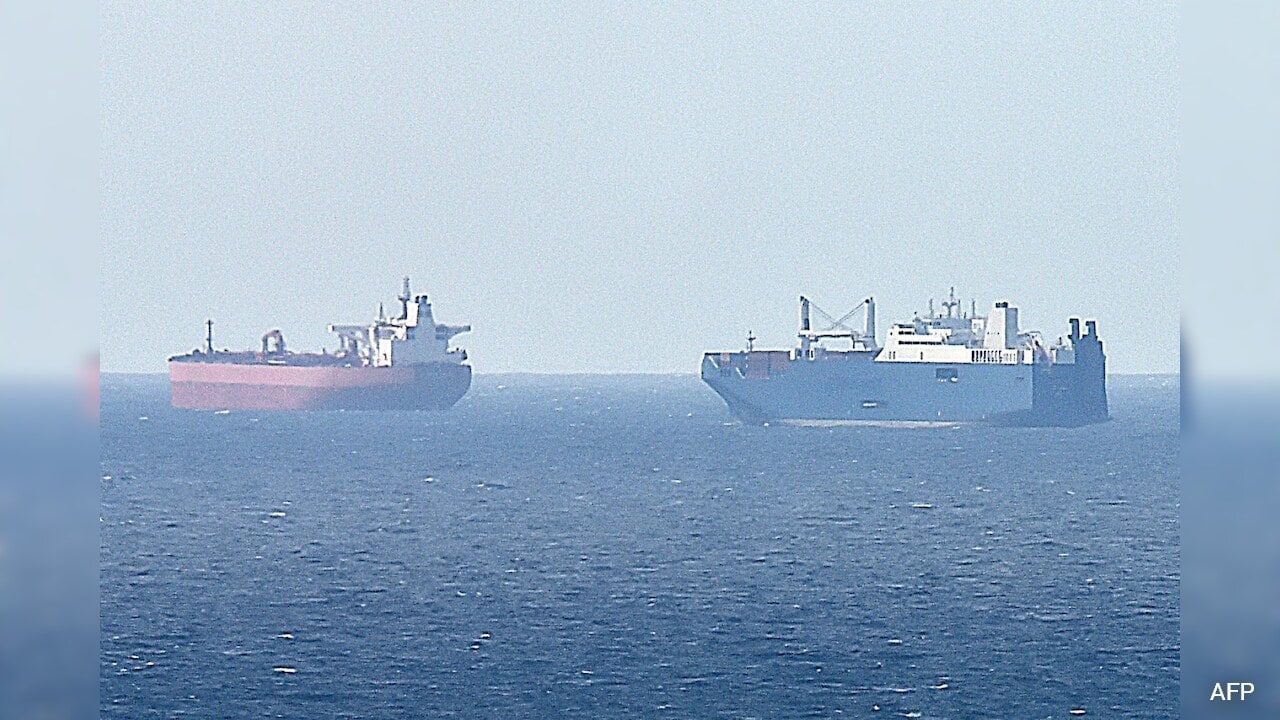
The timing coincides with renewed Iranian attacks on oil tankers in the Strait of Hormuz, prompting U.S. strikes on Iranian facilities and retaliatory Iranian attacks on U.S. military sites across the Gulf. State Department spokesperson Tommy Pigott emphasized, “The United States is taking decisive action to cut off the financial lifelines sustaining Iran’s ruling elite.” Treasury Secretary Scott Bessent added that Washington will “continue using every tool at its disposal” to isolate Mojtaba Khamenei and other senior officials from the global financial system.
Future Outlook
These measures raise fresh questions about the U.S.–Iran memorandum of understanding, particularly Article 9, which pledged that no new sanctions would be imposed and that additional forces would not be deployed. Analysts, such as Brett Erickson of Obsidian Risk Advisors, argue that the sanctions signal a strategic shift: “Washington is no longer trying to salvage the existing framework. It’s preparing to replace it entirely.” The heightened economic pressure could force Tehran to reassess its diplomatic posture, but it also risks further escalation if the sanctions are perceived as a breach of the agreement.