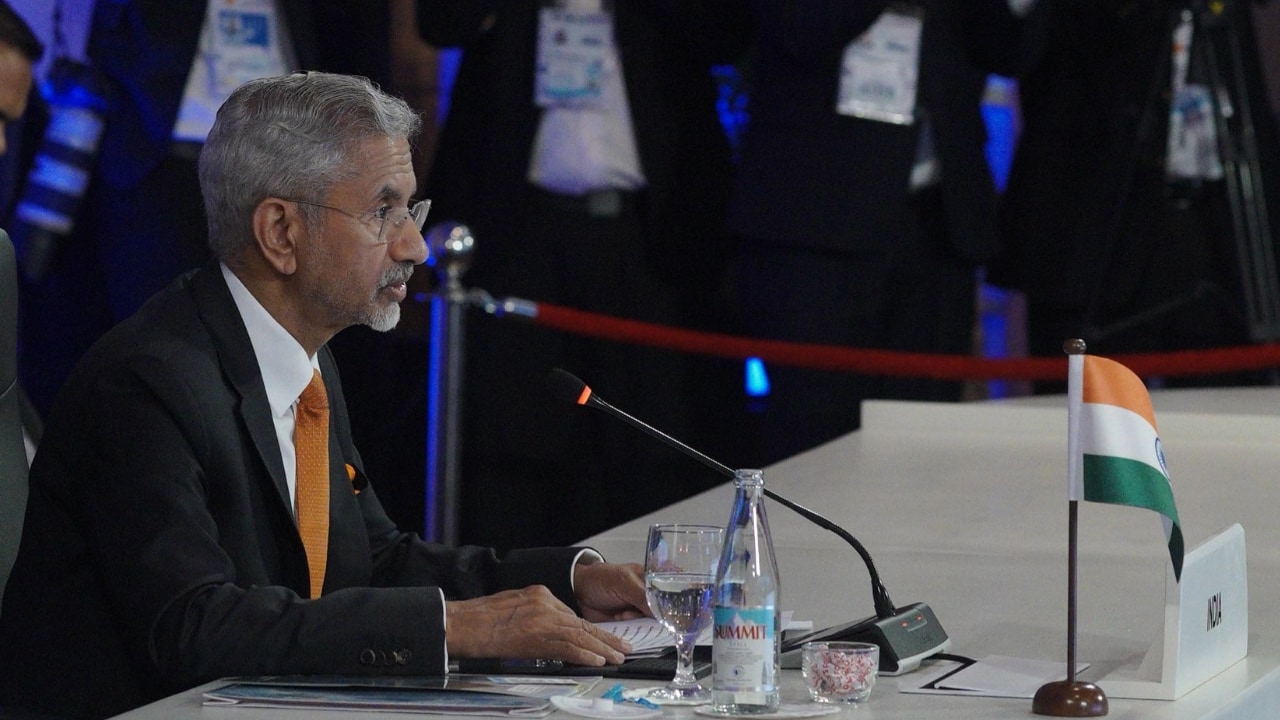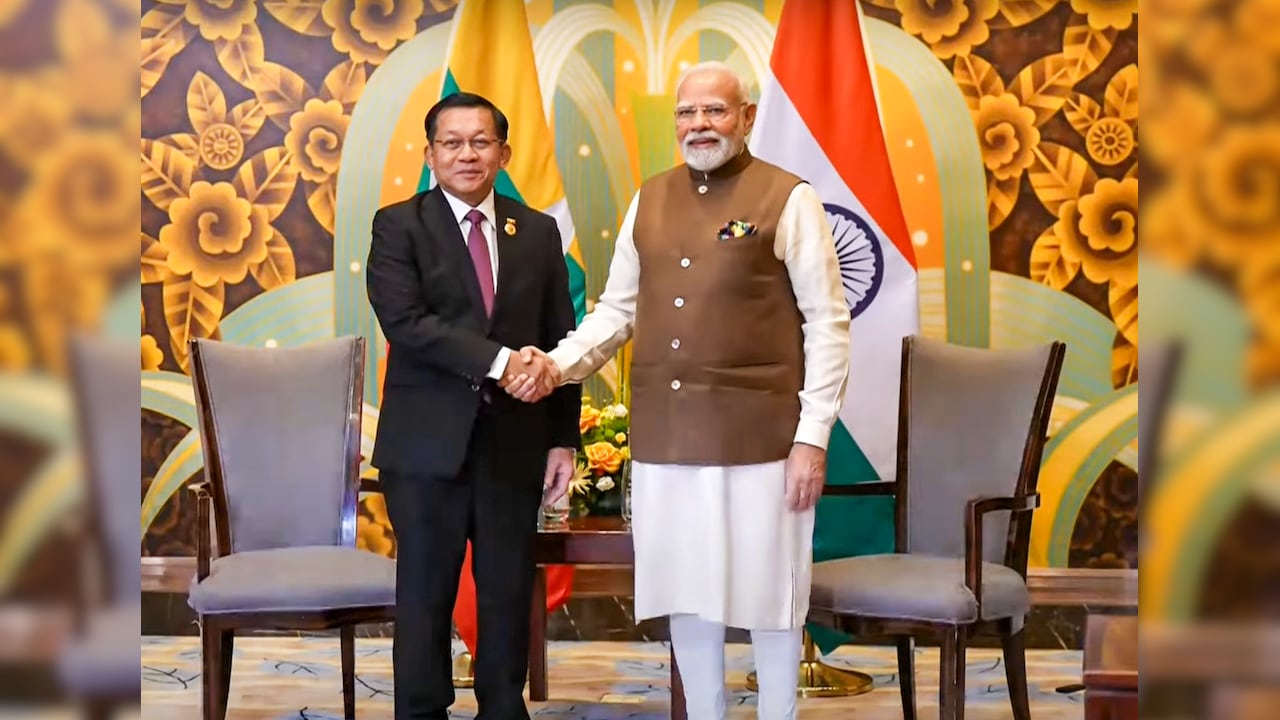
With a 1,643‑km shared border, Myanmar occupies a strategic position that underpins India’s Act East and Neighbourhood First initiatives. Growing economic, security and infrastructure ties are reshaping the regional balance of power.
Key Takeaways
- Myanmar’s 1,643‑km border with India directly influences security and trade dynamics.
- The Act East policy aims to deepen India’s strategic footprint across Southeast Asia.
- India is accelerating infrastructure and security cooperation with Myanmar to counter China’s expanding influence.
India has reaffirmed its commitment to deepen cooperation with Myanmar under the twin pillars of its ‘Act East’ and ‘Neighbourhood First’ strategies. This move is far more than diplomatic courtesy; it weaves together geopolitical, economic, and security dimensions that are vital to New Delhi’s regional vision.
Background of the Act East Policy
Launched in 2014, the Act East policy seeks to expand India’s economic and strategic reach into Southeast Asia, counterbalancing China’s Belt and Road Initiative. By fostering trade corridors, investment ties, and security partnerships, the policy positions India as a proactive player in a region traditionally dominated by Beijing.
Geopolitical and Security Significance
Myanmar shares a 1,643‑kilometre (1,020‑mile) land border with India, spanning the rugged hills and dense forests of the Northeast. This frontier is a conduit for cross‑border insurgency, illicit trafficking, and strategic mobility. For India, it serves as a crucial buffer against China’s growing footprint along the “String of Pearls” maritime network.
Economic Cooperation and Infrastructure Projects
Key initiatives under the India‑Myanmar partnership include the India‑Myanmar‑Thailand (IMT) trilateral highway, the Kaladan Multi‑Modal Transit Transport Project, and joint efforts to develop deep‑water ports along the Bay of Bengal. Collectively, these projects are projected to boost bilateral trade by over 30% in the next fiscal cycle.
Regional and International Implications
Strengthening ties with Myanmar not only enhances India’s economic clout but also provides a strategic counterweight to China’s regional ambitions. The deepening relationship equips India with greater leverage in multilateral forums such as ASEAN, the East Asia Summit, and the Quad, where it can champion a rules‑based order.
Nevertheless, Myanmar’s internal challenges—ethnic insurgencies, the Rohingya humanitarian crisis, and political volatility—require India to adopt a nuanced blend of diplomatic engagement, development assistance, and security cooperation.
In essence, the India‑Myanmar partnership epitomizes the three‑pronged thrust of the Act East agenda: securing borders, unlocking trade potential, and reshaping the regional balance of power.