U.S. President Donald Trump and Iranian officials have escalated rhetoric with fresh threats amid ongoing Strait of Hormuz negotiations, exposing the fragility of the interim cease‑fire agreement.
Key Takeaways
- Trump and Iran trade new threats over the strategic Hormuz Strait
- Interim cease‑fire deal teeters on the brink as both sides vow to keep talks alive
- Potential ripple effects on global energy markets and regional security
Dubai – July 12, 2026 – U.S. President Donald Trump and senior Iranian leaders have once again exchanged heated threats as negotiations over the Strait of Hormuz continue. The exchange underscores how precarious the February‑2026 interim cease‑fire agreement remains, even as diplomatic channels strive to stay open.
Background and Recent Developments
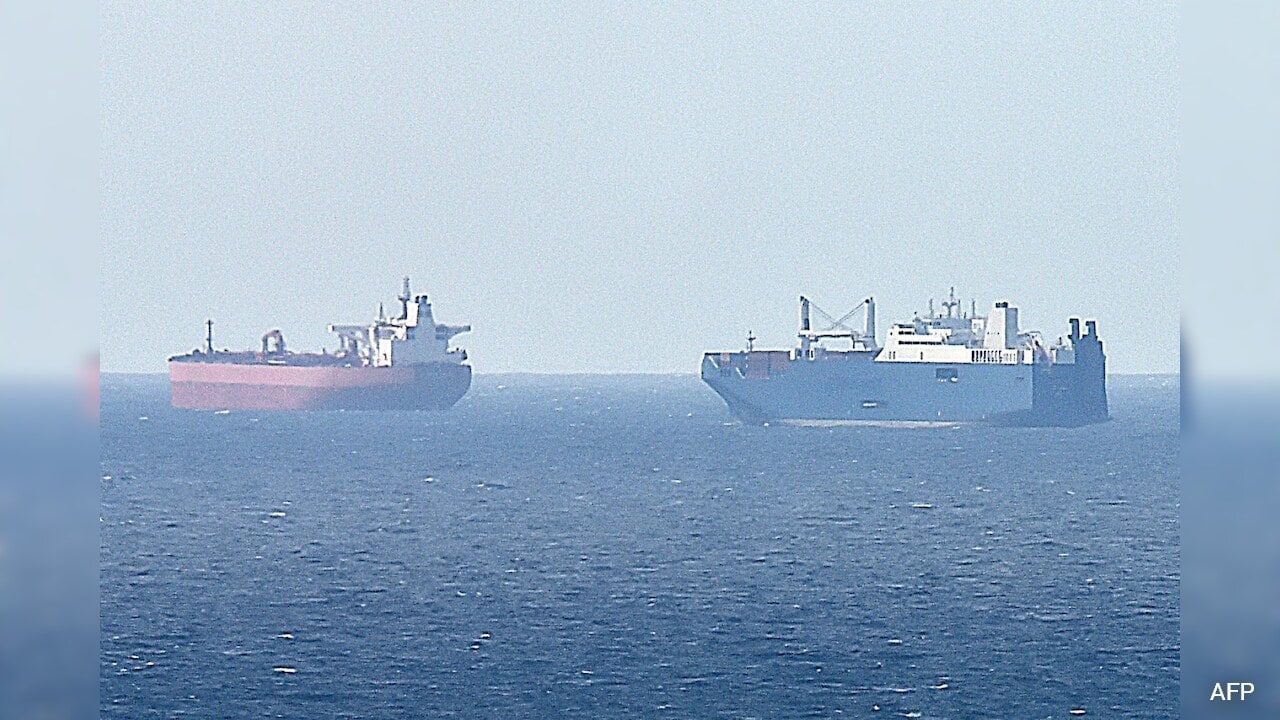
After Iran launched a series of missile and drone strikes on February 28, the United States responded with a broad air campaign targeting Iranian infrastructure. Iran retaliated by attacking three commercial vessels in the Hormuz Strait and firing at neighboring Arab states. The ensuing diplomatic scramble produced an interim truce, but its core clause—keeping the strait open for international shipping—has become a flashpoint.
Trump’s New Threats and Iranian Retaliation
In an overnight post on X, Trump warned that “thousands of missiles are locked and loaded, ready to strike Iran if the regime continues its threats.” The statement came after public calls for his assassination during the funeral of Supreme Leader Ayatollah Ali Khamenei. Iran’s Supreme Leader Mojtaba Khamenei, speaking on state television, vowed “the nation will avenge his father’s death,” echoing a rhetoric that fuels the tit‑for‑tat escalation.
Control of the Strait and Economic Implications
Iran insists the Hormuz Strait must remain under its sovereign control, demanding fees from vessels—a stance it adopted after hostilities began. Tehran’s Foreign Minister Abbas Araghchi told reporters that he met his Omani counterpart to discuss “appropriate mechanisms for safe passage.” Meanwhile, the United States is urging merchant ships to use a southern route through Omani waters, citing safety concerns.
Historically, roughly one‑fifth of the world’s oil and natural gas transits the strait. Any renewed restriction could trigger a sharp rise in global energy prices, reminiscent of the 2026 price spike that briefly pushed crude above $120 per barrel.
Future Outlook and International Reactions
Analysts warn that the truce’s durability hinges on “mutual compliance.” Unnamed U.S. officials suggest a rogue faction of Iranian hard‑liners attempted to sabotage the cease‑fire, while some Gulf states may have conducted covert strikes to deter further Iranian aggression after Tehran’s attacks on Bahrain, Jordan, Kuwait, and Qatar.
With Oman‑Iran talks proceeding at both technical and political levels, the public spat between Trump and Iranian officials highlights the interim deal’s vulnerability. The next few weeks will likely determine whether diplomatic engagement can override the escalating military rhetoric.