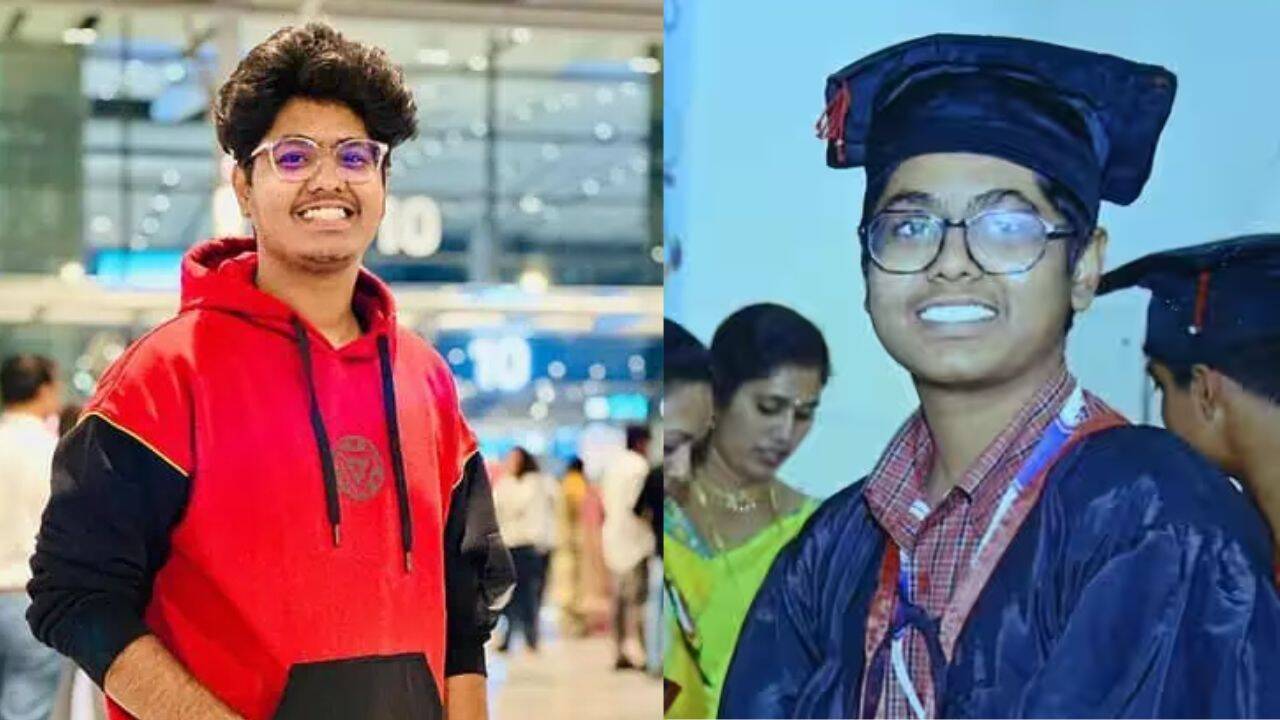
Finnish authorities have officially declared Hyderabad student Manideep Reddy Gujja dead after his disappearance in May. Fingerprint analysis identified the body recovered from the sea, while police found no criminal evidence. The family is demanding an independent investigation into the circumstances.
Key Takeaways
- Finnish police identified the body using fingerprint analysis
- No criminal evidence was found during the investigation
- The family has called for an independent probe
A mysterious death abroad – In May 2024, Hyderabad‑born student Manideep Reddy Gujja vanished while pursuing higher studies in Finland, sparking international concern. The young scholar was enrolled at a Finnish university, but a night later he was reported missing, prompting a frantic search.
Discovery of the Body and Identification
Finnish maritime authorities recovered an unidentified corpse from the shoreline. Initial visual identification failed, but forensic experts matched the fingerprints to Manideep’s records, confirming his identity. The recovered wallet contained his national ID card and his mother’s credit card, providing undeniable proof.
Police Investigation Findings
The Finnish police conducted a thorough forensic review, examining dive logs, weather conditions, and nearby surveillance footage. All examined factors indicated no signs of foul play. A spokesperson stated, “Our investigation has not uncovered any criminal activity; the death could be accidental or natural.”
Family’s Reaction and Call for an Independent Inquiry
Back in Hyderabad, Manideep’s family rejected the official conclusion, insisting on a transparent, independent probe. They have urged Finnish authorities to appoint an impartial commission that adheres to international standards, ensuring every piece of evidence is re‑examined without bias.
International Implications and Future Outlook
This case has heightened anxieties among Indian students studying abroad. India’s embassy and Ministry of External Affairs have advised students to stay vigilant, maintain close contact with local law enforcement, and be aware of potential risks. Moreover, the incident underscores the need for stronger bilateral agreements on student safety and clearer protocols for emergency response.