Iran and Oman met to keep the Strait of Hormuz open after a series of ship attacks, while rising US‑Iran tensions and a new Iranian supreme leader’s vows threaten the fragile interim agreement. The talks highlight the strategic and economic stakes of the waterway.
मुख्य बिंदु (Key Takeaways)
- Iran and Oman continue technical and political talks to secure safe passage through the Strait of Hormuz.
- The United States demands a public statement from Iran confirming the waterway’s openness, while Iran accuses Washington of breaching the interim deal.
- New Iranian Supreme Leader’s vow of retaliation adds another layer of volatility to an already delicate situation.
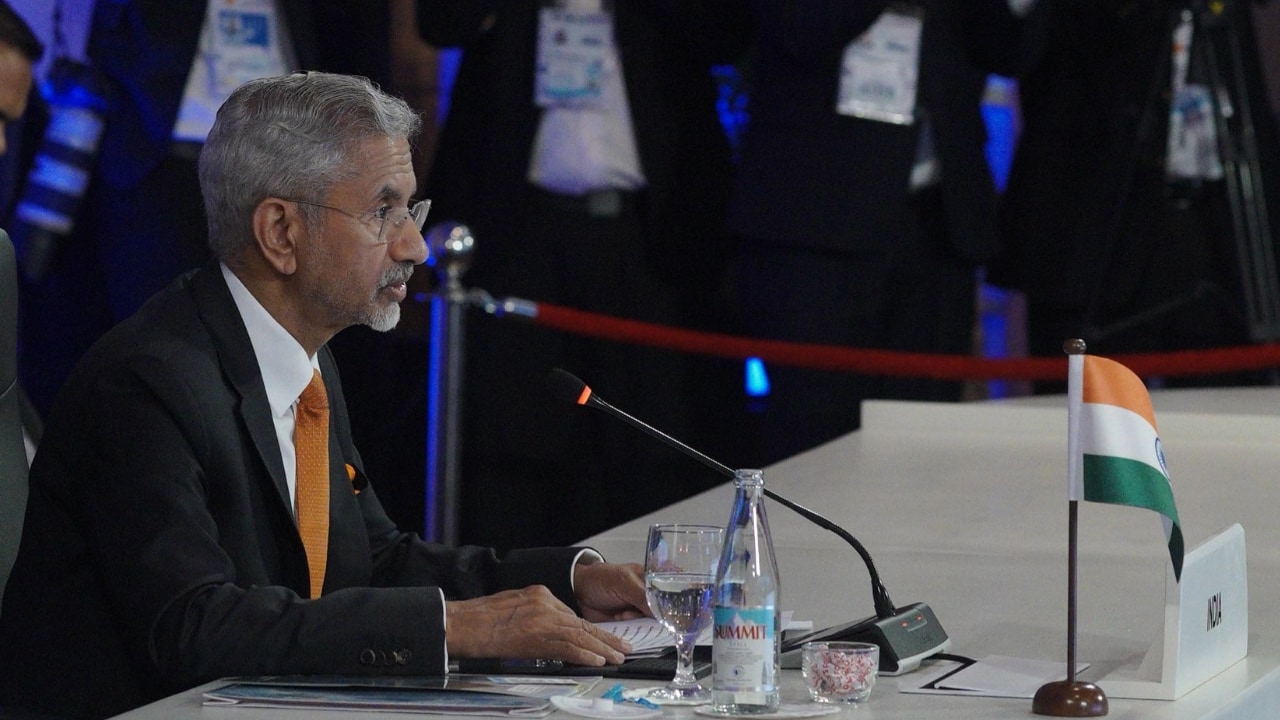
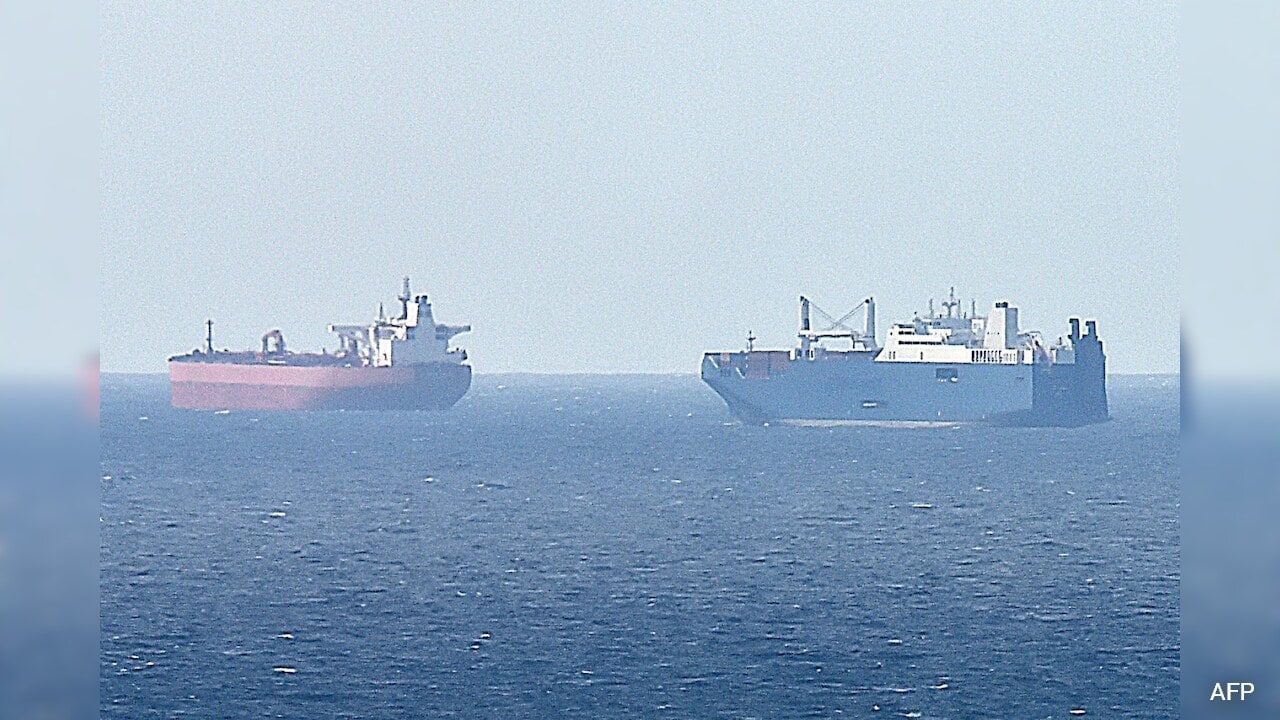
In Dubai, senior diplomats from Iran and Oman convened on Saturday to reaffirm their commitment to keeping the Strait of Hormuz open for commercial traffic. The meeting follows a spate of Iranian attacks on merchant vessels and subsequent U.S. retaliation, putting the interim war cease‑fire under renewed pressure. Oman announced that both parties agreed to maintain “technical and political level” dialogue to safeguard the crucial maritime corridor.
Strategic Importance of the Strait
The Hormuz Strait remains a linchpin of global energy markets, channeling roughly one‑fifth of the world’s oil and natural gas shipments before the conflict erupted. Iran has long asserted sovereign control over the passage, seeking to levy fees and treat it as a national asset, whereas the international community regards it as an open sea lane. Washington has urged vessels to adopt a southern route through Omani territorial waters, further complicating the logistics and heightening regional economic tension.
New Iranian Leadership Voices Vengeance
Following the funeral of former Supreme Leader Ayatollah Ali Khamenei, his son and successor, Mojtaba Khamenei, delivered his first public address. He pledged that Iran would “avenge” his father’s killing, framing the retribution as the will of the nation. This rhetoric, coupled with the ongoing maritime skirmishes, underscores a hardening stance that could destabilize any fragile diplomatic progress.
US Demands and Iranian Counter‑Accusations
U.S. officials have demanded that Tehran publicly affirm the strait’s openness and cease attacks on shipping. In response, Iranian Foreign Minister Abbas Araghchi met his Omani counterpart to discuss “appropriate mechanisms for ensuring the safe passage of ships.” Araghchi also accused Washington of violating the interim agreement after it withdrew waivers that allowed Iran to sell crude in U.S. dollars, a move he says undermines mutual compliance.
Escalation Risks and Regional Fallout
President Donald Trump warned of a massive missile response, claiming “thousands” of missiles are ready to target Iran if Tehran proceeds with its threats. Meanwhile, Iran’s health ministry reported at least 17 fatalities and 115 injuries from recent internal strikes, though responsibility for those attacks remains disputed. Israel has not claimed involvement, leaving open the possibility of covert Gulf‑Arab actions aimed at curbing Iranian aggression.
Looking Ahead
The confluence of maritime security talks, a fragile cease‑fire, and heightened rhetoric from both Tehran and Washington signals a precarious equilibrium. While Iran and Oman’s continued dialogue suggests a pragmatic effort to protect trade and regional stability, the broader geopolitical calculus remains volatile, with the interim war deal hanging by a thread.