Iran has privately told U.S. advisers that the attacks on commercial vessels in the Strait of Hormuz were a mistake and that it wishes to keep negotiations alive. The upcoming meeting in Oman will test whether Tehran will publicly acknowledge the error and keep the waterway open.
Key Takeaways
- Iran called ship attacks a mistake
- US seeks public acknowledgment
- Negotiations slated in Oman
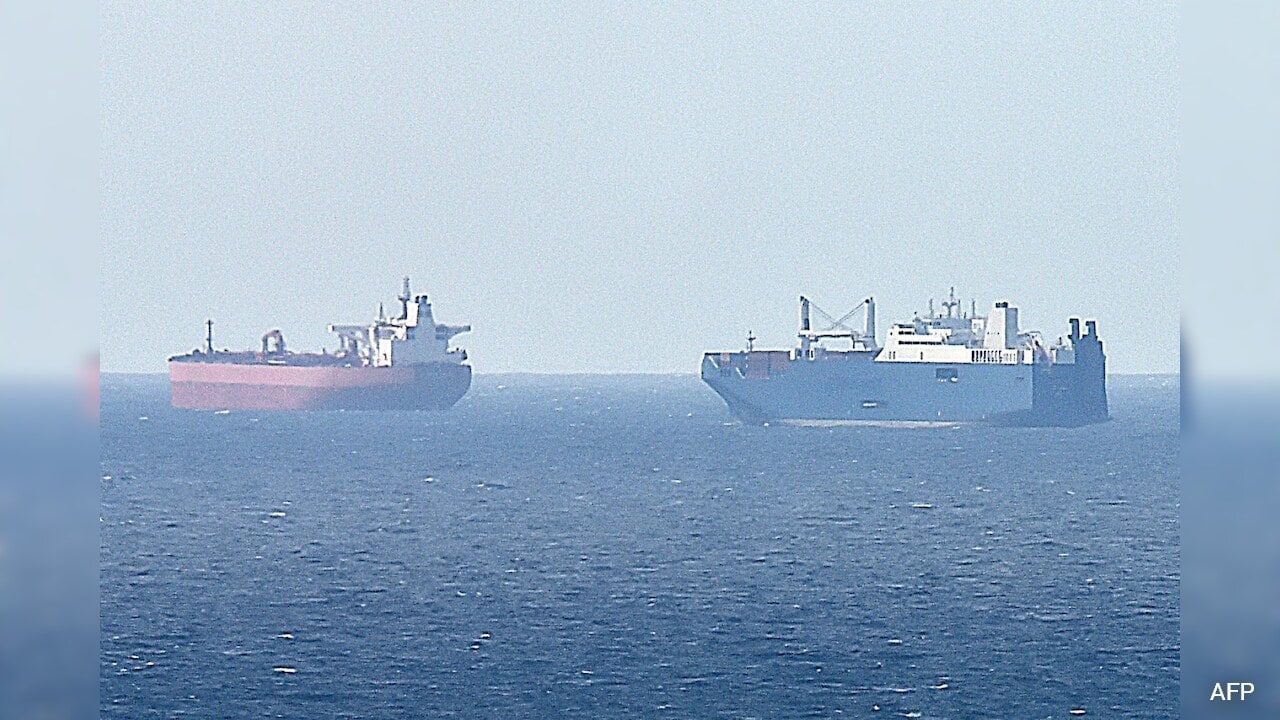
Iranian officials have quietly informed advisers to President Donald Trump that firing on commercial ships in the strategic Strait of Hormuz was an "errant" action, not a state‑directed policy. CBS News, citing senior U.S. officials, reported that a hard‑line faction within Iran acted without authorization, threatening to derail the delicate negotiation process that has been underway for months.
Strategic Context of the Hormuz Strait
The Strait of Hormuz, a narrow 39‑kilometre passage linking the Persian Gulf with the Arabian Sea, carries roughly 20% of the world’s oil. Historically, any disruption here triggers global market volatility. In 2023, heightened U.S.–Iran tensions saw a series of missile strikes on tankers, prompting a surge in oil prices and renewed calls from Gulf states to keep the channel open.
Washington’s Stance
The White House is demanding a public admission from Tehran, framing the incident as a breach of the cease‑fire agreement that underpins the broader diplomatic framework. President Trump’s team—led by Vice President JD Vance, son‑in‑law Jared Kushner, special envoy Steve Witkoff, and Secretary of State Marco Rubio—has been instructed to press Tehran for a clear acknowledgment before any further concessions.
Oman Talks on Saturday
The negotiating team is slated to meet in Muscat, Oman, on Saturday. Their agenda includes securing a written statement that the Strait will remain open for commercial traffic and that Iran will refrain from future hostile actions. A U.S. official warned, "If Iran does not commit to this, it will be a very bad day for them," underscoring the high stakes of the encounter.
Implications for Future Diplomacy
Should Iran refuse to own the mistake, the repercussions could ripple through global energy markets and complicate the already fragile nuclear talks. Washington has hinted at leveraging both economic sanctions and military options if Tehran continues hostile behavior. Moreover, the Hormuz issue serves as a litmus test: if both sides can resolve this tactical dispute, they may find enough trust to tackle the more complex nuclear dossier.