Iran announced the closure of the strategic Strait of Hormuz until further notice, demanding an end to U.S. interference in the region. In response, the United States has begun fresh air strikes while urging Tehran to publicly commit to halting attacks on commercial vessels.
मुख्य बिंदु (Key Takeaways)
- Iran has closed the Strait of Hormuz indefinitely.
- An Iranian naval unit attacked a merchant vessel traveling on an "unauthorised route".
- The United States has launched new air strikes and is demanding a public pledge from Iran to stop ship attacks.
Iran officially declared that the Strait of Hormuz will remain closed "until further notice" and that the closure will persist "until the end of U.S. interference in this region". This decisive move underscores escalating tensions in a waterway that is a lifeline for global oil shipments.
Strategic Importance of the Strait
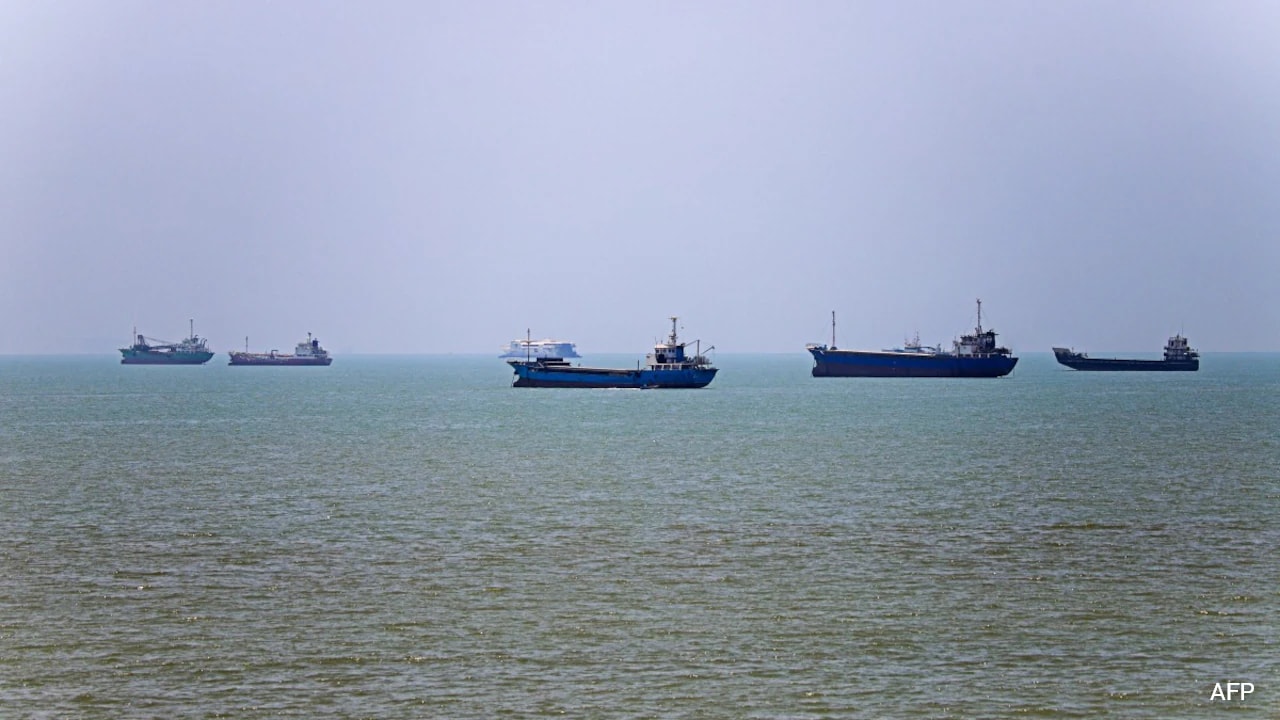
The Hormuz Strait, a narrow 39‑kilometre channel linking the Persian Gulf with the Gulf of Oman, handles roughly 20 million barrels of oil each day—about 20% of the world’s petroleum flow. Control over this chokepoint has long been a lever of power for regional actors, and any disruption can instantly reverberate through global energy markets. Historically, Iran and the United States have clashed over navigation rights here, most notably during the 2019 confrontations when U.S. warships attempted to intercept Iranian oil tankers.
Recent Developments
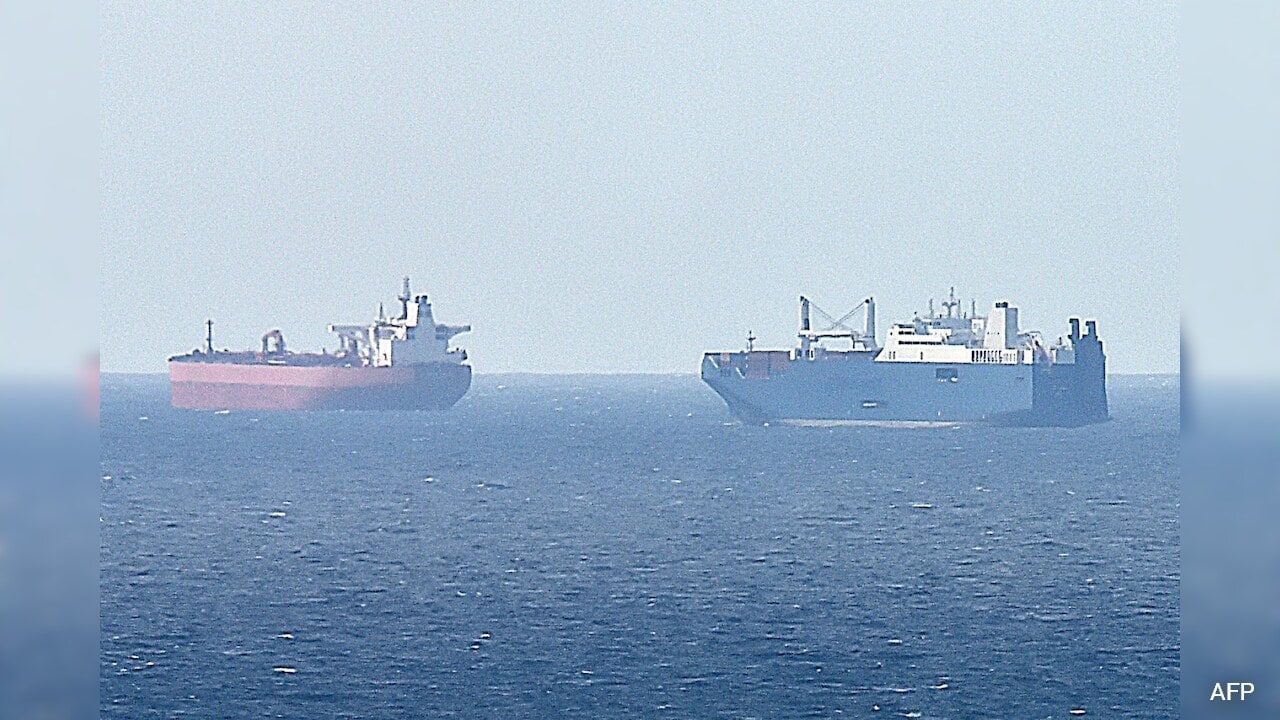
Iran’s navy reported an attack on a commercial vessel that it accused of sailing on an "unauthorised route". The incident reignited concerns over maritime security and the applicability of international law in contested waters. In retaliation, Washington announced a fresh wave of air strikes targeting Iranian military assets, signaling a willingness to use force to keep the strait open. Concurrently, the U.S. embassy in Tehran demanded that Tehran publicly affirm it will cease all attacks on merchant ships.
Potential Consequences
If the closure endures, oil exporters reliant on the strait could face significant delays, prompting price spikes and supply chain disruptions. Moreover, heightened U.S. military activity may push Gulf Cooperation Council (GCC) states to bolster their own naval defenses, potentially reshaping regional security alliances. Analysts warn that absent diplomatic engagement, the situation could spiral into a broader conflict, drawing in NATO forces and possibly prompting a United Nations Security Council debate on the violation of freedom of navigation.
Looking Ahead
The closure of the Hormuz Strait is more than a tactical maneuver; it is a high‑stakes geopolitical signal. Both Tehran and Washington face a critical juncture where diplomatic overtures or further militarisation will determine the future stability of one of the world’s most vital maritime arteries.