During a New Zealand media briefing, the Ministry of External Affairs highlighted Prime Minister Narendra Modi's preference for direct engagement with voters, a hallmark of his electoral success. The visit aimed to deepen the India‑New Zealand strategic partnership and reinforce a rules‑based Indo‑Pacific order.
Key Takeaways (मुख्य बिंदु)
- Modi favours direct contact with voters, viewing it as a core political method.
- MEA explains that this approach resonates with India's largely rural electorate.
- The New Zealand trip focuses on strengthening a rules‑based Indo‑Pacific framework.
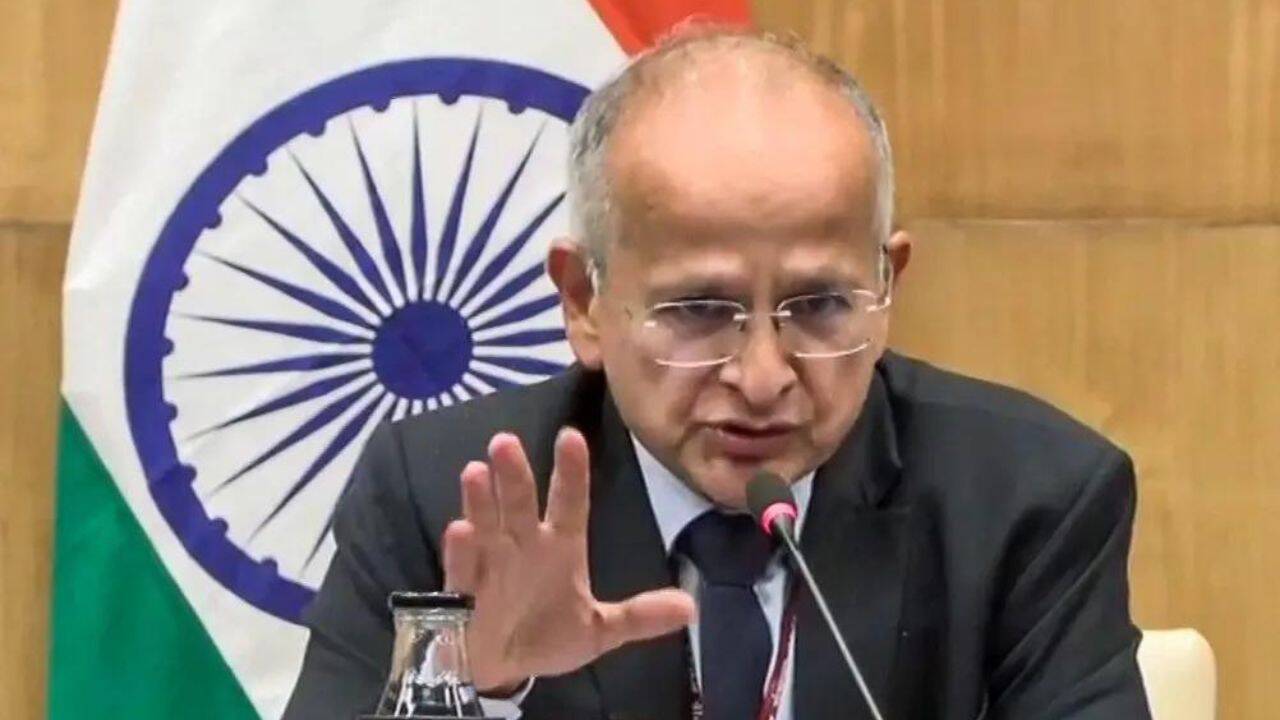
In a press briefing in Wellington, MEA’s Secretary (East) Rudrendra Tandon defended Prime Minister Narendra Modi against queries about his reluctance to hold a press conference during the visit. Tandon described Modi as a “quintessential Indian politician” who prefers to speak directly to the electorate rather than through intermediaries.
Why Direct Contact Matters
According to Tandon, the majority of India’s electorate—especially in rural heartlands—values personal interaction with leaders. Intermediary communication is often perceived as condescending, creating distance between politicians and voters. Modi’s mastery of this “direct‑contact” style is credited with his repeated electoral victories, now entering a third consecutive term.
Echoes of Earlier Queries
The question reminded Tandon of a similar one raised in Norway earlier this year, when journalists asked why Modi did not take questions during a joint media session with Prime Minister Jonas Gahr Støre. At that time, MEA’s Secretary (West) Sibi George defended India’s democratic institutions and highlighted the country’s vibrant media landscape, noting the sheer volume of daily news across hundreds of TV channels.
Strategic Purpose of the Visit
Tandon stressed that the primary objective of the two‑day visit (July 10‑11) is to “strengthen the rule‑based Indo‑Pacific order.” New Zealand is viewed as a pivotal partner in this endeavour, with both nations committing to a 2030 roadmap that aims to double bilateral trade to ₹35,000 crore while expanding cooperation in defence, technology, security and regional affairs.
Broader Implications
The India‑New Zealand strategic partnership, the first at the prime‑ministerial level in four decades, signals a shift toward deeper engagement in the Indo‑Pacific. Modi’s direct‑contact approach, while rooted in domestic politics, now influences his diplomatic outreach, reinforcing India’s position as a key maritime nation.