Pakistan's security forces report that 88 militants have been neutralised in Operation Shaban since the July 5 attacks. The crackdown follows coordinated assaults on a police checkpoint that resulted in multiple fatalities and kidnappings.
Key Takeaways
- Operation Shaban reports 88 militant deaths
- Coordinated attacks on July 5 targeted police checkpoint
- Tribal areas also suffered killings and abductions
Pakistan’s interior minister Mohsin Naqvi announced on July 11 that the anti‑insurgency campaign in Balochistan, dubbed Operation Shaban, has killed a total of 88 militants since its launch on July 5. Within the last 24 hours alone, nine more militants were eliminated, bringing the cumulative toll to the stated figure.
Background of the July 5 Attacks
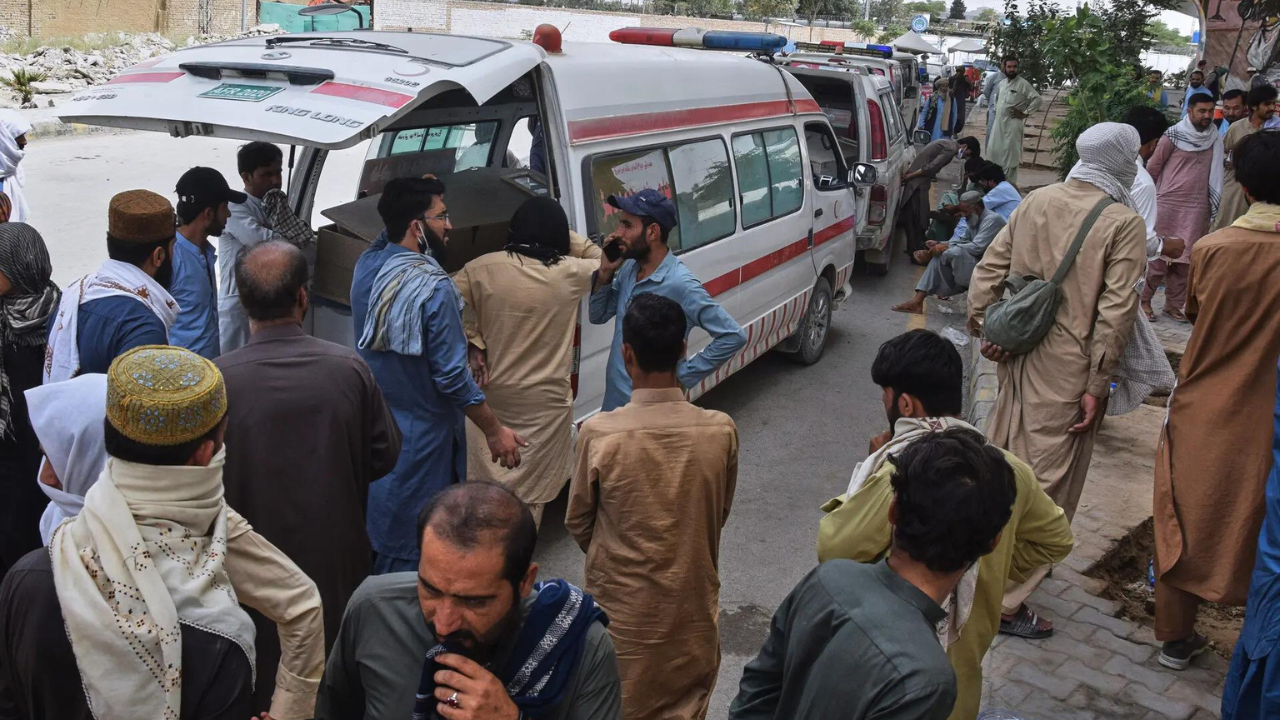
On July 5, heavily armed militants stormed a police checkpoint at Mangi Dam in Ziarat district, killing nine officers and abducting eighteen others. The abducted officers were later recovered, dead, from the rugged Zarghoon Gar mountains near Ziarat, intensifying public outrage across the province.
Scope of Operation Shaban
The operation mobilises the Pakistan Army, paramilitary Rangers and the Frontier Corps in a coordinated ground‑air offensive against suspected militant hideouts throughout Balochistan. Its stated objective is to dismantle insurgent networks that have plagued the province for decades.
Local Reaction and Societal Impact
Families of the slain policemen have staged a sit‑in protest at Koila Phatak Chowk on the outskirts of Quetta, demanding justice and stronger protection for law‑enforcement personnel. They have refused to bury eight of the recovered bodies until the government guarantees enhanced security measures.
Violence also rippled through the Hanna Urak Valley, where militants attacked a local tribe, killing five, injuring eight and abducting eleven. The abducted tribesmen were rescued on Friday night, leading to the cessation of a separate protest near Quetta’s airport road.
Long‑Running Baloch Insurgency
Balochistan, Pakistan’s largest yet sparsely populated province, has endured a protracted insurgency rooted in longstanding grievances over resource exploitation and perceived neglect by the federal government. While Operation Shaban represents a significant escalation in military pressure, analysts warn that sustainable peace will require a balanced approach that couples security measures with political dialogue and meaningful economic investment in the region.