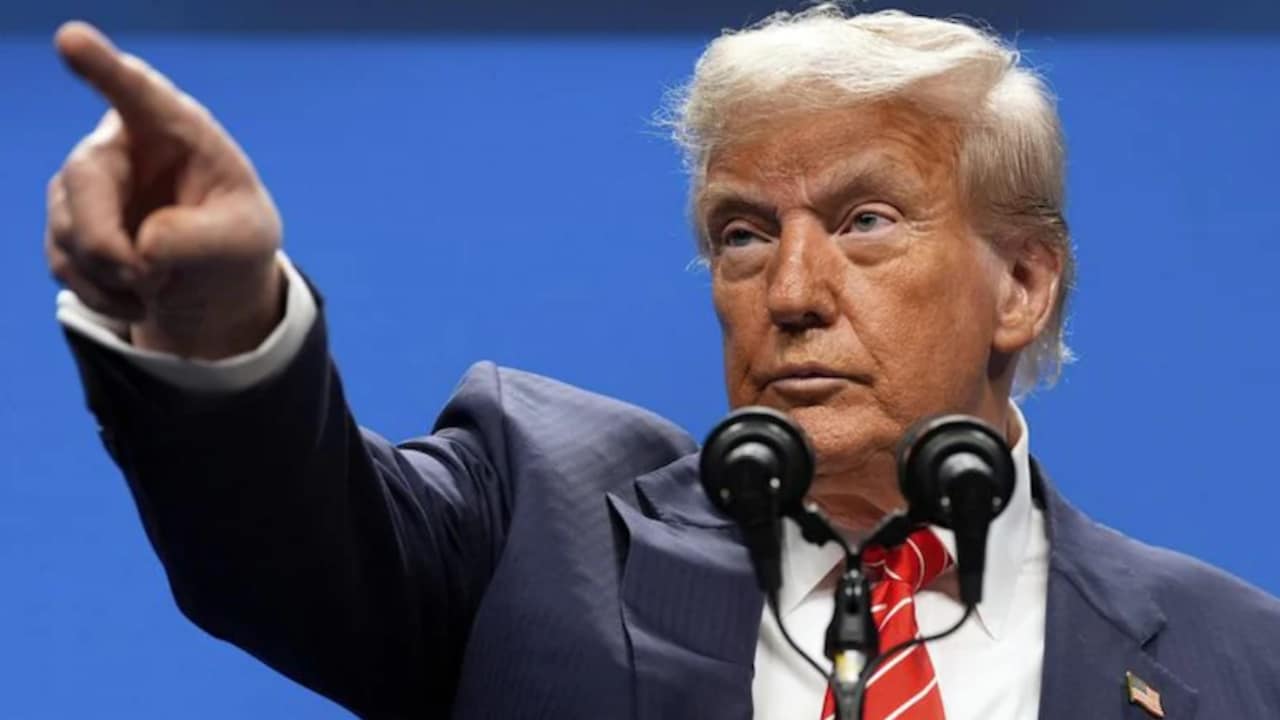
During Ayatollah Khamenei's funeral, mourners displayed posters demanding Trump's death. Hours later, Trump responded on Truth Social with a '1,000 missiles loaded' statement, as senior US officials pressed Iran to keep the Strait of Hormuz open.
मुख्य बिंदु (Key Takeaways)
- Posters calling for Trump’s assassination appeared at Khamenei’s funeral.
- Trump tweeted “1,000 missiles loaded” on Truth Social.
- US officials demanded Iran publicly declare the Strait of Hormuz open.
Ayatollah Ali Khamenei, Iran’s supreme leader, passed away, prompting a massive state funeral that turned into a platform for anti‑American sentiment. Several mourners held up placards that explicitly called for former President Donald Trump to be killed, a stark illustration of the deep‑seated anger many Iranians feel toward US policies.
Trump’s Provocative Reply
Within hours of the funeral, Trump used his personal platform, Truth Social, to post a terse message: “1,000 missiles loaded.” While cryptic, the phrasing was widely interpreted as a veiled threat or at least a show of force, echoing his earlier rhetoric that often blended bravado with geopolitical signaling.
US Diplomatic Pressure on Iran
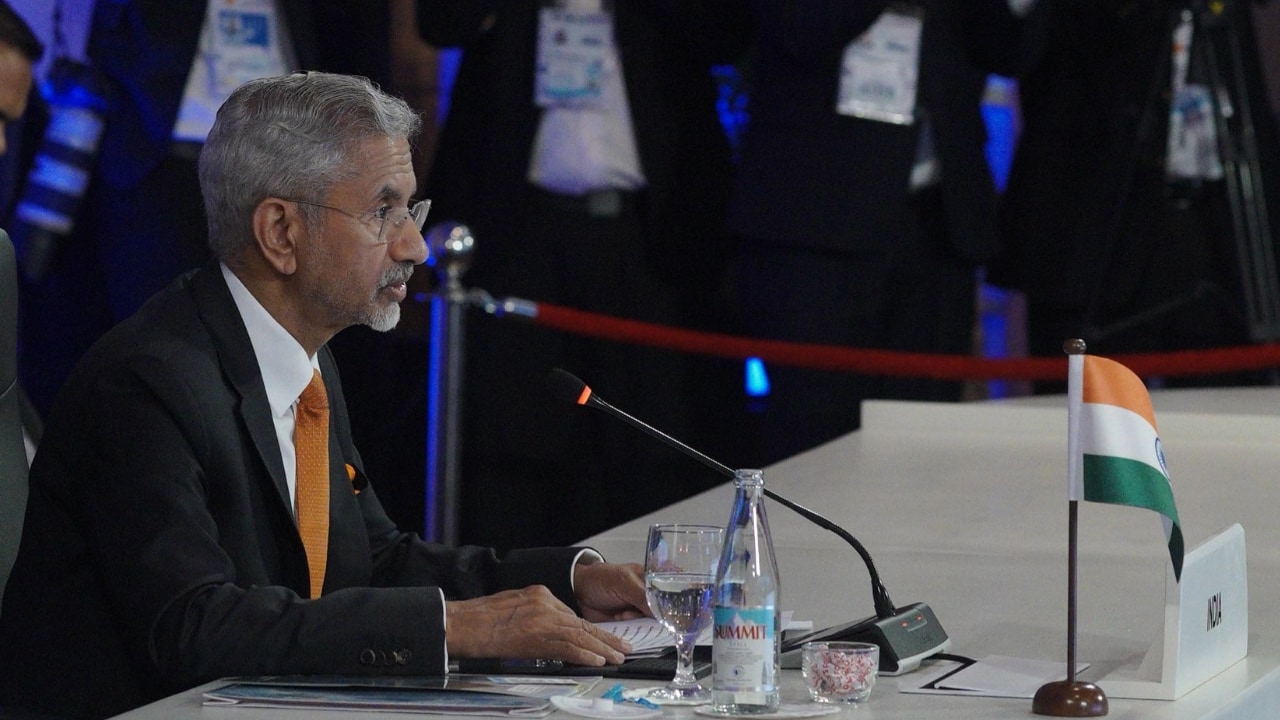
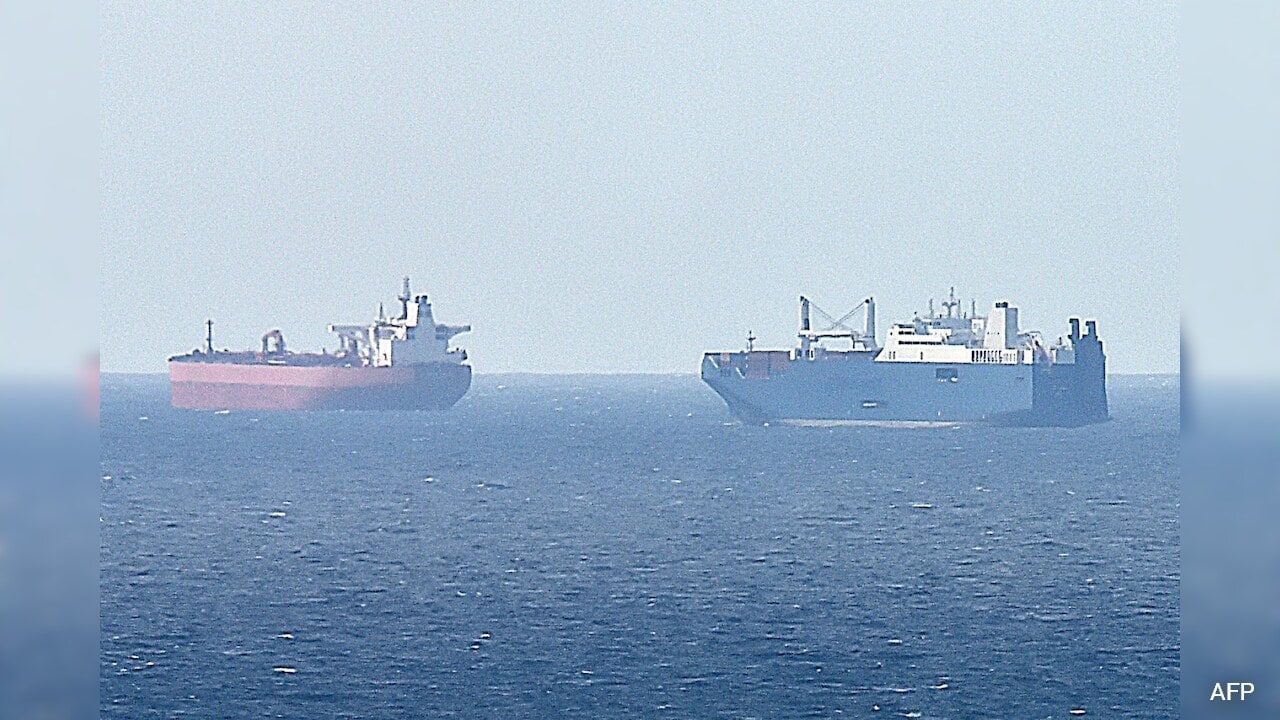
Simultaneously, senior US officials issued a formal demand that Iran issue a public statement confirming the Strait of Hormuz is open for navigation and that no further attacks on commercial vessels would occur. The Strait, a chokepoint through which roughly one‑fifth of the world’s oil passes, is a strategic flashpoint that has repeatedly been used as leverage in US‑Iran confrontations.
Historical Context and Potential Fallout
Khamenei’s death raises questions about the future of Iran’s power structure, but the funeral’s anti‑Trump slogans suggest that any internal transition will still be shadowed by external hostility. If Trump’s “1,000 missiles” comment is read as a prelude to military action, the region could see a rapid escalation, potentially driving oil prices higher and disrupting global shipping lanes.
Expert Analysis
International relations scholar Dr. Rashma Quli notes, “This is not a personal jab; it aligns with a broader US strategy to keep Iran economically isolated and militarily restrained.” She adds that public calls for assassination at a state funeral signal a volatile domestic climate, where dissent may be channeled into overtly hostile gestures toward the United States.