U.S. President Donald Trump’s fresh warnings on the Strait of Hormuz have intensified an already fragile interim cease‑fire with Iran. Despite mediation by Oman and Qatar, both sides have hardened their positions on shipping and Iran’s nuclear programme.
Key Takeaways
- Trump demanded Iran publicly keep the Strait of Hormuz open on Truth Social.
- Iranian Foreign Minister Abbas Araghchi continued talks in Oman while insisting on control of the waterway.
- Control of Hormuz remains a critical lever for global energy markets.
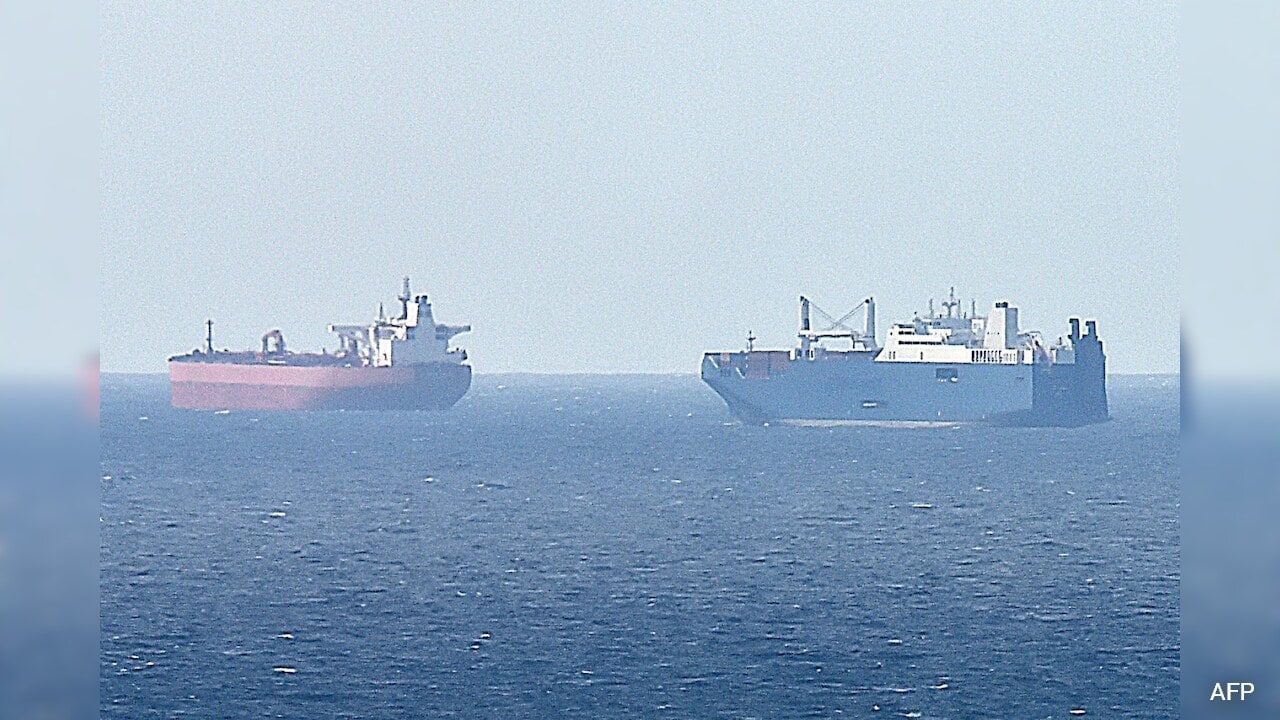
U.S. President Donald Trump used his Truth Social platform on Saturday to issue a stark ultimatum: Iran must publicly assure that the Strait of Hormuz will remain open and that ships transiting the corridor will not be targeted. The demand comes as Tehran insists the strait stays under its sovereign control and that it be allowed to levy fees on passing vessels, a stance that threatens to unravel the interim cease‑fire brokered earlier this year.
Background and Current Tensions
The Hormuz Strait, a chokepoint through which roughly one‑fifth of the world’s oil and natural gas passes, became a flashpoint in 2024‑2025 when Iran’s seizure of the waterway pushed crude prices to $120 a barrel. Earlier this week Iran attacked three commercial ships, prompting a series of U.S. airstrikes in retaliation. In response, Trump declared the cease‑fire “over” and warned that “thousands of missiles are locked and loaded” against the Islamic Republic.
Oman‑Qatar Mediation Limits
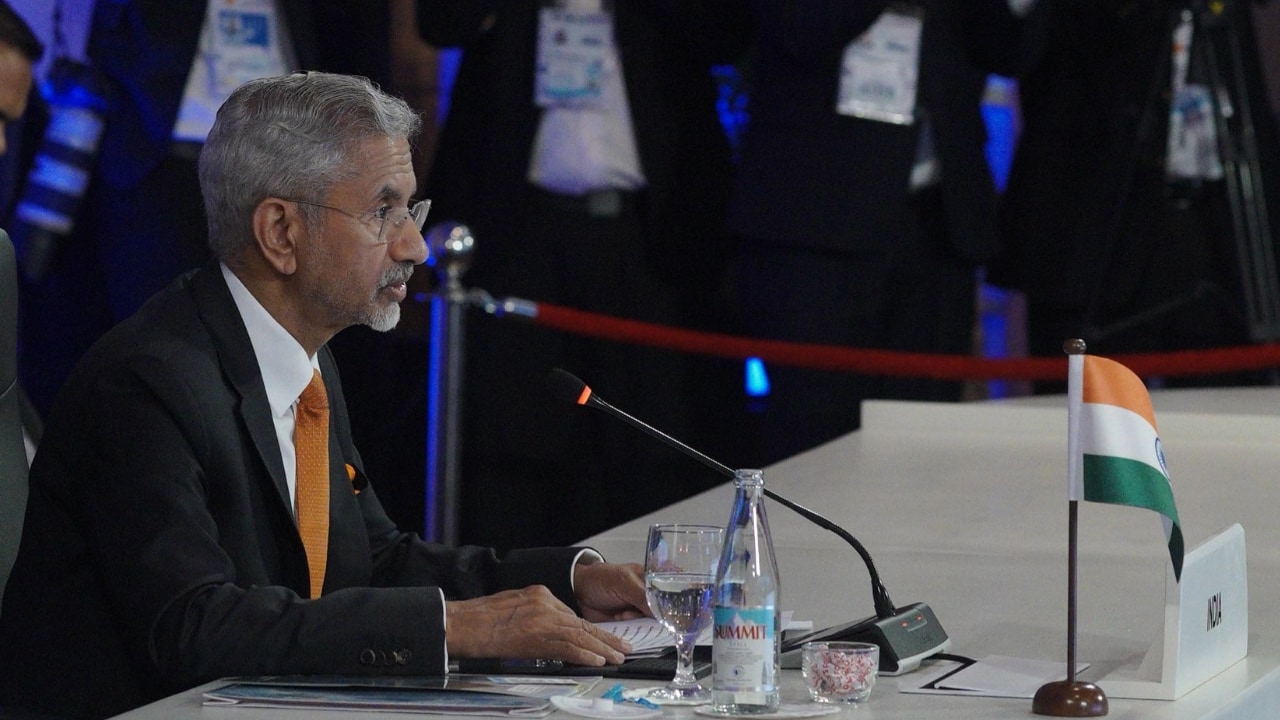
Iranian Foreign Minister Abbas Araghchi traveled to Muscat for further discussions with his Omani counterpart, while Qatari envoys met Tehran officials in Doha. Araghchi accused Washington of violating the interim deal by ending waivers that allowed Iran to sell oil in U.S. dollars, and reiterated that the strait must remain under Iranian jurisdiction, including the right to charge transit fees.
Potential Global Impact
If Iran retains de‑facto control over Hormuz, global energy supplies could face repeated disruptions, exacerbating inflationary pressures worldwide. The United States has advised commercial vessels to use a southern detour through Omani territorial waters, but that route remains vulnerable to the Revolutionary Guard’s growing naval presence.
Analytical Outlook
The renewed Trump‑Iran confrontation underscores how strategic waterways become bargaining chips in broader geopolitical contests. Mediation by smaller Gulf states such as Oman and Qatar may prove insufficient unless a durable, mutually‑acceptable framework is reached between Washington and Tehran.