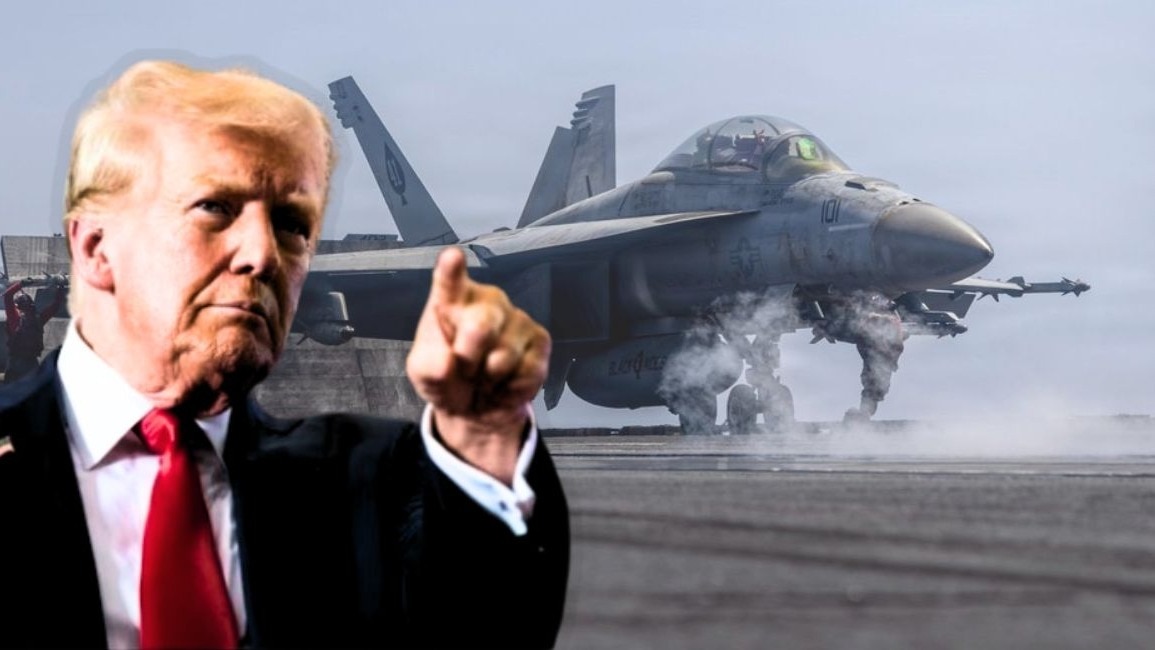
U.S. President Donald Trump warned that if Iran attempts an assassination, 1,000 ready‑to‑fire missiles will strike every part of the country. The statement comes amid escalating U.S.–Iran tensions and alleged Israeli intelligence sharing.
Key Takeaways
- Trump claims the U.S. has 1,000 locked‑and‑loaded missiles aimed at Iran.
- Any Iranian plot against him will trigger a full‑scale military response.
- The warning references alleged Israeli intelligence, but it remains unverified.
Washington, July 11, 2026 – President Donald Trump used his new social platform “Truth Social” to deliver a stark message: if Iran ever attempts to assassinate him, the United States will unleash 1,000 locked‑and‑loaded missiles to obliterate every region of the Islamic Republic. The threat arrives at a time when U.S.–Iran relations have reached a new fever pitch, following a series of recent military maneuvers that have eroded a fragile cease‑fire agreed upon in June.
Background and Current Stance
In June, both nations signed a temporary cease‑fire after a series of naval confrontations in the Persian Gulf. However, fresh intelligence allegedly supplied by Israel and heightened rhetoric from Tehran have reignited hostilities. Trump asserted that U.S. intelligence agencies have placed his name at the top of Iran’s “hit list,” prompting pre‑emptive military planning.
Military Readiness Details
According to Trump, “the orders have already been given” and the U.S. armed forces are “fully prepared, willing, and capable.” He described the arsenal as 1,000 missiles that are “locked and loaded,” meaning they stand ready for immediate launch. While such statements often serve as strategic pressure, no independent verification of an actual missile deployment has emerged.
Israel’s Involvement and Potential Ramifications
The president’s remarks cite Israeli intelligence as the source of the warning, suggesting a deepening U.S.–Israel coordination against Tehran. Yet, the authenticity of this intelligence remains unconfirmed, fueling debate among analysts. Experts warn that converting this verbal threat into kinetic action could destabilize the entire Middle East, potentially drawing regional allies into a broader conflict.
Looking Ahead
Diplomatic channels for a renewed U.S.–Iran dialogue remain technically open, but Trump’s aggressive posture may limit their effectiveness. Should either side favor military solutions over negotiation, we could witness a reshuffling of regional alliances and a surge in global oil prices, further complicating an already volatile geopolitical landscape.