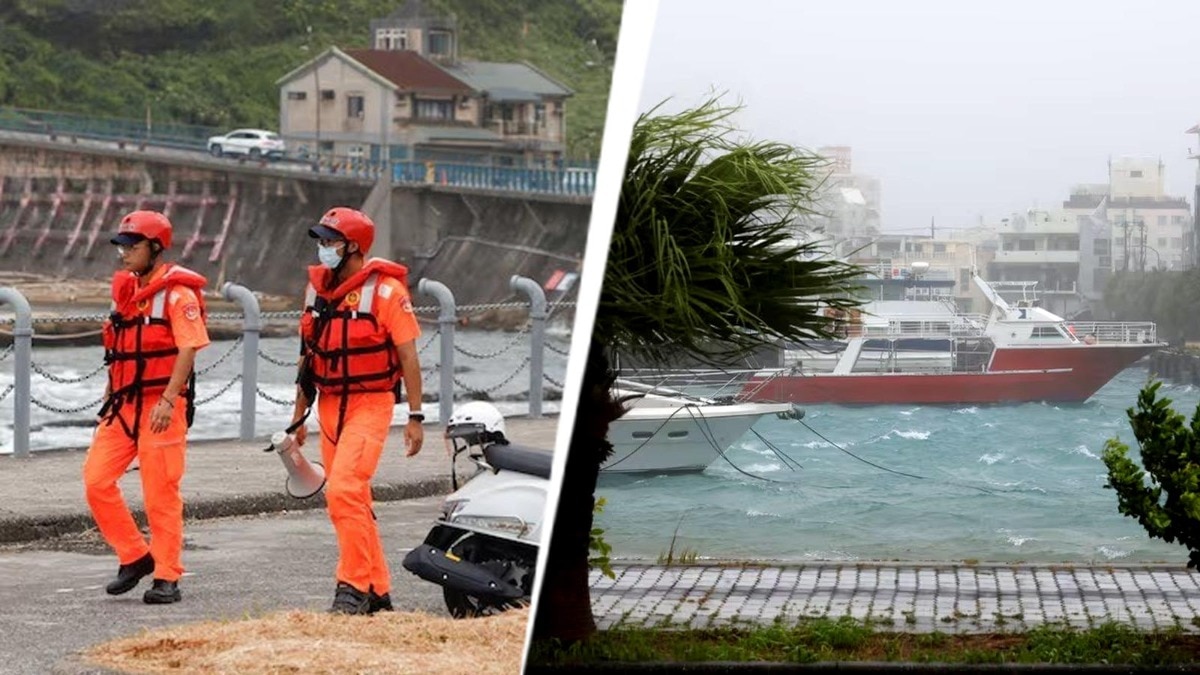
Typhoon Bavi has caused widespread disruption across Japan's southern islands, prompting Taiwan to evacuate thousands of residents in vulnerable coastal areas. The powerful storm has disrupted transport networks, knocked out power, and triggered severe weather warnings across the East China Sea region.
Key Takeaways
- Typhoon Bavi has caused major disruptions and power outages across Japan's southern islands.
- Taiwanese authorities have preemptively evacuated thousands from landslide-prone and low-lying areas.
- The storm has grounded flights, suspended ferry services, and caused extensive infrastructure damage.
- Meteorologists warn that the storm is intensifying as it tracks north toward the Korean Peninsula.
One of the most formidable tropical cyclones of the season, Typhoon Bavi, has left a trail of destruction across East Asia, battering Japan's southern islands and prompting emergency evacuations in Taiwan. Characterized by torrential downpours and fierce winds exceeding 150 km/h, the storm has paralyzed local infrastructure, disrupted critical transport networks, and triggered widespread flooding alerts across the East China Sea region.
Severe Impact and Infrastructure Damage in Japan
According to the Japan Meteorological Agency (JMA), the Okinawa prefecture and surrounding Ryukyu Islands bore the brunt of the typhoon's initial fury. The violent winds toppled power lines, leaving tens of thousands of households without electricity. Marine transport has been completely suspended due to towering sea waves, and major airlines have canceled dozens of flights connecting the islands to the mainland, leaving thousands of commuters stranded. Local authorities have urged residents to remain indoors and avoid coastal areas.
Taiwan's Proactive Response and Mass Evacuations
Anticipating the peripheral impact of the typhoon, Taiwan mobilized its disaster management agencies on a war footing. The Central Weather Bureau issued heavy rain and land-slide warnings for mountainous and low-lying coastal regions. In response, local governments successfully evacuated thousands of residents to temporary shelters. Emergency response teams and military personnel have been deployed to high-risk zones, showcasing Taiwan's robust disaster-preparedness protocols designed to minimize casualties during severe weather events.
Meteorological Trajectory and the Climate Connection
Meteorologists attribute the rapid intensification of Typhoon Bavi to unusually warm sea surface temperatures in the East China Sea. This thermal energy has fueled the storm's convective system, making its trajectory highly unpredictable. Current forecast models indicate that the typhoon is moving northward and is poised to make landfall on the Korean Peninsula, prompting both South and North Korea to issue high-level emergency alerts and brace for impact.
The Growing Threat of Climate-Induced Extreme Weather
Environmental scientists point out that the increasing frequency and severity of super typhoons like Bavi are stark indicators of global climate change. As greenhouse gas emissions continue to warm the world's oceans, tropical storms are gaining strength much faster than in previous decades. This evolving threat landscape demands that nations in the Asia-Pacific region transition from reactive disaster relief to proactive, climate-resilient urban planning and infrastructure development.