Senior U.S. officials have demanded that Iran publicly announce the Strait of Hormuz as open and refrain from attacking vessels. President Trump warned that a range of options remains if negotiations collapse, while internal power struggles in Tehran complicate the diplomatic path.
Key Takeaways
- Iran must publicly declare the Strait of Hormuz open
- The U.S. signals multiple options if talks break down
- Regional tension could ripple through global energy prices
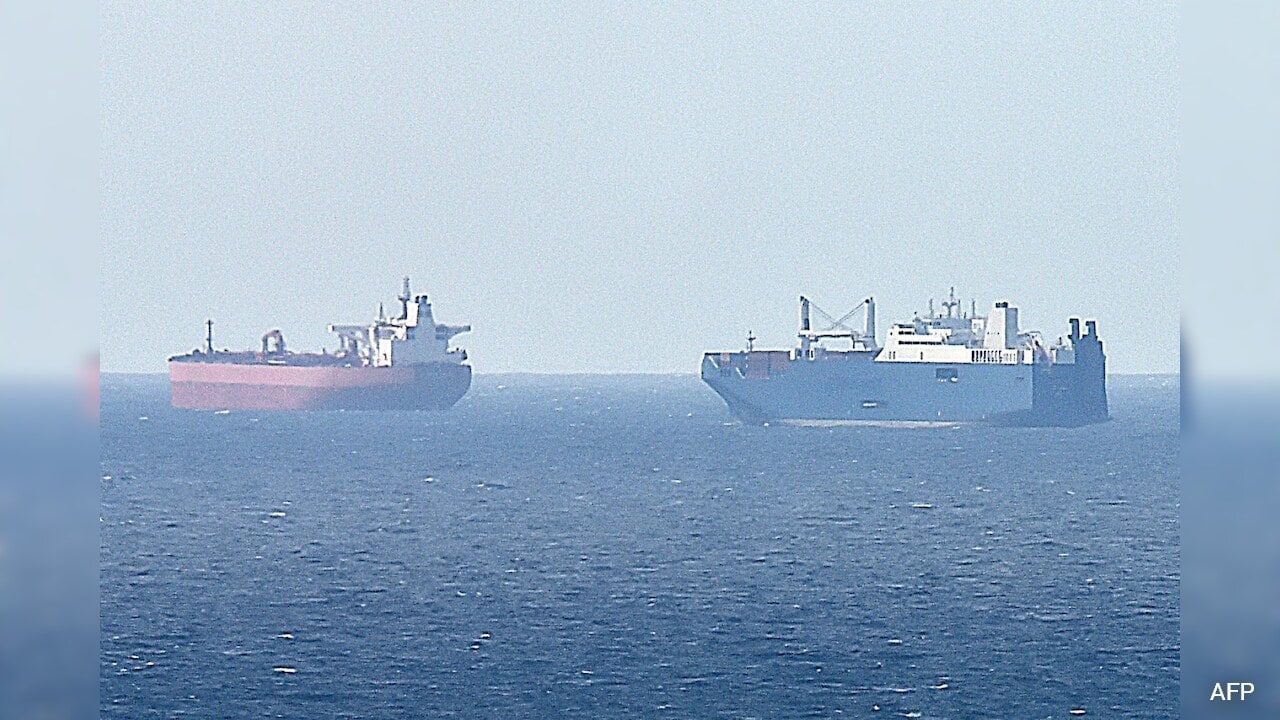
Washington officials told reporters on Friday that Iran is being pressed to issue an unequivocal statement confirming that the Strait of Hormuz – a chokepoint for roughly 20% of the world’s oil and gas trade – remains open and safe for navigation. The demand follows a series of unclaimed airstrikes on Iranian territory and a renewed flare‑up in Tehran‑Washington hostilities.
Strategic Importance and Historical Context
The Hormuz Strait has long been a flashpoint. Since the 1979 Iranian Revolution, the waterway has seen multiple confrontations, most recently during the 2026 U.S.–Iran war, when Tehran attempted to leverage the strait to choke global energy supplies, pushing crude prices to $120 a barrel. Prices have since retreated to the $70 range, but the market remains jittery.
Trump’s Hardline Stance and Tight Negotiation Window
President Donald Trump used his social‑media platform to declare the interim cease‑fire “OVER!” while emphasizing that the United States retains a “wide range of options” should diplomatic efforts falter. Sources close to the negotiations say Trump has given American envoys a narrow deadline, intensifying pressure on both sides to reach a deal.
Power Struggles Inside Tehran
Iran’s internal politics are in turmoil. Hard‑line factions, described by U.S. officials as a “rogue element,” are attempting to sabotage the cease‑fire, while more moderate officials seek to keep diplomatic channels open. Foreign Minister Abbas Araghchi is slated to discuss the strait with his Omani counterpart, whereas Iran’s UN ambassador Amir Saeid Iravani warned that any external attempt to dictate the strait’s status would breach the interim agreement.
Regional Reactions and Prospects
Gulf Arab states have remained largely silent on the recent strikes, but the United Arab Emirates and Kuwait have engaged in high‑level talks aimed at de‑escalation. Pakistan’s Prime Minister Shehbaz Sharif has also been mediating between Tehran, Doha and Washington. If Iran refuses the U.S. demand, the prospect of renewed American or Israeli military action could further destabilize an already volatile Middle East.