Three UN special rapporteurs have raised concerns over alleged discrimination against minorities during India's Special Intensive Revision (SIR) of electoral rolls, urging the government to provide a detailed response. The article explores the background, accusations, and possible international ramifications of the controversy.
Key Takeaways (मुख्य बिंदु)
- UN experts warn of potential discrimination in the SIR process
- Allegations of Bengali and Muslim voters being removed from rolls
- Call for government clarification and remedial actions
Three United Nations‑appointed special rapporteurs—Nicolas Levrat, Irene Khan and Nazila Ghanea—sent a formal letter to the Indian government on May 1, expressing deep concern over possible minority discrimination during the Election Commission’s Special Intensive Revision (SIR) of electoral rolls. The letter specifically cites allegations that Bengali and Muslim electors in West Bengal and Bihar were disproportionately targeted for name deletion.
Background of the SIR Exercise
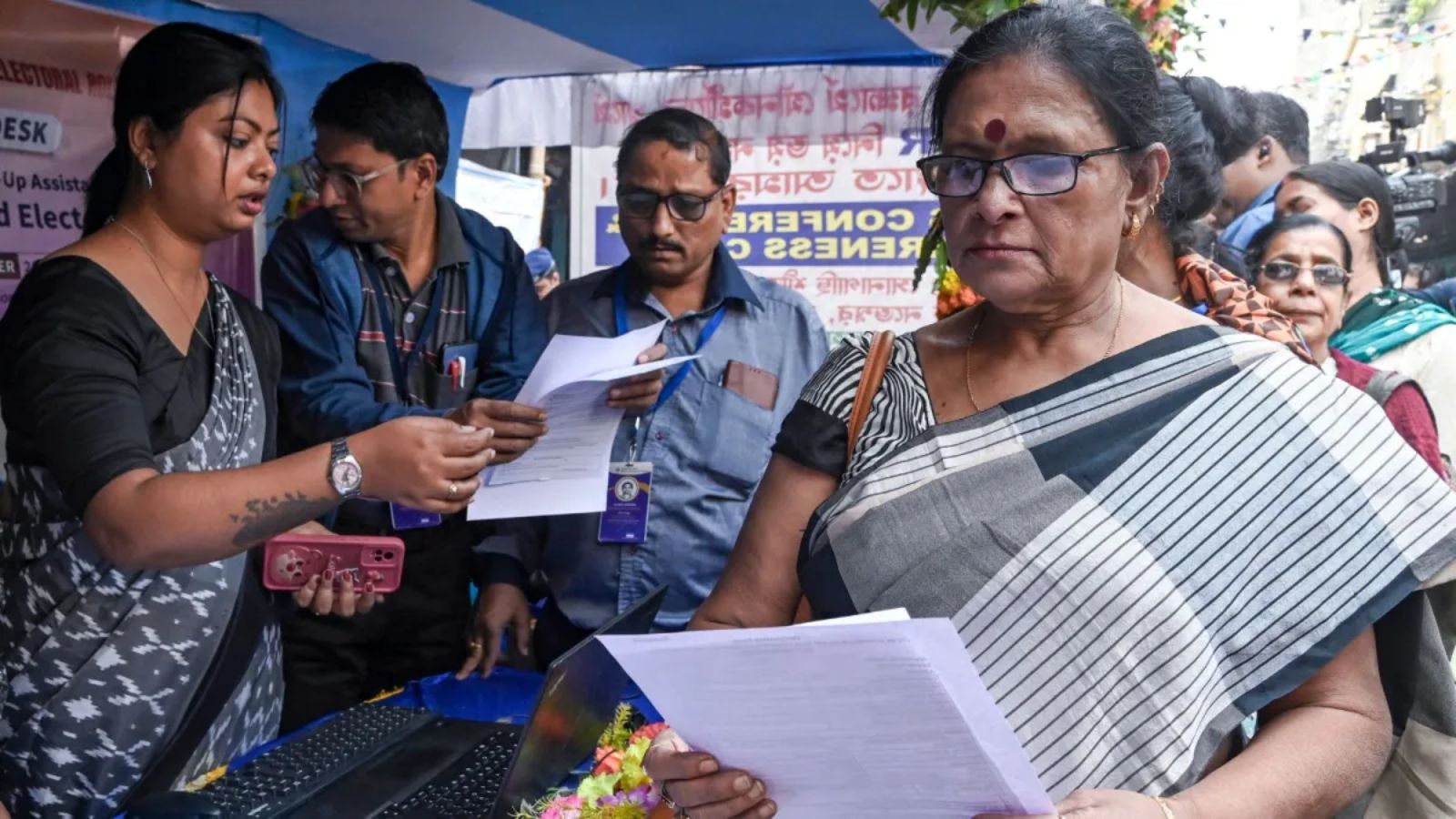
SIR, or Special Intensive Revision, is a periodic exercise intended to cleanse electoral rolls of duplicate, deceased or ineligible entries. In 2025‑2026, the Election Commission rolled out SIR across ten states and three union territories, resulting in millions of names being struck off. While the process is meant to enhance accuracy, past iterations have sparked legal challenges and public outcry, especially when Supreme Court directives triggered large‑scale deletions.
UN Concerns and International Law
The rapporteurs warned that the reported removal of “millions of voters’ names” could disproportionately affect Muslims and persons of Bengali descent, who are often labeled as “foreigners” or “illegal immigrants.” Such labeling conflicts with India’s obligations under the International Covenant on Civil and Political Rights (ICCPR), which the country ratified in 1979. The letter also flagged the use of an AI‑driven system to flag “irregularities,” raising questions about algorithmic bias and transparency.
Government Response and Ongoing Litigation
Emails sent to the Ministry of External Affairs and the Election Commission’s spokesperson have so far elicited no official reply. Meanwhile, affected voters have approached higher courts, and several cases are pending before election tribunals. An independent monitoring panel—comprising scholars like Prof. Neera Chandhoke, Dr. Thomas Daffern and Dr. Harish Karnick—has previously lodged complaints about the SIR’s implementation.
Implications for the 2026 Assembly Elections
If the alleged discriminatory practices persist, the 2026 state assembly polls could witness significant disenfranchisement, especially among Muslim and other minority communities. International human‑rights bodies may increase scrutiny, compelling India to demonstrate greater procedural fairness and adherence to its treaty commitments.