The United States has set a Saturday deadline for Iran to publicly renounce attacks on commercial vessels in the Strait of Hormuz, while President Trump declares the existing cease‑fire void. The move threatens to reshape global oil markets and regional diplomatic dynamics.
मुख्य बिंदु (Key Takeaways)
- U.S. imposes a Saturday deadline for Iran to stop attacks in the Strait of Hormuz.
- President Trump declares the recent cease‑fire ‘over’ but diplomatic channels remain open.
- The escalation could spike oil prices and destabilize regional security.
The Trump administration has warned Tehran that it must, by Saturday, publicly commit to ending all attacks on commercial shipping in the strategically vital Strait of Hormuz and affirm that the waterway will remain open to international trade. The ultimatum, reported by Axios from senior U.S. officials, reflects a hardening U.S. stance after President Donald Trump declared the recent U.S.–Iran cease‑fire “over.”
Strategic Importance of the Strait
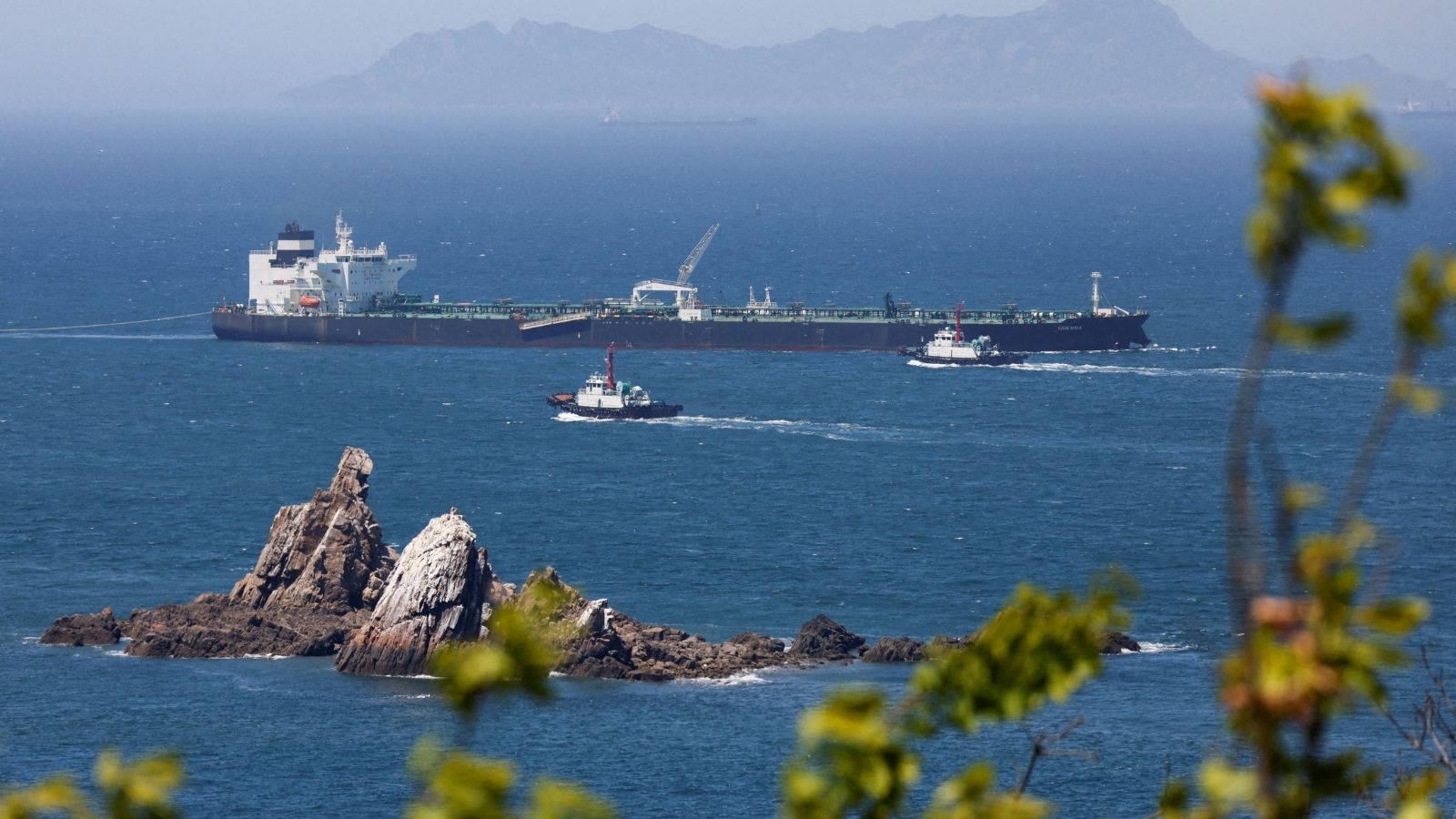
The Strait of Hormuz transports roughly one‑fifth of the world’s oil supply, making any disruption a flashpoint for global energy security. Nations dependent on Gulf crude—most notably India—face heightened economic risk whenever the passage is threatened. Recent Iranian attacks on merchant vessels have already pushed crude prices to their biggest weekly gain in eight weeks, underscoring the market’s sensitivity to security shocks.
Omani Mediation and the Muscat Meeting
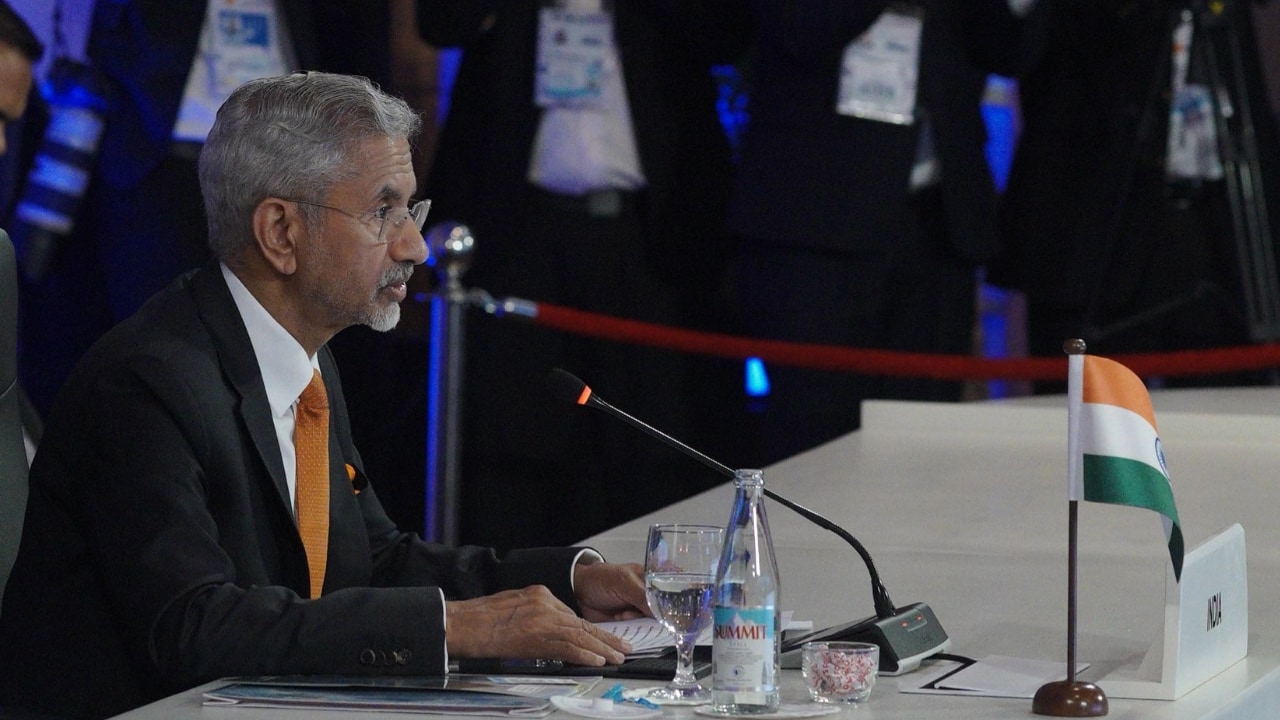
Saturday’s deadline coincides with a high‑profile meeting in Muscat, where Iranian Foreign Minister Abbas Araghchi is expected to sit down with Omani Foreign Minister Sayyid Badr al‑Busaidi. U.S. officials say the outcome will determine whether diplomacy can survive or the region will slide back toward open conflict. Washington anticipates a public Iranian statement immediately after the talks.
U.S. Demands and Possible Consequences
According to Axios, the United States wants Tehran to explicitly acknowledge that “all channels in the strait will be open and toll‑free” and to pledge to cease fire on commercial vessels. One senior official warned, “If it is not their position tomorrow, it is not going to be a great day for them,” implying swift punitive measures if Iran refuses.
Trump’s Rhetoric vs. Ongoing Dialogue
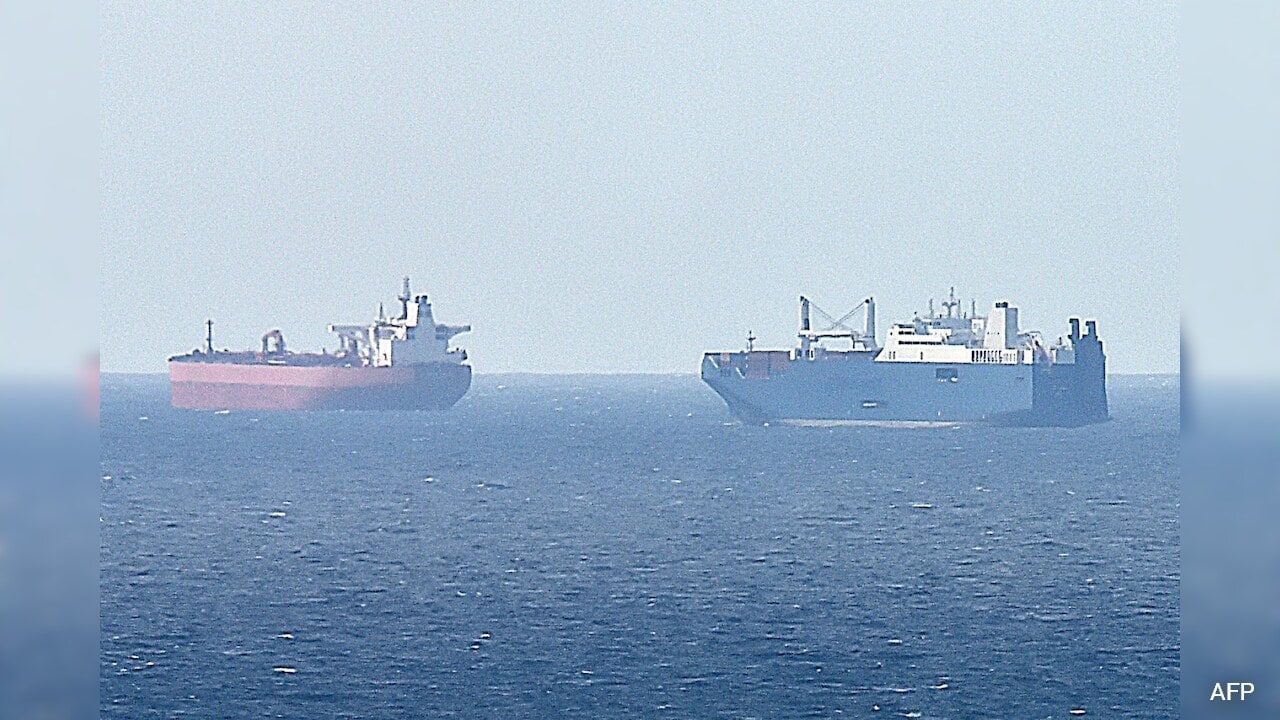
Despite the tough public posture, Trump affirmed on Truth Social that the United States will continue diplomatic contacts with Iran, even as he emphasized that the cease‑fire is “OVER.” The statement followed a series of exchanges in which Qatari‑ and Saudi‑linked tankers were struck, prompting U.S. strikes on Iranian positions and Iranian retaliation against U.S. assets in Gulf states.
Iran’s Response and Back‑Channel Efforts
Iran rejected the notion that it had sought renewed talks, with Foreign Ministry spokesperson Esmail Baghaei stating that Araghchi’s Oman visit will focus on maritime security, not a broader negotiation with Washington. Nonetheless, Axios reports that Iranian representatives have reached out to the U.S. after the clashes, saying, “We screwed up. Let’s keep talking.” Internal divisions within Tehran’s leadership—between hardliners favoring pressure tactics and pragmatists pushing for diplomacy—add further complexity.
As the world watches, the Saturday deadline could become a watershed moment for energy stability, regional peace, and the broader U.S.–Iran relationship.